

There is something incredibly special about walking through an agricultural fair. Maybe it’s the smell of fresh hay, the excitement of families discovering farm animals for the first time, or the pride that comes from seeing ribbons displayed beside vegetables, baked goods, flowers, and livestock that represent months of hard work. Whatever it is, agricultural fairs have a way of reminding us where our food comes from and why agriculture continues to matter.
Yesterday, during its final weekend, we spent the day visiting the Fredericksburg Agricultural Fair—the oldest agricultural fair in the United States. Every time we visit, I’m reminded that these fairs aren’t simply community events. They’re celebrations of agriculture, craftsmanship, education, and generations of tradition that continue to inspire people of every age.
As we walked through the fairgrounds, I found myself leaving not only with wonderful memories but with plenty of inspiration for next year.
Walking Through the Homemaking Exhibit
One of my favorite stops was the homemaking exhibit.

If you’ve never taken the time to slowly walk through these displays, you’re missing one of the hidden treasures of an agricultural fair.
Tables were filled with beautifully decorated cakes, homemade breads, cookies, jams, preserves, canned vegetables, quilts, sewing projects, artwork, photography, flowers, and countless examples of incredible craftsmanship. Every entry represented someone who took the time to learn a skill, practice it, and proudly share it with their community.
As someone who spends countless early mornings baking for our farmstand, I couldn’t help but imagine what it would be like to submit some of our own creations next year.
Standing there looking at the displays, I found myself thinking about our breads, cookies, muffins, vegetables from the garden, and even some of our flowers. It would be such a fun challenge to prepare entries and see how they compare.
Whether we bring home a ribbon or not almost doesn’t matter.
The opportunity to participate, learn from experienced judges, and become part of a tradition that has lasted for generations would be rewarding all on its own.
I have a feeling J & J Homestead may have a few entries at next year’s fair.
The Poultry and Rabbit Barn Is Always My Favorite
Of course, anyone who knows me probably won’t be surprised that my favorite building was the poultry and rabbit barn.
I could spend hours there.
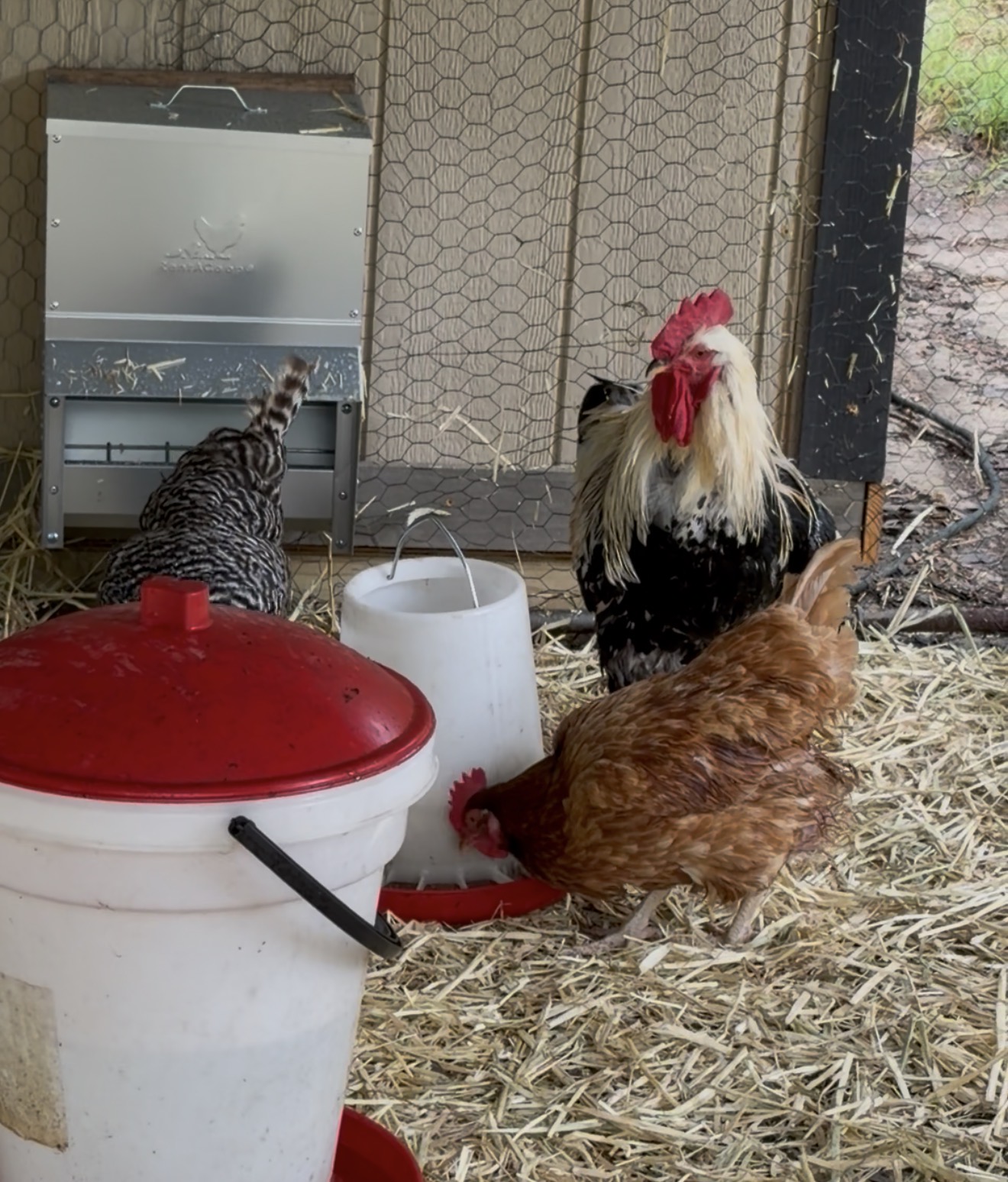
One of the things I enjoy most is seeing chicken breeds that I don’t normally come across in everyday life. Every breeder has something unique to share, and it’s fascinating to see the incredible diversity within the poultry world. Different feather patterns, comb types, body shapes, personalities, and colors all remind me just how remarkable chickens really are.
As someone who raises chickens here at J & J Homestead, I always leave with new ideas, new appreciation for different breeds, and usually a growing list of breeds I’d love to add someday.
Then there are the rabbits.
I’ve always had a special place in my heart for rabbits, especially the giant breeds.
There is something almost magical about seeing these gentle giants stretched out comfortably in their pens. Their calm personalities, enormous ears, and impressive size never fail to make me smile. Even after spending plenty of time around animals on our own homestead, I still find myself stopping to admire every single one.

Visiting the poultry and rabbit barn always feels like reconnecting with the parts of agriculture that first sparked my curiosity.
Every Fair Changes a Little
One thing we noticed this year was that there weren’t quite as many of the larger livestock exhibits as we’ve seen in previous years. We also noticed there weren’t any pigs on display.
Every fair evolves from year to year depending on participation, exhibitors, and changing agricultural trends.
Even so, seeing cattle, sheep, goats, poultry, rabbits, and other livestock always helps visitors—especially children—develop a better understanding of agriculture and animal husbandry. Every exhibit provides an opportunity to ask questions, learn from experienced producers, and gain a deeper appreciation for the work that goes into raising healthy animals.
Why Agricultural Fairs Matter More Than Ever
In today’s world, many people are several generations removed from farming.
For countless children, an agricultural fair may be the very first time they’ve ever seen a chicken up close, watched a rabbit being judged, talked with a beekeeper, or learned that vegetables don’t simply appear on grocery store shelves.
That’s why these fairs are so important.
Agricultural fairs create connections.
They connect consumers with farmers.
They connect children with agriculture.
They connect experienced producers with beginners who are eager to learn.
They create conversations that simply don’t happen anywhere else.
Every exhibitor has a story to tell, and every ribbon hanging beside a display represents dedication, patience, and countless hours of work.
These events also encourage the next generation of agricultural leaders.
Young people participating through organizations like 4-H and FFA learn responsibility, animal care, public speaking, record keeping, financial management, and leadership. Those experiences often shape future veterinarians, farmers, educators, scientists, and agricultural entrepreneurs.
Even for those who never pursue agriculture professionally, they leave with a greater appreciation for the people who feed our communities.
Celebrating Skills That Keep Homesteading Alive
One thing I especially appreciate about agricultural fairs is that they celebrate skills that are becoming increasingly rare.
Baking from scratch.
Growing vegetables.
Preserving food.
Sewing.
Flower arranging.
Woodworking.
Photography.
Animal husbandry.
These aren’t simply hobbies.
They’re practical skills that have sustained families for generations, and they’re just as valuable today as they were decades ago.
As homesteaders, these are many of the same skills we practice every week here at J & J Homestead. Seeing hundreds of people proudly displaying their work reminds me that these traditions are still alive and well.
Already Looking Forward to Next Year
As we drove home yesterday, my mind was already racing with ideas.
Which vegetables might be ready for judging?
Which breads should I perfect over the coming months?
Could our cookies earn a ribbon?
Which flowers should we grow specifically for competition?
It’s amazing how one afternoon at the fair can spark so much motivation.
Whether we end up earning a ribbon or simply enjoy participating, I’m excited to become part of something that has inspired generations of Virginians.
Final Thoughts
The Fredericksburg Agricultural Fair is far more than rides, games, and fair food.
It is a celebration of agriculture, community, education, and craftsmanship. It reminds us that behind every loaf of bread, every fresh tomato, every bouquet of flowers, and every healthy animal is someone who invested time, knowledge, and heart into producing it.
As agriculture continues to evolve, fairs like this remain an important bridge between farmers and the communities they serve. They preserve traditions, inspire future generations, and remind all of us why supporting local agriculture matters.
Yesterday left me feeling inspired, grateful, and already looking forward to next summer.
And if everything goes according to plan, you just might find a few entries from J & J Homestead proudly displayed in the homemaking building next year.


Leave a Reply