
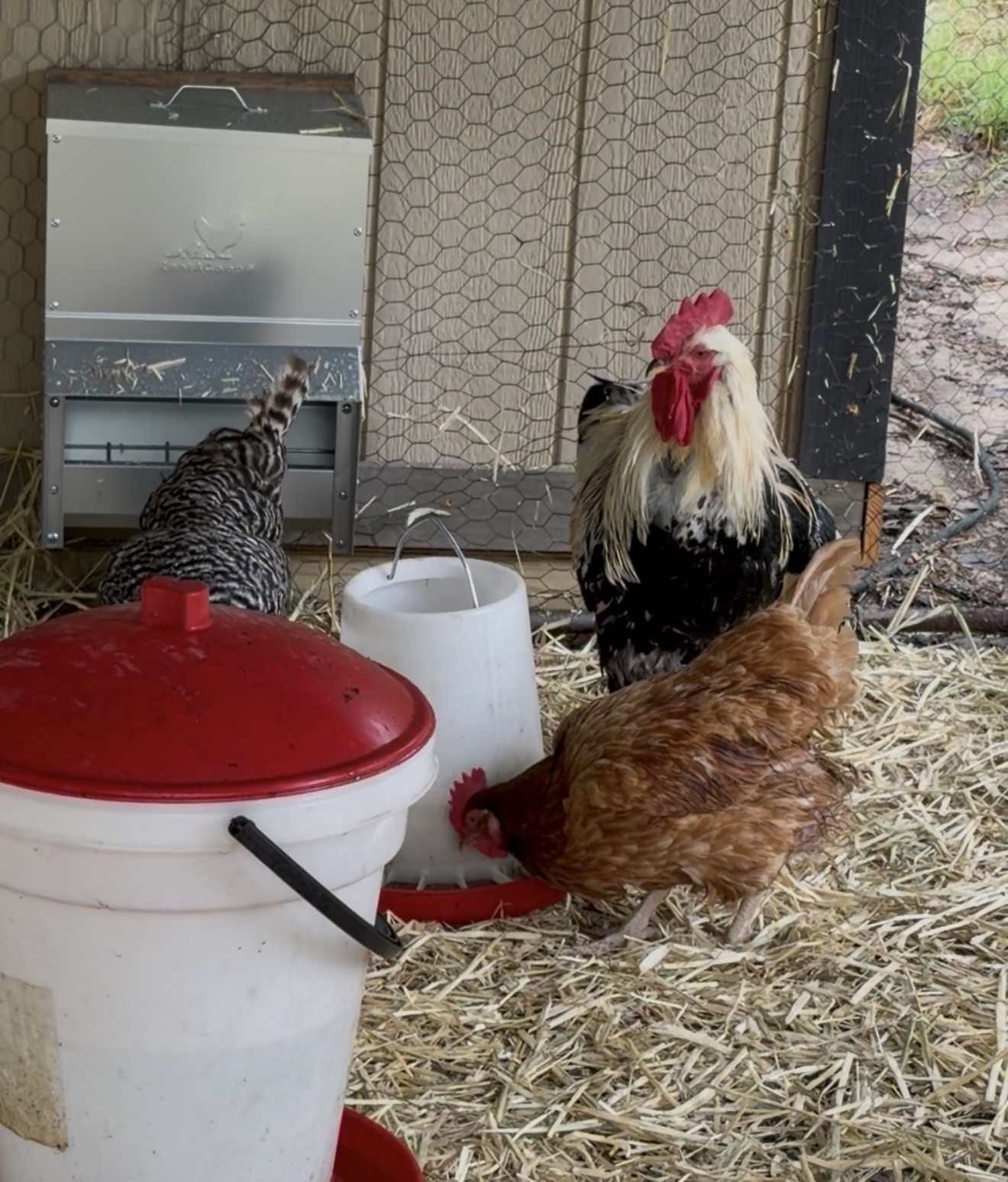
There are moments in homesteading when your plans change in an instant.
Today was one of those days.
We brought home three chickens that were being rehomed—one rooster and two hens. Now, believe me, we were not looking to add another rooster to the homestead. Between our existing flock and everything else we have going on, another rooster certainly wasn’t on our wish list.
But sometimes doing what’s right doesn’t always line up with what was originally planned. These birds needed a safe place to go, and thankfully, we had the room to give them one.
Every New Chicken Deserves a Careful Start
Although picking them up only took a few minutes, we had already planned exactly what would happen once they arrived here at J & J Homestead.
One of the biggest mistakes new chicken keepers can make is introducing new birds directly into an established flock. No matter how healthy a chicken appears, every new arrival should be treated as though it could be carrying parasites or disease until proven otherwise.
This is simply good flock management.
Protecting the health of the birds already living here has to come first.
Biosecurity Comes Before Friendship
The first stop for our new arrivals wasn’t the main chicken yard.
Instead, they went directly into their own separate coop and run where they will remain in quarantine while we evaluate their health.
Biosecurity is one of the most important responsibilities we have as poultry keepers.
Any new bird—even one coming from a trusted friend—can unknowingly introduce external parasites, internal parasites, or infectious diseases into an otherwise healthy flock. A proper quarantine period gives you time to observe eating habits, droppings, energy levels, breathing, feather condition, and overall behavior before making any decisions about integration.
This extra patience can save an entire flock from unnecessary illness.
First Observations
Because we know very little about these chickens’ history, we immediately began looking them over from head to toe.
Almost immediately, we noticed a few things that made us suspect they may have some underlying health issues. Rather than waiting to see if problems became worse, we decided to be proactive.
Each bird received a thorough treatment with mite spray to eliminate any external parasites that might be hitching a ride into the homestead.
Fresh water was provided immediately, and we started them on a five-day course of CORID® because we’re concerned coccidiosis may be a possibility. Since stress from moving can make chickens more vulnerable to illness, making sure they stay well hydrated and have constant access to clean water is especially important during these first few days.
We’re also suspicious that internal worms may be part of the picture.
Once the CORID treatment is complete, our next step will be to begin an appropriate deworming protocol. We don’t like stacking treatments unnecessarily, so we’re taking things one step at a time while carefully monitoring how each bird responds.
Throughout the entire process, they’ll continue to have everything they need—plenty of quality feed, clean water, fresh bedding, adequate space, shade, and lots of daily observation.
Sometimes, good animal care isn’t about doing everything at once. It’s about doing the right thing at the right time.
The Beginning of Their Second Chance
One of my favorite parts of homesteading is seeing animals thrive after they’ve been given another opportunity.
Will these three become permanent members of the flock?
Will they settle in well?
Will the rooster earn his place?
Only time will tell.
For now, our focus is simple: give them the very best care possible while protecting the health of the rest of our flock. That’s what responsible chicken keeping looks like.
Sometimes rescue isn’t glamorous.
Sometimes it looks like quarantine pens, fresh bedding, medications, careful observation, and a lot of patience.
But every healthy flock starts with good biosecurity and thoughtful management.
This is only the first chapter of their story here at J & J Homestead, and we’re excited to see where the journey leads.
Stay tuned—we’ll continue sharing updates as these three settle into their new home, and hopefully we’ll have some great progress to report in the weeks ahead.

Leave a Reply