

When people think about homesteading skills, they usually think about gardening, raising chickens, preserving food, baking bread, keeping bees, or learning how to process meat birds.
And yes, those skills matter.
But after years of building this life, I am convinced that the number one most underrated skill in homesteading is this:
Learning how to adapt.
Not everything goes according to plan on a homestead. Actually, most things do not go exactly according to plan. The weather shifts. Animals get sick. Gardens surprise you. Equipment breaks. Farmstand weekends are slower than expected. A recipe fails. A predator shows up. A chicken finds a new way to create chaos before you have even finished your first cup of coffee.
Homesteading teaches you quickly that you can either get discouraged when plans change, or you can learn to adjust.
And that ability to adapt may be the skill that keeps the whole thing going.
Homesteading Requires Flexibility
There is a certain beauty in planning. We plan gardens, baking schedules, poultry runs, farmstand weekends, beehive checks, preservation days, and seasonal projects.
But homesteading has a way of reminding us that nature does not always check the calendar.
A rainy weekend may slow down farmstand traffic. Instead of seeing that as a failure, it can become a baking weekend. A chance to restock cookies, breads, muffins, and other treats so the stand can stay open during the week.
An oven breaking in the middle of baking season may feel like a disaster. But it can also become a lesson in patience, problem-solving, and learning how to work differently until a solution comes.
A garden may produce more zucchini than expected and not enough tomatoes. Suddenly, the plan changes. You adjust the farmstand display, change what you bake, preserve what you can, and learn from the season.
That is homesteading.
It is not about everything going smoothly. It is about learning how to move with the life you are building.
Animals Will Teach You to Adapt Quickly
If there is one area of homesteading that demands flexibility, it is livestock.
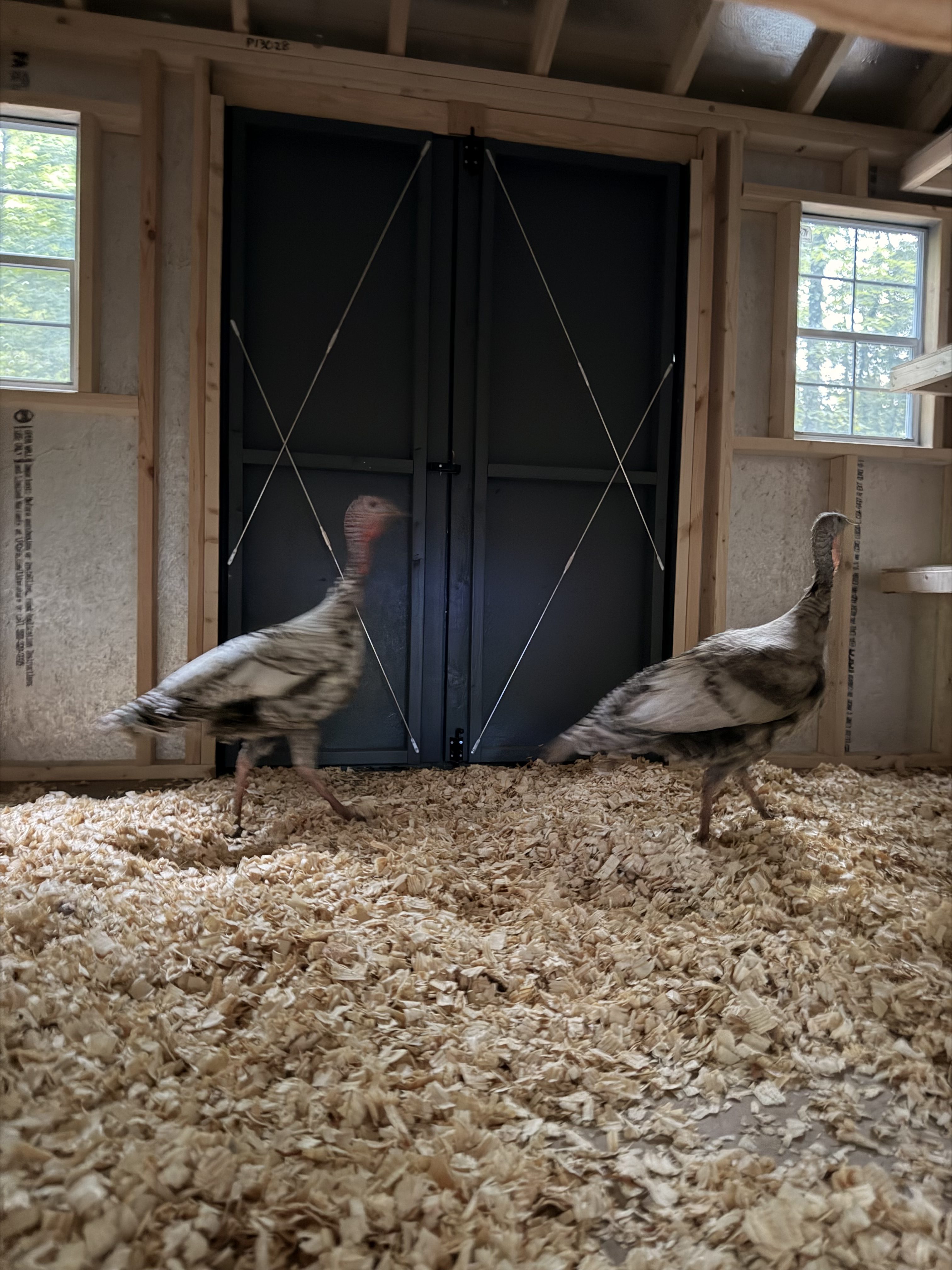
Chickens, turkeys, bees, and other animals do not operate on our preferred schedule. They need care when they need care. Sometimes that means catching an injury early. Sometimes it means separating a bird from the flock. Sometimes it means changing feed, adding shade, managing heat, or adjusting bedding before winter.
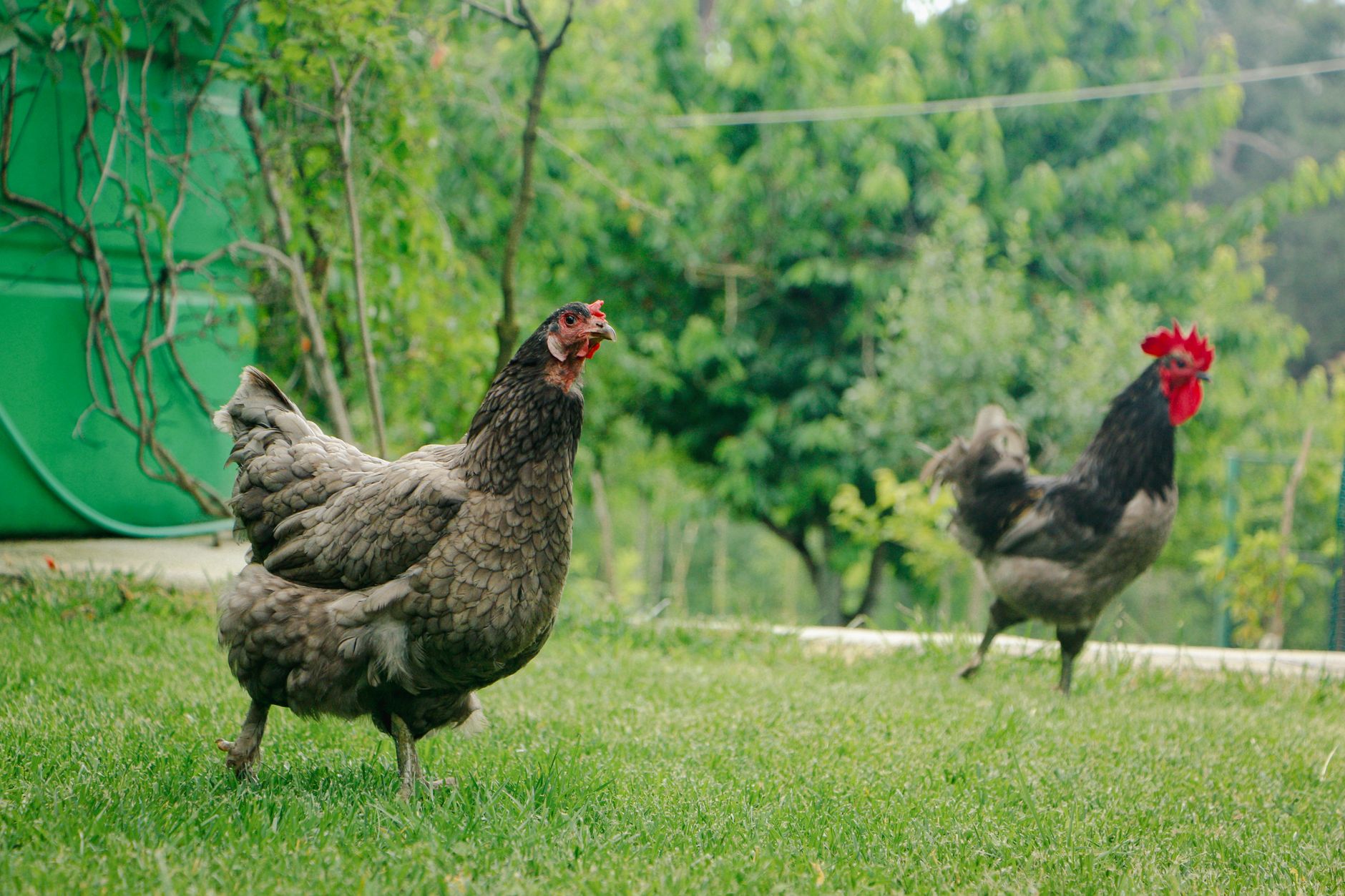
Chickens are especially good teachers.
They can be hardy, funny, productive, and surprisingly resilient. But they can also hide illness, pick on each other, slow down egg production, molt at inconvenient times, or suddenly decide that one flock member no longer belongs.
Turkeys bring their own lessons. Bees bring theirs. Every animal on the homestead teaches observation, patience, and adjustment.
You learn to notice small changes. You learn to respond instead of panic. You learn that the best plan is often the one you are willing to change.
The Garden Does Not Care About Your Spreadsheet
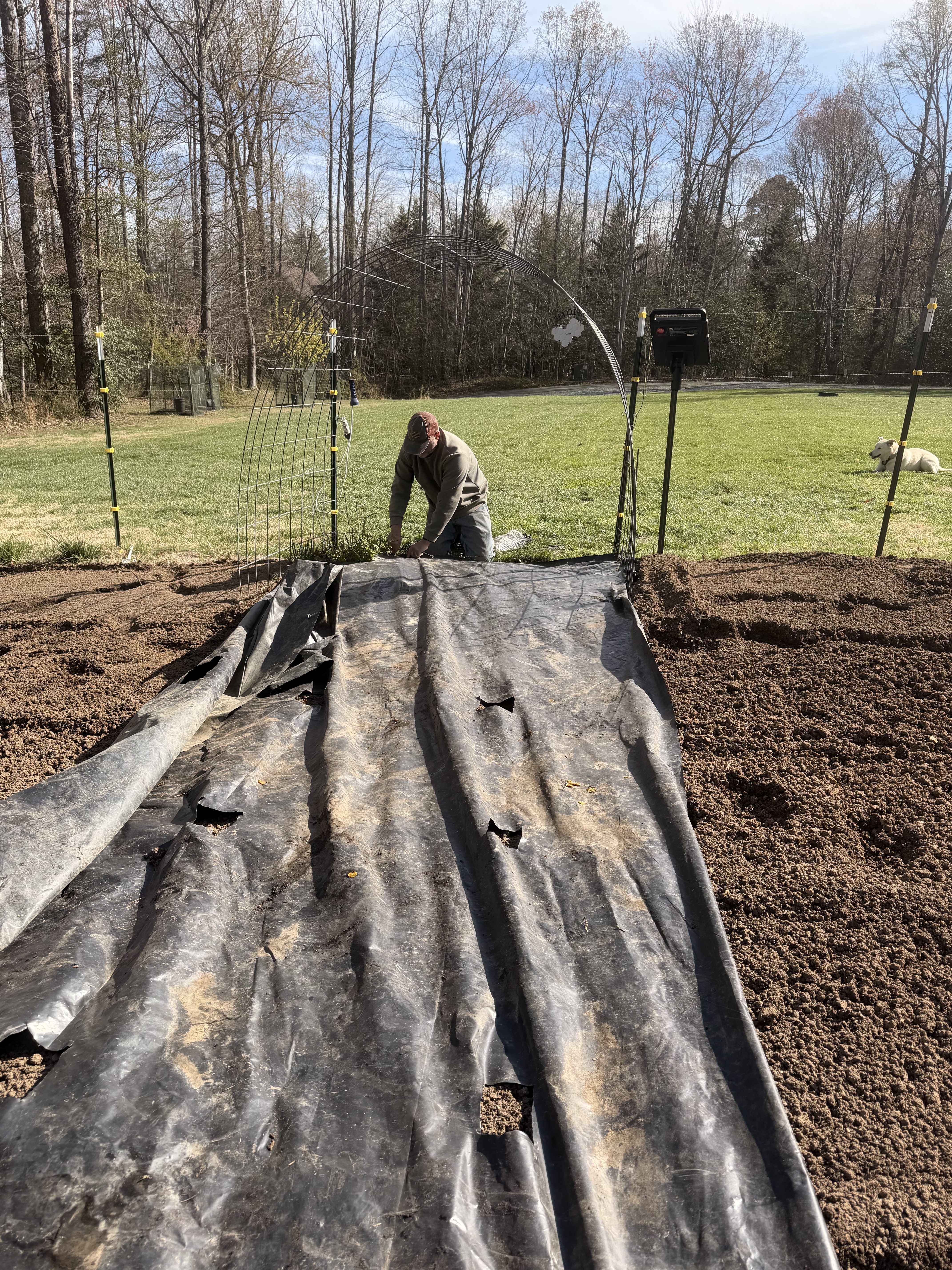
Garden planning is one of the most hopeful parts of homesteading.
You start with seed packets, sketches, planting dates, and big dreams. You imagine beautiful rows, full baskets, and a perfectly timed harvest.
Then the season begins.
Some plants thrive. Some struggle. Some get eaten. Some produce all at once. Some take forever. Some surprise you completely.
This is where adaptability becomes essential.
A good homesteader learns to ask:
- What is working this year?
- What needs more support?
- What should we plant differently next season?
- What can we preserve now?
- What can we sell, bake with, freeze, dehydrate, or share?
The garden is never just about growing food. It is about learning from the season you are actually having, not the one you imagined back in February.
Farmstand Life Depends on Adaptability
Running a farmstand adds another layer to homesteading because now the homestead meets the public.
You can bake, harvest, label, package, clean, stock, and decorate beautifully, and then the weather changes everything.
Rainy weekends are slow. Hot weekends are hard. Holidays bring inspiration. A customer favorite may sell out faster than expected. A new item may surprise you. A quiet day may become the perfect chance to restock, rethink, or prepare for the week ahead.
That is why adaptability matters so much.
A farmstand is not just about selling what you grow or bake. It is about paying attention to your customers, your schedule, your energy, your seasons, and your capacity.
Sometimes success looks like a busy weekend.
Sometimes success looks like using a slow weekend wisely.
Sometimes success looks like closing for a little while so you can come back stronger.
Adaptability Builds Confidence
One of the most beautiful parts of homesteading is realizing how capable you have become.
At first, everything feels new. You research constantly. You second-guess yourself. You wonder if you are doing enough, learning fast enough, or making the right choices.
Then, slowly, something changes.
You start solving problems you used to be afraid of. You recognize patterns. You know when a chicken looks off. You know when the garden needs water. You know when the bees need attention. You know how to shift a baking schedule, adjust a farmstand plan, or make use of what the season gives you.
That confidence does not come from everything going perfectly.
It comes from all the times things did not go perfectly, and you figured it out anyway.
Homesteading Is a Constant Lesson in Letting Go
There is a lot of humility in this life.
You can do your best and still lose plants. You can care deeply and still lose animals. You can prepare carefully and still face setbacks.
But homesteading also teaches that a setback is not the same thing as failure.
Sometimes it is information.
Sometimes it is redirection.
Sometimes it is simply part of the season.
The most successful homesteaders are not the ones who never struggle. They are the ones who keep learning, keep adjusting, and keep showing up.
The Real Skill Is Problem-Solving With Grace
Adaptability is really a combination of many smaller skills.
It includes observation, patience, creativity, flexibility, and resilience. It is knowing when to push forward and when to pause. It is knowing when to try again, when to change direction, and when to accept that the homestead has its own rhythm.
It is baking on a rainy weekend because the farmstand was slow.
It is changing the setup when the animals need something different.
It is learning from the garden instead of fighting it.
It is making a new plan when the old one falls apart.
That is the quiet skill behind so much of homesteading.
Final Thoughts
Homesteading is full of practical skills, but the most underrated one may be the ability to adapt.
Because this life will always change. The weather will shift. The animals will surprise you. The garden will teach you. The farmstand will have busy weekends and slow ones. Your plans will stretch, bend, and sometimes break.
But each time you adjust, you become stronger.
You become more capable.
You become more connected to the life you are building.
And maybe that is one of the greatest lessons homesteading has to offer: we do not have to have everything figured out from the beginning. We just have to keep learning, keep adapting, and keep growing right alongside the homestead.


Leave a Reply