
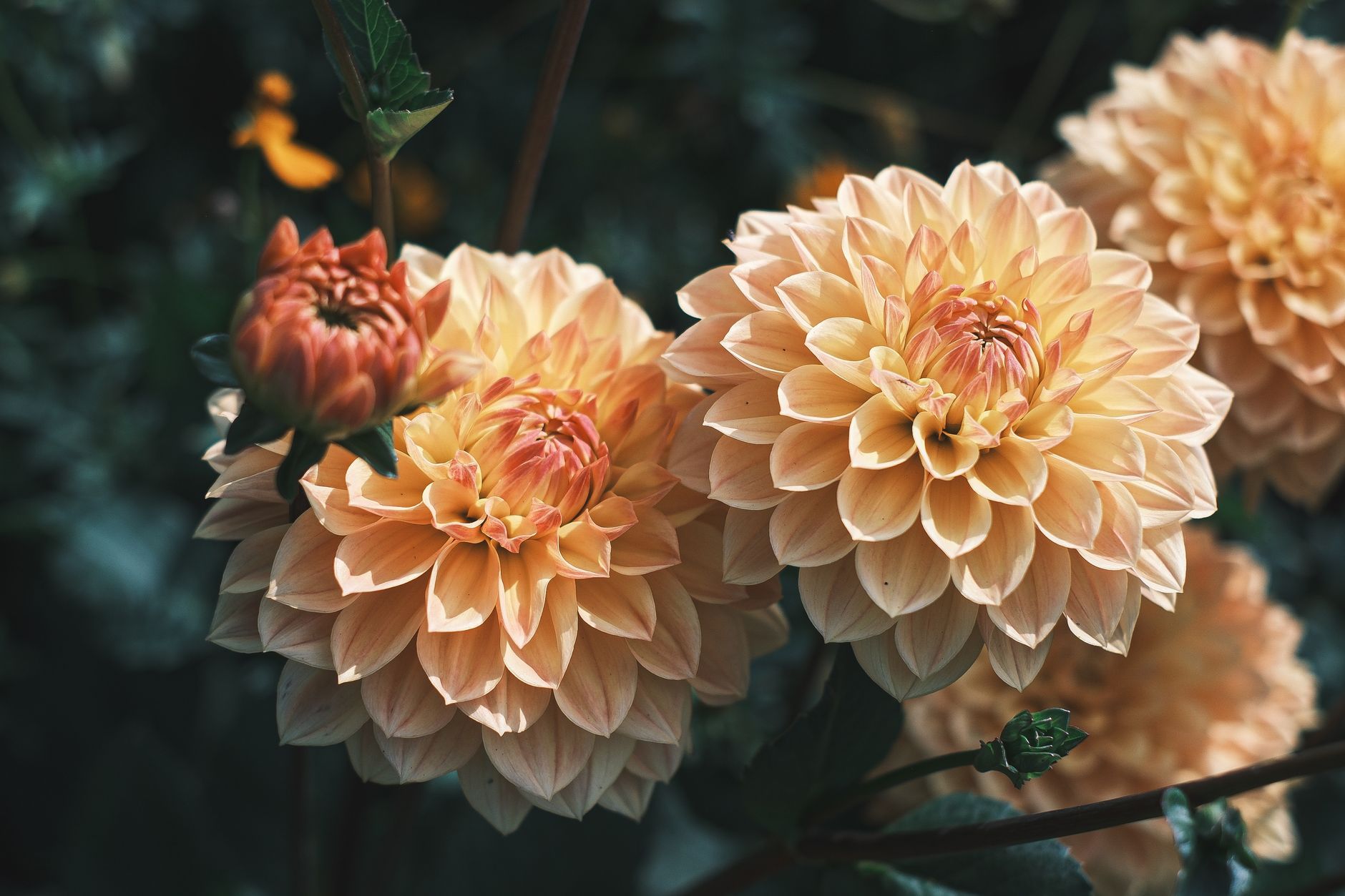
One of the things that I love most about running J & J Homestead is that there is always an opportunity to grow, try something new, and find another way to share what we love with our community.
As we begin looking ahead to the 2027 growing season, I am already dreaming about our next adventure — growing fresh-cut flowers for the farmstand!
While we will continue growing vegetables, raising our chickens, caring for our honeybees, and baking homemade treats, I would love to give our customers the opportunity to bring home a little bit of beauty, too.
Two flowers that I am particularly excited about growing are dahlias and zinnias. Both offer incredible colors, beautiful blooms, and the potential to provide fresh-cut flower bouquets throughout the summer and fall.
But, as with most things on the homestead, the planning begins long before the growing season!
Why Grow Dahlias and Zinnias for a Farmstand?
When selecting flowers for a small-scale cut flower garden, I wanted to focus on varieties that are productive, offer a wide range of colors, and complement one another throughout the growing season.
Dahlias and zinnias offer several advantages:
- A wide variety of colors, shapes, and sizes.
- Long flowering seasons.
- Excellent potential for fresh-cut bouquets.
- The ability to produce multiple blooms throughout the season.
- Opportunities to create seasonal flower arrangements.
- Flowers that attract pollinators to the garden.
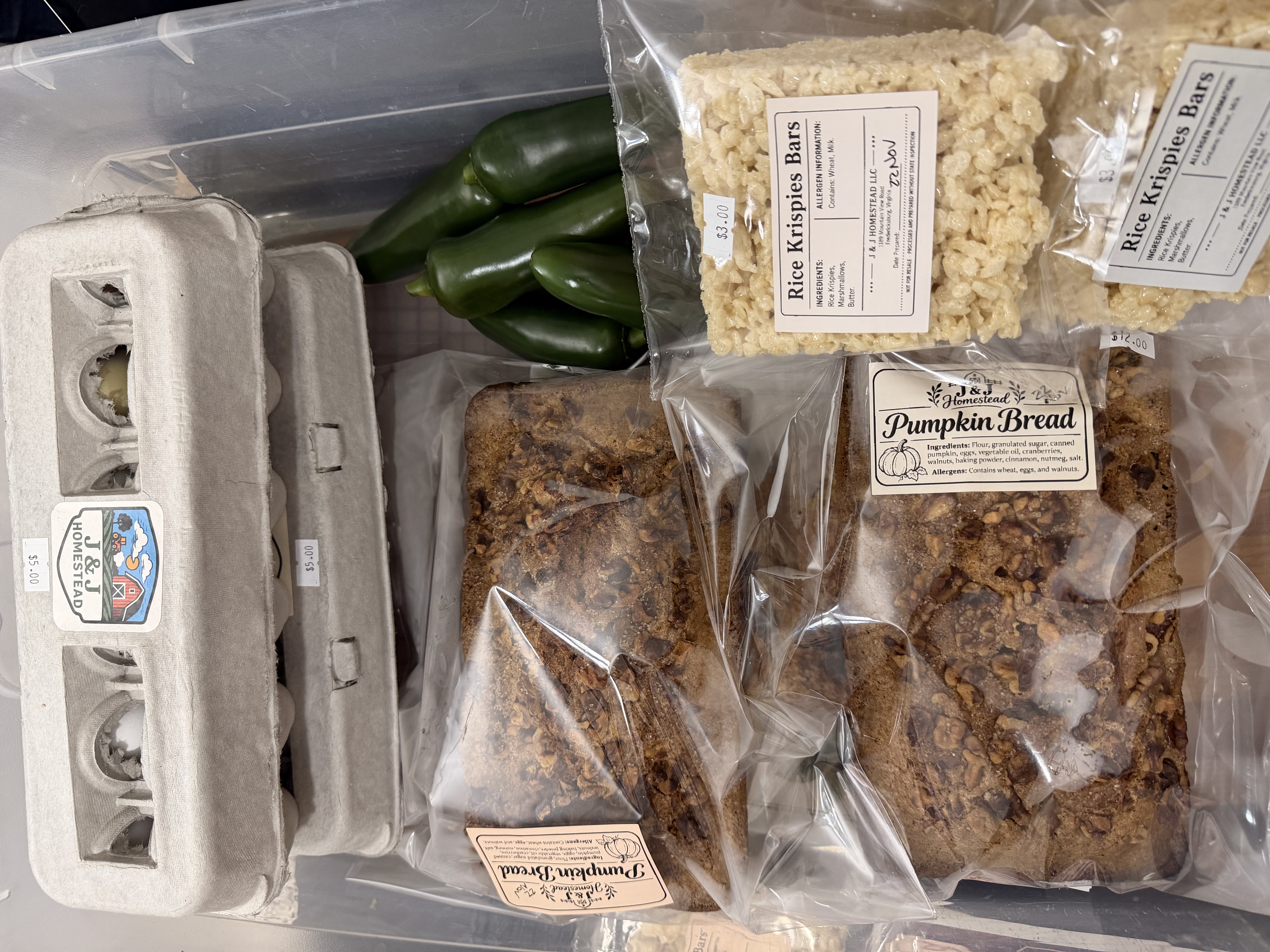
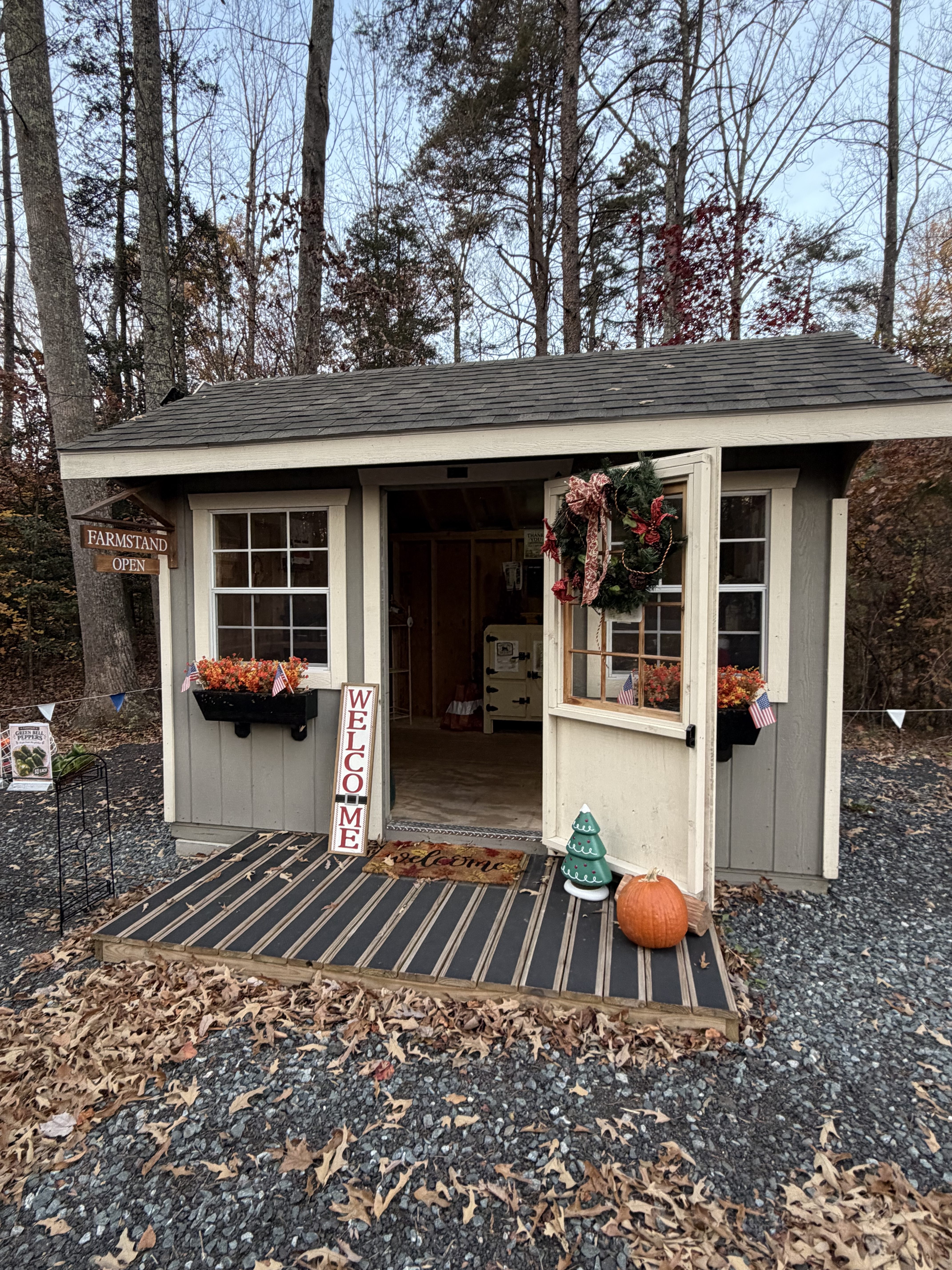
I can already imagine colorful summer bouquets sitting alongside our fresh vegetables and beautiful autumn arrangements displayed next to our homemade pumpkin bread and other seasonal baked goods!
When to Order Dahlia Tubers
Although dahlias are often referred to as bulbs, they actually grow from tubers.
One of the first things that I have learned about growing dahlias is that you don’t necessarily want to wait until spring to purchase them. Many specialty dahlia growers begin selling their tubers during the late fall and winter months, and popular varieties can sell out surprisingly quickly.
For our growing zone in Stafford, Virginia (USDA Zone 7b), I plan to begin ordering dahlia tubers between November and February. Many suppliers accept orders during the winter and ship the tubers in the spring when planting season approaches.
Some of the varieties that I am considering include:
- Cornel Bronze: Beautiful copper and bronze tones that are perfect for autumn bouquets.
- Jowey Nicky: Soft peach and dusty rose blooms.
- Café au Lait: Large, elegant flowers in creamy, blush-colored tones.
- Linda’s Baby: Beautiful peachy-pink ball-shaped flowers.
- Ivanetti: Rich burgundy and purple blooms.
While the enormous dinnerplate dahlias are absolutely stunning, I plan to focus primarily on ball and decorative dahlias because their size and shape make them particularly well suited for bouquets.
When to Plant Dahlias in Zone 7b
Dahlias are sensitive to frost and should not be planted outdoors until the danger of frost has passed and the soil has warmed to approximately 60°F.
Here in Virginia, I am targeting early to mid-May for outdoor planting, depending on the weather.
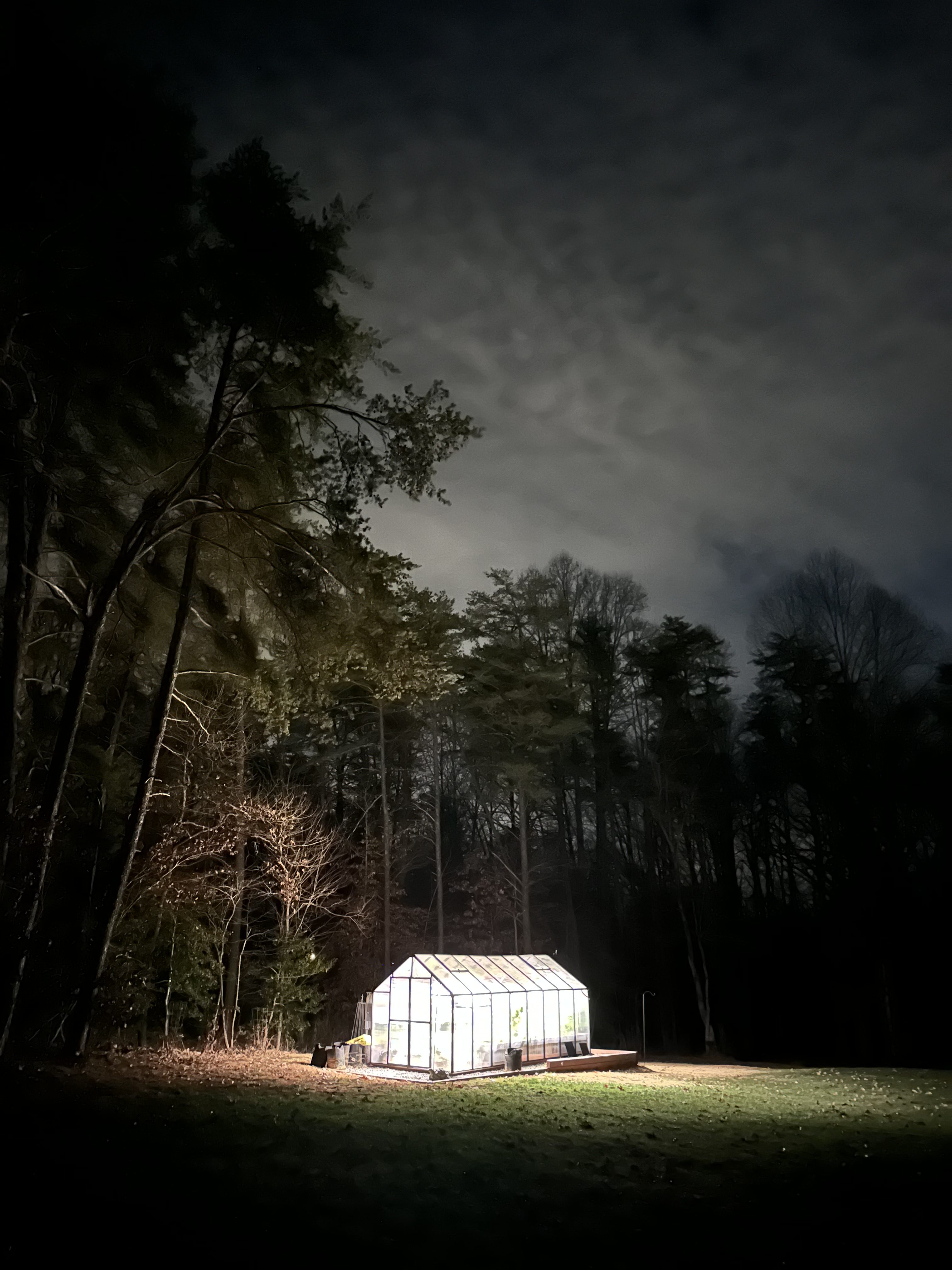
One of the benefits of having our greenhouse is that I can potentially get a head start by potting up some of our tubers in April, provided I can protect them from freezing temperatures.
Dahlia Growing Requirements
| Growing requirement | Recommendation |
|---|---|
| Sunlight | 6–8 hours of direct sunlight |
| Soil | Fertile, well-draining soil |
| Planting depth | 4–6 inches |
| Plant spacing | 18–24 inches |
| Outdoor planting | Early to mid-May |
| Support | Stakes or flower support netting |
| Estimated blooming season | July through the first fall frost |
Dahlias also benefit from pinching the growing tip when the plants are approximately 12 inches tall and have several sets of leaves. This encourages branching, which can result in more flower-producing stems.
Another important consideration is watering. Newly planted tubers are susceptible to rot, particularly in cold, wet soil, so it is important not to overwater them before they begin sprouting.
Why Zinnias Are Perfect for a Cut Flower Garden
If dahlias are going to be our premium flowers, I am hoping that zinnias will become the hardworking foundation of our cut flower garden.
Zinnias are relatively inexpensive to grow from seed, thrive in the summer heat, and can produce an abundance of flowers throughout the growing season.
They are also considered cut-and-come-again flowers, meaning that regularly harvesting blooms encourages the plants to produce additional flowers.
For a small farmstand, that is exactly what we want!
The Best Zinnia Varieties for Cut Flowers
I am particularly interested in growing the following varieties:
- Benary’s Giant: Large, colorful blooms with long stems that are ideal for bouquets.
- Oklahoma Series: Smaller, rounded flowers that complement larger blooms.
- Queen Lime Orange: Unique combinations of peach, orange, and lime.
- Queen Lime Blush: Soft, muted pink and green tones.
- Zinderella Peach: Beautiful, cottage-style flowers with distinctive shapes.
I love the idea of combining traditional, brightly colored zinnias with some of the softer, more unusual varieties to create bouquets that change throughout the season.
When to Plant Zinnias in Zone 7b
Unlike dahlias, zinnias are typically grown from seeds, which makes them a much more affordable crop to establish.
I plan to order our zinnia seeds during the winter months and begin our first round of seedlings in the greenhouse in mid-April, approximately three to four weeks before transplanting.
Once the danger of frost has passed and the soil has warmed, we can begin transplanting seedlings and direct sowing additional seeds into the garden.
| Growing requirement | Recommendation |
|---|---|
| Sunlight | Full sun |
| Planting depth | ¼ inch |
| Plant spacing | 9–12 inches |
| Germination | Approximately 3–7 days |
| Greenhouse seed starting | Mid-April |
| Outdoor planting | Early to mid-May |
| Days to bloom | Approximately 60–85 days |
| Harvest season | June through the first fall frost |
Providing adequate spacing and airflow will be especially important during our hot and humid Virginia summers, when zinnias can become susceptible to powdery mildew.
Succession Planting for a Continuous Flower Harvest
One of the lessons that we have learned from growing vegetables for the farmstand is that having everything ready to harvest at the same time isn’t necessarily ideal.
The same principle applies to growing cut flowers.
Rather than planting all of our zinnias at once, I plan to use succession planting. This means planting new batches of seeds every few weeks to help ensure that we have fresh, productive plants throughout the season.
Our Tentative 2027 Zinnia Planting Schedule
| Planting | Planting date | Estimated first harvest |
|---|---|---|
| First planting | April 15 | Mid to late June |
| Second planting | May 20 | July |
| Third planting | June 15 | August |
| Fourth planting | July 10 | September |
By staggering our plantings, I hope to keep the farmstand stocked with fresh flowers even as some of our older plants begin to decline.
Our 2027 Cut Flower Garden Calendar
There is quite a bit of work that goes into growing flowers before we ever get to enjoy the first bloom!
Here is our tentative growing schedule for Zone 7b.
| Month | Cut flower garden tasks |
|---|---|
| November–December | Research varieties and watch for dahlia tuber sales |
| January–February | Order tubers and seeds |
| March | Prepare garden beds, irrigation, and support systems |
| April | Start zinnias and selected dahlias in the greenhouse |
| May | Plant outdoors after the danger of frost has passed |
| June | Begin harvesting early zinnias |
| July | Continue succession planting and begin harvesting early dahlias |
| August–September | Enjoy peak flower production |
| October | Harvest fall flowers until the first frost |
| November | Dig, divide, and store dahlia tubers |
Of course, Mother Nature always has a say in our plans, so we will adjust our schedule as needed.
Where to Buy Dahlia Tubers and Zinnia Seeds
There are several flower growers and seed suppliers that I am exploring as we prepare for our first cut flower season:
- Swan Island Dahlias
- Floret Flowers
- Johnny’s Selected Seeds
- The Flower Hat
- Eden Brothers
- Triple Wren Farms
If you are considering starting your own cut flower garden, I recommend signing up for growers’ newsletters so that you know when their seasonal sales begin.
Growing Cut Flowers as a Small Farmstand Business
As much as I would love to plant hundreds and hundreds of flowers, one of the lessons that running a farmstand has taught me is the importance of balancing excitement with realistic expectations.
Between working full-time, caring for our animals, maintaining the vegetable garden, tending to the honeybees, and baking for the farmstand, I want to make sure that this expansion is manageable.
For our first year, I am considering starting with approximately 40 dahlia plants and 200 zinnia plants, with the zinnias divided among several succession plantings.
Some of the possibilities for the farmstand include:
- Small zinnia bouquets in mason jars.
- Mixed seasonal flower bouquets.
- Premium dahlia arrangements.
- Individual dahlia stems.
- Seasonal flower and baked goods gift combinations.
We will also need to learn more about harvesting, conditioning flowers, extending vase life, and keeping our bouquets fresh in the farmstand during the summer heat.
There will undoubtedly be some trial and error, but that is part of the adventure!

Leave a Reply