
What’s the worst piece of advice you’ve ever received?
If I could go back to the beginning of our homesteading journey and give myself one piece of advice, it would be to stop worrying about what a homestead is supposed to look like.
There is no shortage of homesteading advice out there. Some of it is incredibly valuable, some of it is outdated, and some of it can take the joy right out of homesteading.
But what do I consider the worst piece of homesteading advice?
“If you’re going to homestead, you need to be completely self-sufficient.”
Those few words can create an incredible amount of unnecessary pressure.
The Myth of Complete Self-Sufficiency
There is something romantic about the idea of growing everything you eat, raising your own meat, baking everything from scratch, and never needing to step foot inside a grocery store again.
It sounds wonderful, doesn’t it?
But somewhere along the way, the pursuit of self-sufficiency can become an unrealistic measure of success.
Suddenly, we feel like we need to:
● Grow all of our own fruits and vegetables.
● Raise all of our own meat.
● Preserve every bit of our harvest.
● Bake everything from scratch.
● Make our own household products.
● Turn every available piece of land into something productive.
● Do everything ourselves.
And when we can’t accomplish all of those things, we begin to question whether we’re doing enough.
But who decided that those were the requirements for being a homesteader?
Homesteading Is Not an All-or-Nothing Lifestyle
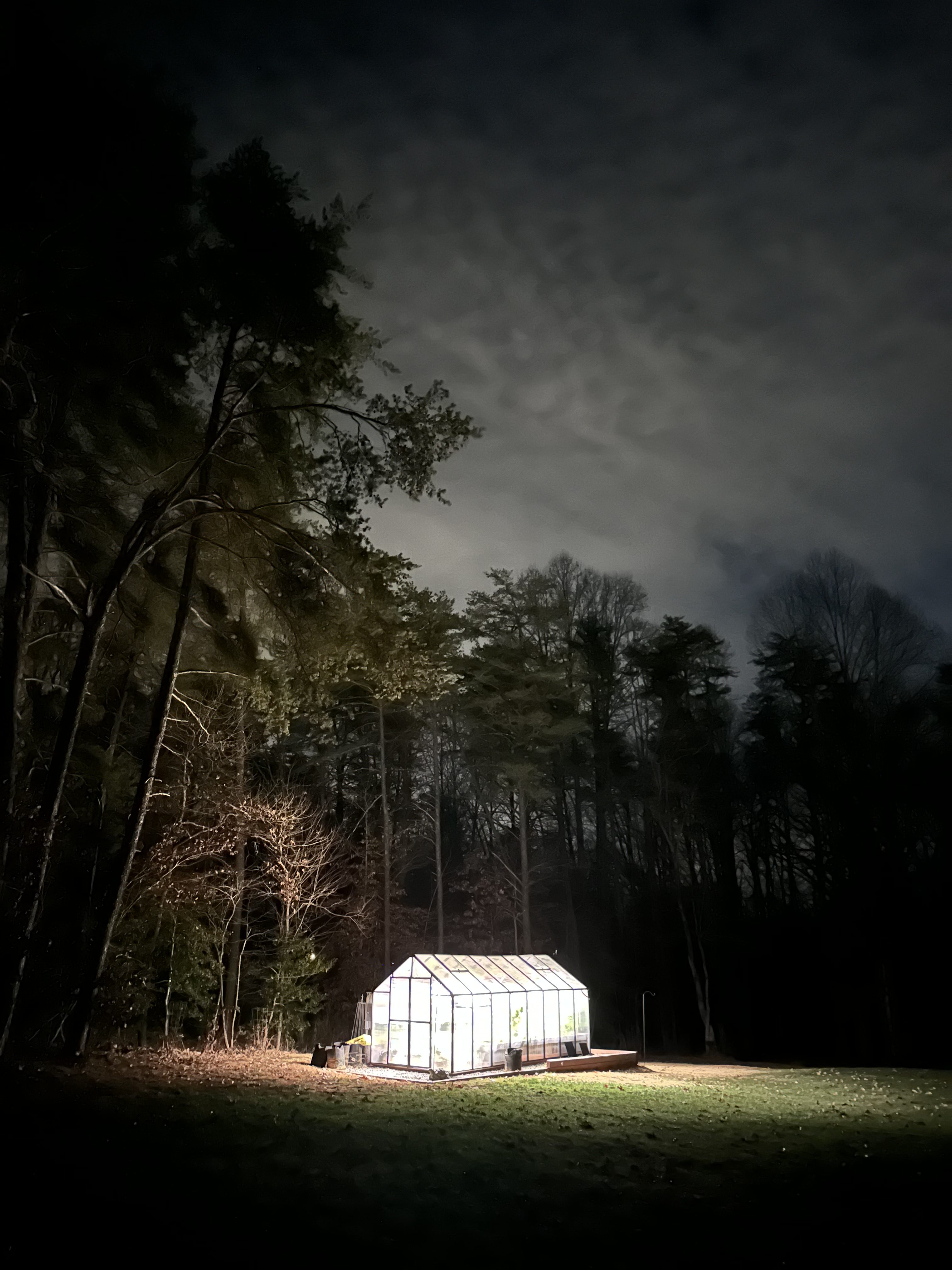
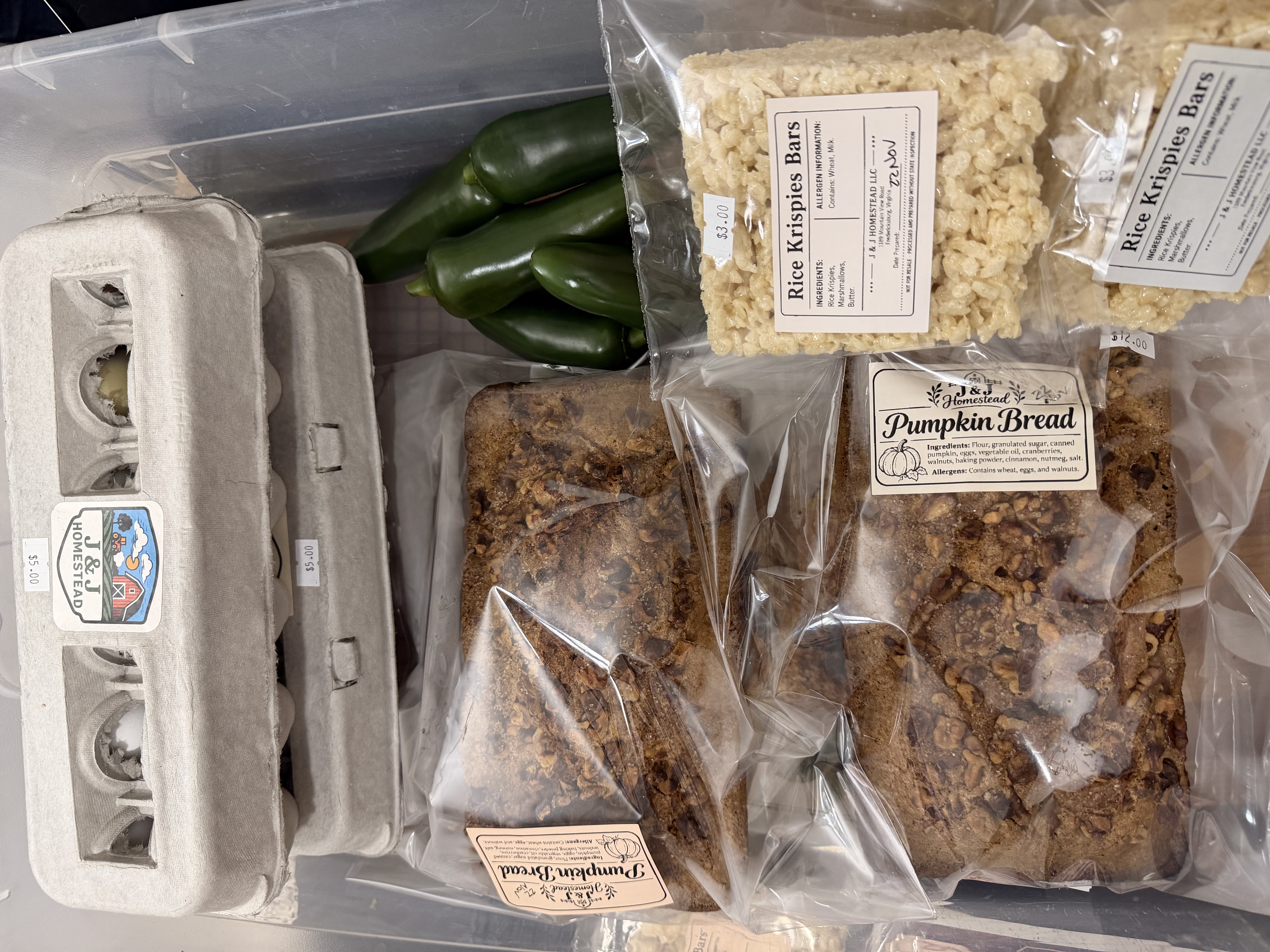
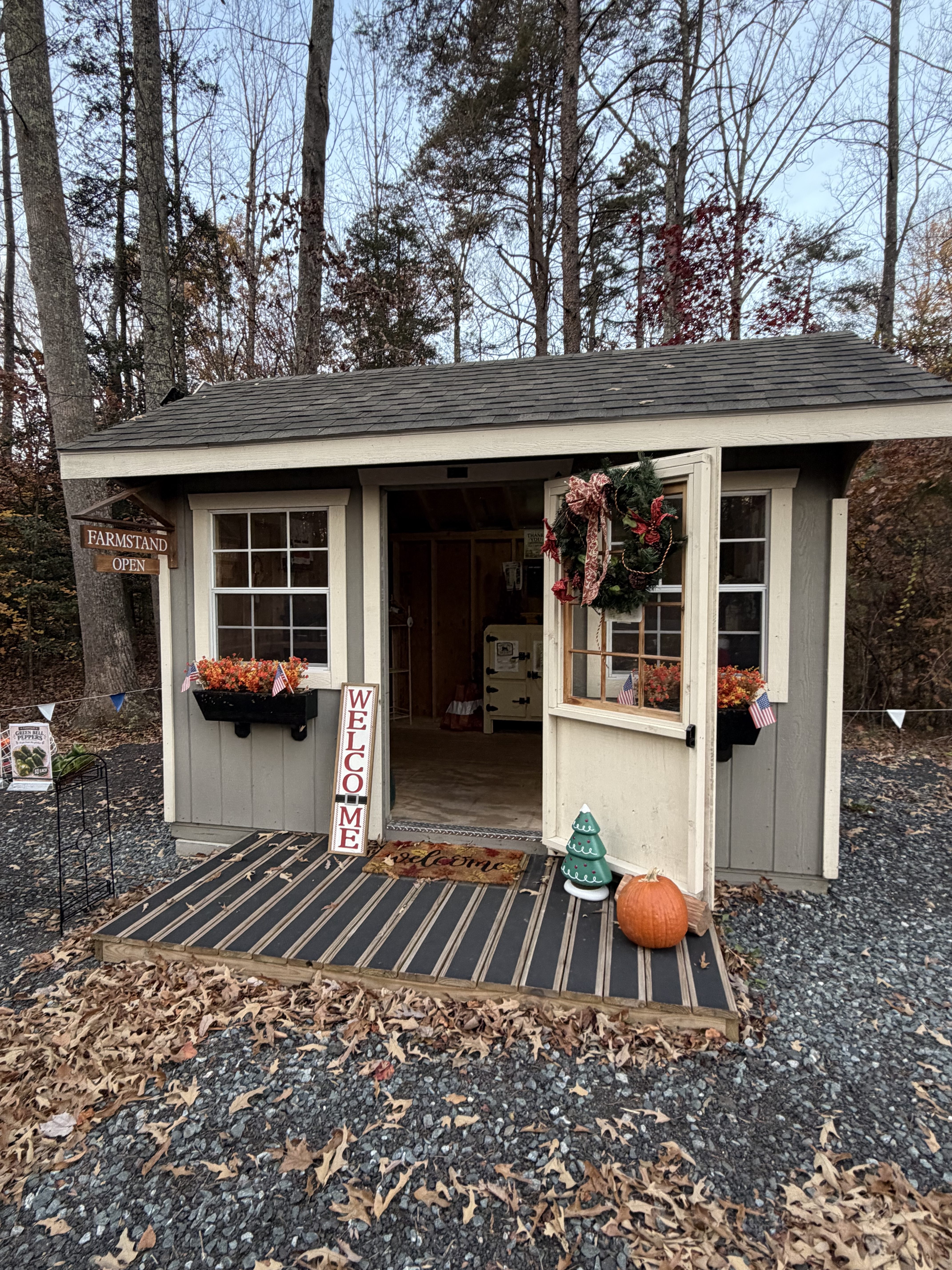
Here at J & J Homestead, we raise chickens and turkeys, keep honey bees, grow fruits and vegetables, bake from scratch, and operate a small farmstand.
And guess what?
We still go to the grocery store!
We purchase feed for our animals. We buy ingredients for our baked goods. We rely on modern equipment and conveniences that make our lives a little easier.
And I don’t feel any less like a homesteader because of it.
Between working a full-time job, caring for our animals, maintaining the garden, running the farmstand, and pursuing interests outside of the homestead, there are only so many hours in the day.
Just because we can do something ourselves doesn’t necessarily mean that we should.
Sometimes, the most valuable resource on your homestead isn’t your land, your equipment, or your harvest.
It’s your time.
Self-Sufficiency Should Be a Direction, Not a Destination
One of the things I love most about homesteading is that there is always something new to learn.
Every year, we become a little more knowledgeable, a little more resourceful, and a little more capable.
We discover what works for us, what doesn’t, and what we want to do differently the following year.
That is progress.
You don’t need to grow 100% of your food to benefit from growing 10%. You don’t need a flock of 50 chickens to appreciate collecting fresh eggs from three hens. You don’t need an enormous garden to experience the satisfaction of eating something that you grew yourself.
Every small step toward greater self-reliance is worth celebrating.
Five Other Pieces of Homesteading Advice You Should Reconsider
1. “Go Big or Go Home.”
One of the easiest homesteading mistakes to make is expanding too quickly.
More animals, larger gardens, and additional projects also mean more expenses, more maintenance, and more responsibilities.
Start small. Learn. Build confidence. Expand when you’re ready—not simply because you can.
2. “Homesteading Will Save You Money.”
It certainly can, but it doesn’t always.
Between fencing, animal housing, feed, gardening supplies, equipment, and infrastructure, homesteading can be expensive.
Sometimes the greatest return on your investment isn’t financial. It’s knowing where your food comes from, developing new skills, and having greater control over how your food is produced.
Those things have value, too.
3. “That’s How People Have Always Done It.”
I love traditional skills and appreciate the knowledge passed down through generations. But tradition shouldn’t prevent us from learning better ways of doing things.
Whether it’s animal care, gardening, beekeeping, or food preservation, we should always be willing to embrace new knowledge and safer practices.
There is nothing wrong with combining traditional wisdom with modern science.
4. “You Should Monetize Everything.”
Opening our farmstand has been one of the most rewarding additions to our homestead. But turning a hobby into a business also changes your relationship with it.
Suddenly, you’re thinking about production costs, inventory, customer demand, and profitability.
Not everything you enjoy needs to generate income. Our website and blog doesn’t, at this moment that feels like a compromise on our brand, and who we are. Maybe that will change if the right opportunity comes along.
Some things are worth doing simply because they bring you happiness.
5. “Real Homesteaders Don’t Take Days Off.”
Our animals certainly don’t understand the concept of a weekend! But while some responsibilities require daily attention, not every project needs to be completed today.
The garden can wait sometimes. The next expansion can wait. That long list of projects isn’t going anywhere.
Taking time to rest, enjoy a cup of coffee, spend time with family, or pursue other interests is not a sign of failure.
Burnout is not a badge of honor.
Community Is Just as Important as Self-Sufficiency
Somewhere in our pursuit of independence, I think we sometimes forget the importance of community.
Homesteading doesn’t have to mean doing everything alone.
There is something beautiful about purchasing produce from another local grower, exchanging knowledge with fellow homesteaders, sharing seeds, supporting small businesses, and helping one another.
Someone else may grow something better than we do. Someone else may have a skill that we haven’t mastered.
That’s not a weakness. That’s an opportunity to learn, connect, and build a stronger community.
Perhaps we should spend a little less time pursuing complete independence and a little more time building meaningful interdependence.
Social Media Isn’t the Measure of a Successful Homestead
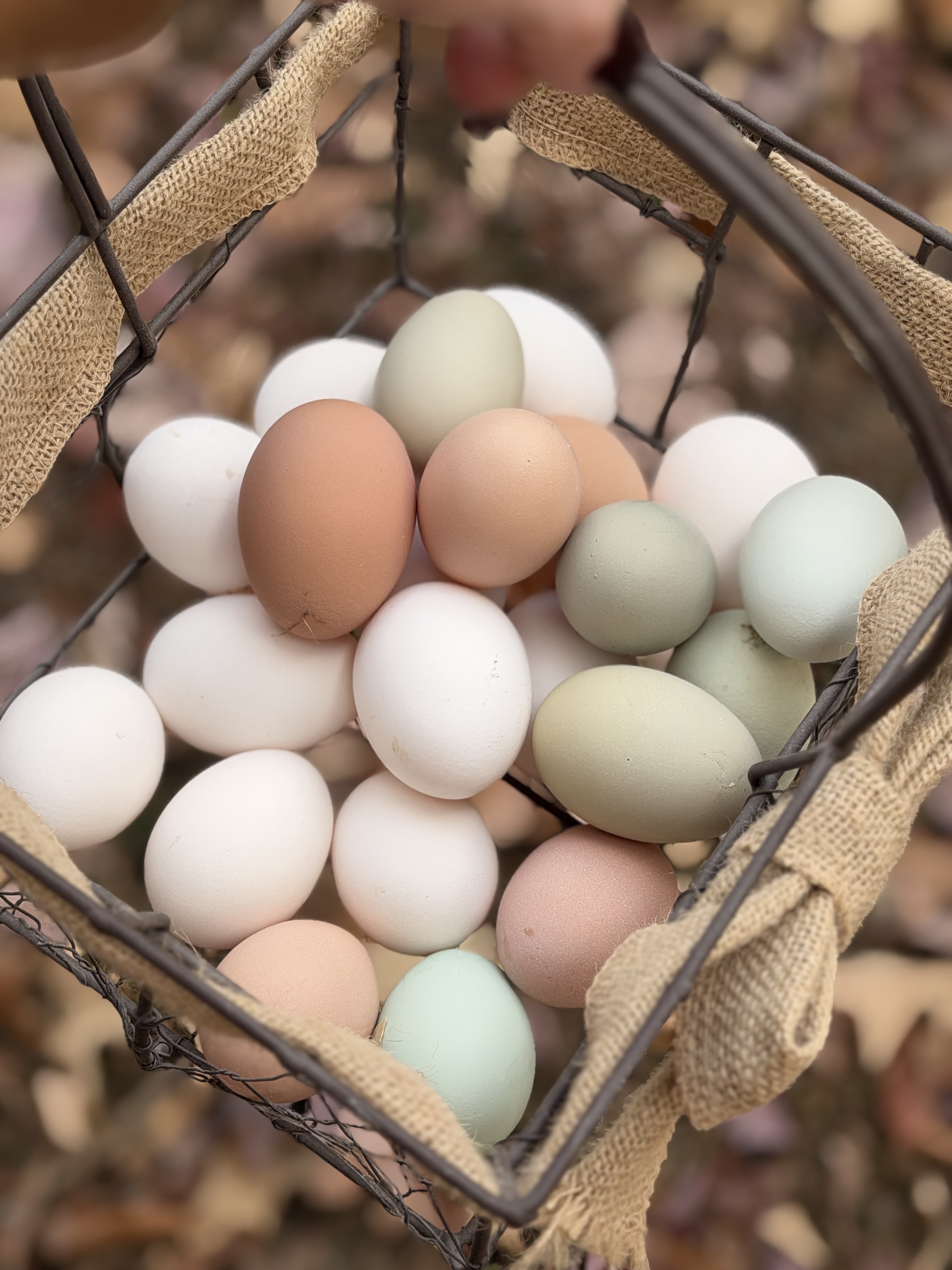
It’s easy to scroll through social media and see beautiful gardens, perfectly organized pantries, freshly baked sourdough, and seemingly endless baskets of fresh eggs.
What we don’t always see are the failed harvests, unexpected expenses, unfinished projects, exhausted homesteaders, and countless trips to the hardware store.
We are often comparing the entirety of our lives to someone else’s carefully selected moments.
Your homestead doesn’t need to look like anyone else’s.
Your available time, acreage, budget, interests, and goals are uniquely yours. Your homestead should reflect those things.
Build a Homestead That Supports the Life You Want to Live
As we continue to grow J & J Homestead, I’m learning that success isn’t necessarily measured by how much we produce, how many animals we raise, or how many projects we complete.
It’s also measured by how much we enjoy the life we’re building.
I want to continue learning. I want to expand the garden, try new things, grow our farmstand, and share what we’ve learned with others.
But I also want to have the time to appreciate it all.
There is no finish line in homesteading. There is no certificate waiting for you when you’ve finally achieved complete self-sufficiency.
There is simply the opportunity to become a little more capable, resourceful, and intentional with each passing season.
Build a homestead that supports the life you want to live, rather than building a life that is entirely consumed by supporting your homestead.
And never let someone else’s definition of homesteading take away the joy of your own journey.

Leave a Reply