
Finding Our Place in Zone 7b
When we first started J & J Homestead, we had no idea how much the climate would shape our rhythm, our planting schedule, and even our mindset. Living in USDA Agriculture Zone 7b means we experience four distinct seasons — from cold winters to hot, humid summers — and that variety keeps every day interesting.
Zone 7b is defined by average annual minimum temperatures between 5°F and 10°F, according to the USDA Plant Hardiness Zone Map. In Virginia, where we’re located, that translates to a long growing season, rich biodiversity, and the flexibility to grow just about anything with the right timing.
It’s not always easy — but it’s absolutely worth it.
The Benefits of Homesteading in Zone 7b
A Generous Growing Season
One of the biggest perks of living in Zone 7b is the length of the growing season. Our last frost date typically falls in early April, and the first frost doesn’t arrive until early November, giving us roughly 7 months of active growing time.
That means we can:
- Start cool-weather crops like lettuce, spinach, and bok choy in early spring
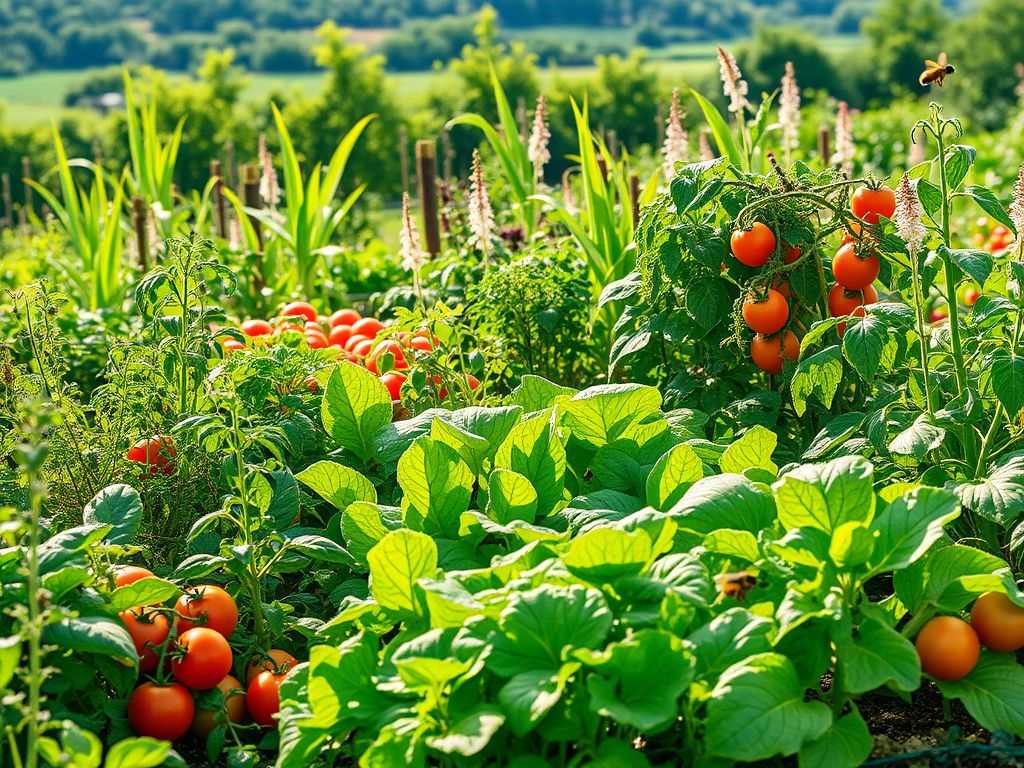
- Grow heat-loving favorites like tomatoes, peppers, and okra all summer long
- Enjoy a second fall garden with kale, collards, and root vegetables
According to Virginia Cooperative Extension, this climate supports a wide variety of crops and offers multiple planting windows each year (Virginia Cooperative Extension – Gardening in Virginia).
Diverse Crop Options
Zone 7b gives us the best of both worlds — we can grow warm-weather plants and cool-season crops in the same year. That versatility makes planning both challenging and rewarding.
On our homestead, we grow:
- Spring & Fall: spinach, lettuce, bok choy, kale, and onions
- Summer: tomatoes, peppers, edamame, and potatoes
- Perennials: strawberries, herbs, and fruit trees
The mix keeps our garden fresh, colorful, and productive almost year-round.
A Haven for Pollinators
Our bees, butterflies, and hummingbirds thrive here. With long blooming seasons and mild winters, Zone 7b provides a steady flow of nectar and pollen sources. This makes it an ideal region for backyard beekeeping and pollinator-friendly gardening.
For beekeepers, this zone allows early spring hive buildup and late summer honey harvests — perfect conditions for healthy colonies.
Sustainability and Self-Reliance
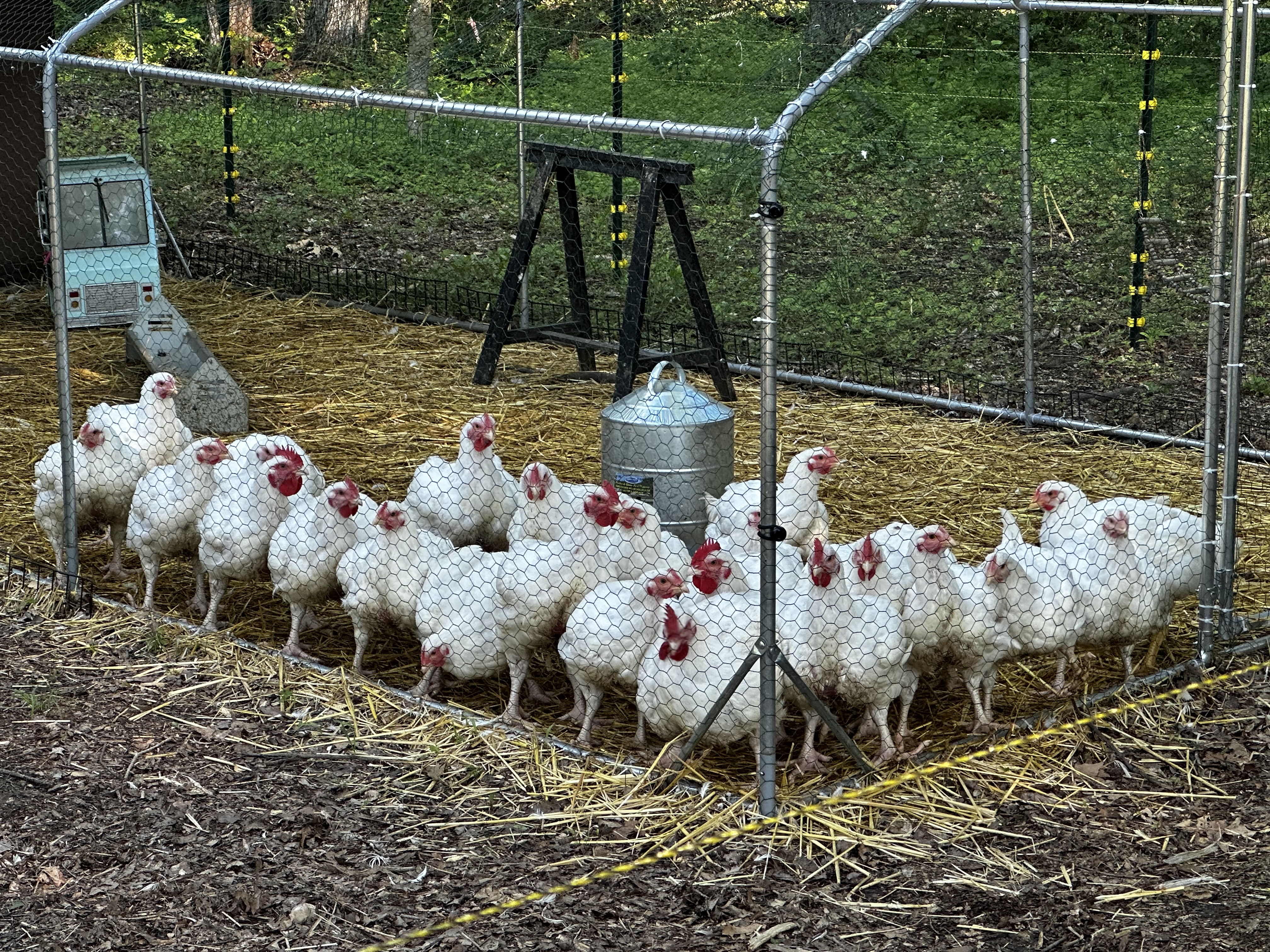
The moderate climate allows us to be less dependent on grocery stores and more connected to our land. Between the garden, the greenhouse, our chickens, and the honey bees, we produce food for much of the year — and Zone 7b’s climate makes that possible.
The Challenges of Zone 7b
Summer Heat and Humidity
Let’s be honest — Virginia summers can be brutal. The humidity feels like a wet blanket, and the sun can scorch even the hardiest plants. We rely heavily on mulch, drip irrigation, and shade cloths to keep our plants from wilting.
Our greenhouse becomes too hot to use during the summer months, so we shift focus to outdoor beds and shaded areas.
University of Georgia Extension recommends using mulches and proper spacing to protect soil moisture and prevent heat stress on plants (UGA Extension – Mulching and Soil Health).
Unpredictable Frosts
Even though Zone 7b enjoys mild winters, surprise frosts can still sneak up in late spring or early fall. We’ve learned the importance of watching weather forecasts closely and keeping frost covers handy.
A single unexpected freeze can set back weeks of seed starting — so timing and protection are key.
Pests and Predators
The same mild winters that make gardening enjoyable also allow certain pests (and predators) to stick around year-round. From aphids and cabbage worms to foxes and raccoons, we’ve seen it all.
Integrated pest management (IPM) and natural deterrents have become part of our routine. The EPA’s Guide to Integrated Pest Management provides a great overview of environmentally friendly pest control methods (EPA – Integrated Pest Management).
How We’ve Learned to Thrive in Zone 7b
Living in this zone has taught us that homesteading isn’t about perfection — it’s about adaptation. Each season brings its own lessons, and we’ve learned to work with the climate rather than fight it.
We use the Mont Greenhouse to extend our growing season, rotate our crops to keep the soil healthy, and rely on a mix of modern tools and old-fashioned observation to guide each planting decision.
We’ve learned when to rest (in mid-summer heat), when to plant (early spring and fall), and when to celebrate (the first ripe tomato of the year!).
Zone 7b keeps us humble — and hopeful.
Final Thoughts
Homesteading in Agriculture Zone 7b is full of contrast — long summers, cool winters, unpredictable weather, and endless possibilities. The challenges keep us learning, but the rewards make every early morning worth it.
Our land teaches us patience, timing, and gratitude. It reminds us that no matter the zone, success on the homestead comes from understanding your environment, respecting its limits, and working in harmony with the seasons.
At J & J Homestead, Zone 7b isn’t just where we live — it’s where we grow.

Leave a Reply