
One of the biggest myths in gardening is that you need acres of land to grow your own food. Scroll through social media long enough, and you’ll find sprawling homesteads with endless rows of vegetables, orchards stretching into the distance, and enough growing space to make any gardener a little jealous.

But here’s the truth: you don’t need a large property to grow a productive garden.
In fact, some of the most productive gardeners I know are working with small backyards, patios, balconies, or even a collection of containers lined up along a driveway. Whether you’re an urban homesteader, a suburban gardener, or someone simply trying to make the most of a small space, there are plenty of creative ways to grow more food than you might think possible.
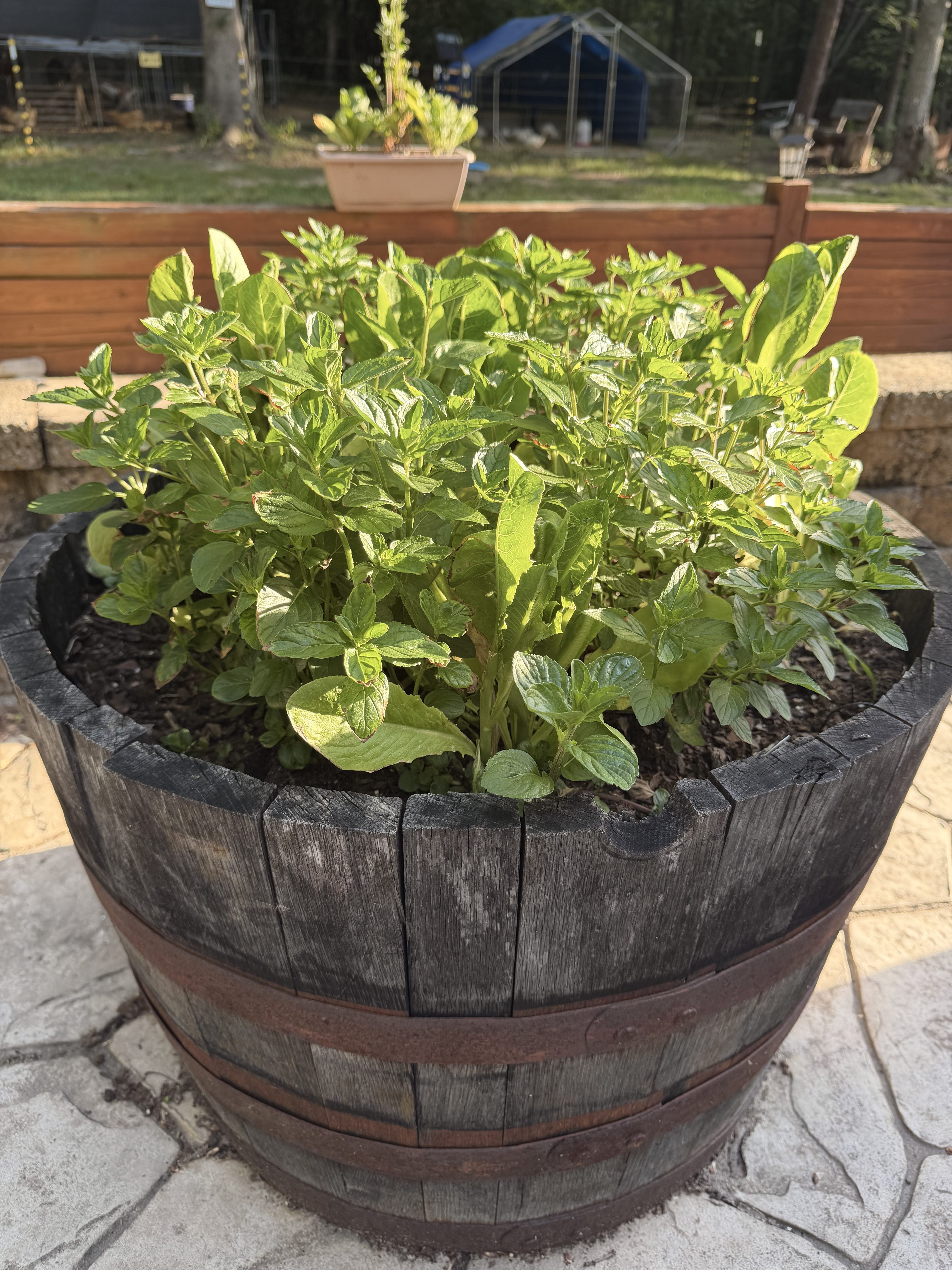
Here on J & J Homestead, we take advantage of every space that is available in order to be more efficient with not only the space, but our time and resources. The container garden that we keep on the back patio is focused on providing fresh herbs and spices to whatever we may be cooking in the kitchen (the containers also keep the mint from spreading!). We have also repurposed the old flower boxes so that we can grow lettuce and chard. On a quest to be efficient, we are capitalizing on everything that we have…and it’s working beautifully!

At its core, small space gardening is exactly what it sounds like—growing food in limited areas such as raised beds, containers, balconies, patios, rooftops, or compact backyard gardens. Instead of relying on square footage, small space gardeners focus on efficiency, creativity, and maximizing every inch available.
For many aspiring homesteaders, this approach is not just practical—it’s empowering. Not everyone has room for a large garden, but nearly everyone can find a corner to grow something.
Why Small Space Gardening Matters
One of the things I love most about gardening is that it meets you where you are. You don’t have to wait until you own ten acres to start growing food. You can begin today with a tomato plant in a container or a few herbs on a sunny windowsill.
For urban and suburban homesteaders, small space gardening offers an opportunity to become a little more self-sufficient while reducing grocery bills and connecting with where food comes from.
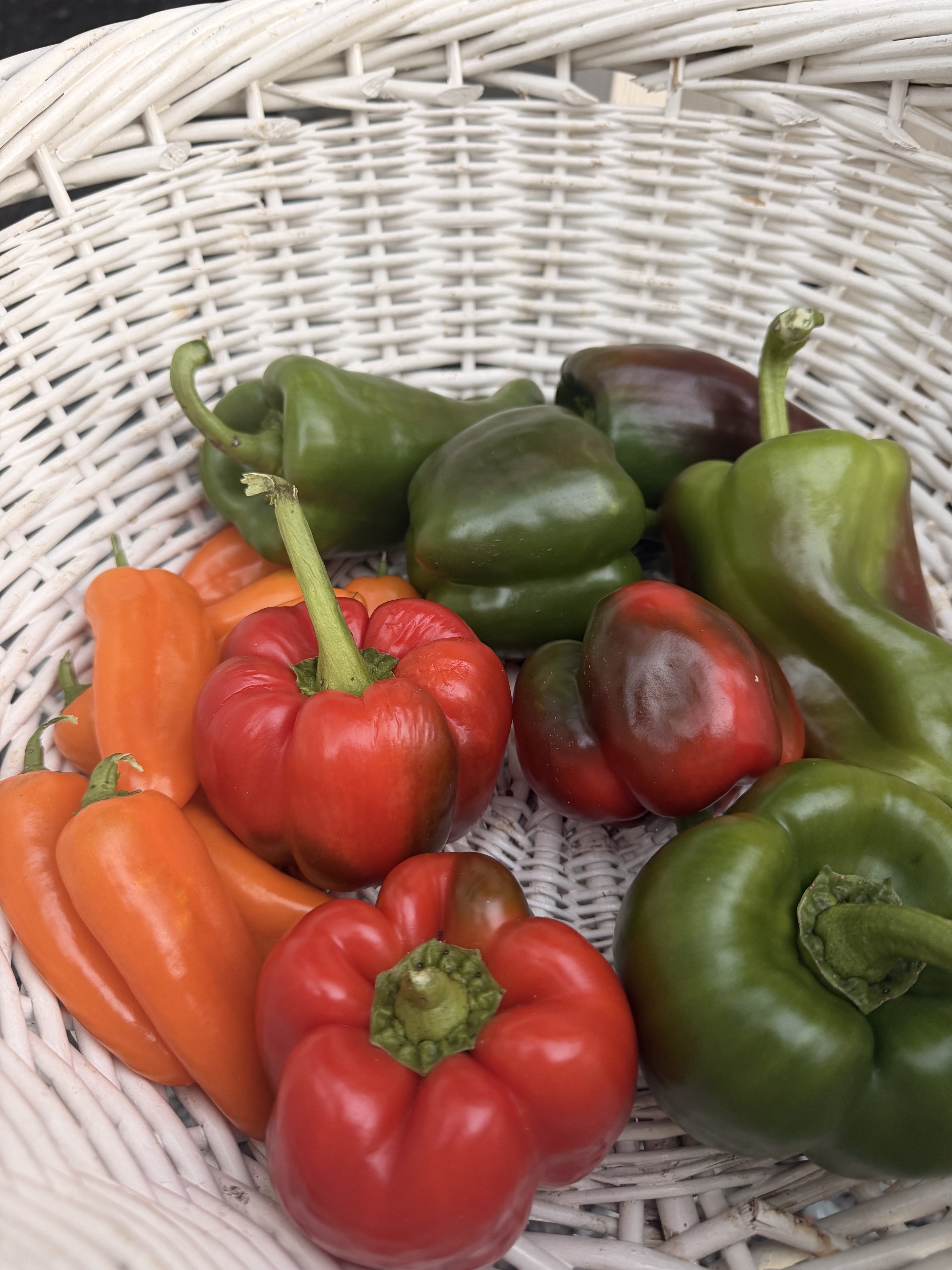
Even a modest garden can provide fresh herbs, tomatoes, peppers, lettuce, and other vegetables throughout the growing season. Those harvests add up quickly, especially when grocery prices continue to rise.
Beyond the food itself, small gardens create pollinator habitats, reduce food miles, and provide a sense of accomplishment that is hard to replicate anywhere else.
The Challenges of Gardening in Small Spaces
Of course, gardening in a limited area comes with its own set of challenges.
The first is obvious: space. Every square foot matters. When you’re working with a small garden, there isn’t much room for mistakes or sprawling plants that take over entire beds.
Sunlight can also be a challenge. Buildings, fences, trees, and neighboring structures often create shade throughout portions of the day. Learning where your sunlight falls and for how long becomes an important part of planning.
Then there are containers and raised beds. While they’re fantastic tools for small-space gardeners, they require a bit more attention. Containers dry out faster during summer heat and generally need more frequent watering than traditional in-ground gardens.
And finally, there’s crop selection. Not every vegetable is a good fit for limited growing space. Some plants simply demand more room than they’re worth.
The good news? Every one of these challenges can be overcome with a little creativity.

Think Vertically: Grow Up Instead of Out
When space is limited, the best solution is often to stop thinking horizontally.
Vertical gardening is one of the most effective ways to dramatically increase production in a small garden. By encouraging plants to grow upward on trellises, cages, netting, arches, or fencing, you can harvest significantly more food without increasing your garden footprint.
I’ve always been amazed at how much food can come from a simple trellis. A few cucumber plants can climb six feet into the air, producing pounds of cucumbers while occupying only a small patch of soil. Pole beans, peas, indeterminate tomatoes, and even some squash varieties thrive when given vertical support.
An added bonus is that vertical gardening improves airflow around plants, making disease problems less common while also making harvesting much easier.
The Beauty of Container Gardening
If vertical gardening is the king of small-space growing, container gardening is certainly the queen.
One of the reasons containers are so popular is their flexibility. They can be placed virtually anywhere that receives adequate sunlight. A porch, deck, driveway, balcony, or even a sunny corner beside the house can become productive growing space.
Some of my favorite crops for containers include tomatoes, peppers, herbs, lettuce, Swiss chard, strawberries, and green onions. A single five-gallon bucket can produce an impressive tomato plant, while a shallow container can provide weeks of fresh salad greens.
The key is choosing containers large enough for the crop and using a quality potting mix. Consistent watering is equally important, especially during the heat of summer.
Choosing Plants That Earn Their Space
When every square foot matters, it’s important to grow plants that provide the greatest return.
I always encourage gardeners to look for varieties labeled “compact,” “dwarf,” “patio,” “bush,” or “determinate.” These plants were specifically developed to perform well in smaller spaces.
Cherry tomatoes are a perfect example. A single plant can produce hundreds of tomatoes over the course of a season. Swiss chard is another favorite because you can harvest leaves continuously without removing the entire plant.
Herbs are also excellent choices. A few basil, parsley, oregano, or thyme plants can provide fresh flavor all season long while taking up very little space.
When planning a small garden, focus on crops that continue producing rather than those that provide only a single harvest. You’ll get much more food from your available space.

Let Your Plants Help Each Other
One of my favorite gardening techniques is companion planting.
Companion planting is simply the practice of growing plants together that benefit one another. In a small garden, every plant should work as hard as possible, and companion planting helps accomplish exactly that.
For example, tomatoes and basil are a classic combination. Lettuce and radishes make excellent companions because the radishes mature quickly while the lettuce continues to fill in around them. Marigolds tucked among vegetables attract pollinators and beneficial insects while adding beautiful color to the garden.
Companion planting helps maximize production while also creating a healthier, more diverse growing environment.
Don’t Forget Succession Planting
One of the easiest ways to increase your harvest without expanding your garden is through succession planting.
Many gardeners make the mistake of planting everything at once. A few weeks later, they have more lettuce or radishes than they know what to do with, followed by weeks of empty garden space.
Instead, try planting small amounts every couple of weeks. Crops like lettuce, spinach, radishes, green onions, and bush beans are perfect candidates for succession planting.
This simple technique keeps fresh produce coming all season long and ensures that no space sits idle for very long.
The Right Tools Make Gardening Easier
Fortunately, small space gardening doesn’t require a garage full of equipment.
A quality hand trowel, hand pruners, gloves, watering can, garden twine, and a harvest basket will handle most gardening tasks. I also find a soil moisture meter incredibly helpful when growing in containers, especially during Virginia’s hot summer months.
Simple tools often make the biggest difference.
Helpful Resources for Small-Space Gardeners
Today’s gardeners have access to more information than ever before.
Apps like Seedtime, Gardenize, and Planter can help with garden layouts, companion planting decisions, planting schedules, and record keeping.
For region-specific advice, I always recommend checking with your local Cooperative Extension office or Master Gardener program. These organizations provide research-based information tailored to your growing region and can answer questions specific to your area.
Community gardens are another wonderful resource. Even if you don’t rent a plot, many offer educational programs, workshops, and opportunities to connect with experienced gardeners who are often eager to share their knowledge.
What I Have Learned
One of the most rewarding lessons gardening has taught me is that success isn’t determined by the size of your property. It’s determined by your willingness to learn, adapt, and make the most of the space you have.
Whether you’re growing vegetables on a balcony, filling containers on a patio, or squeezing a few raised beds into a suburban backyard, you can produce an incredible amount of food with thoughtful planning and a little creativity.
At J & J Homestead, we’ve learned that every square foot has potential. Sometimes the most productive gardens aren’t the largest ones—they’re simply the ones where every inch is working hard.
So if you’ve been waiting for more land before starting a garden, consider this your sign to start now. A single container, a small raised bed, or a sunny corner might be all you need to begin growing something amazing.



Leave a Reply