

How to Protect Your Chickens, Ducks, Honey bees, and Property When Temperatures Dip Into the 20s
When extreme cold weather rolls in, preparation becomes the most important tool on the homestead. Over the next few nights here at J & J Homestead, temperatures will be dipping into the low 20s. That means it’s time to get serious about keeping our animals warm, healthy, and safe while also protecting our infrastructure from freezing, cracking, and unexpected winter challenges.
This guide walks you through everything you need to do to prepare your chickens, ducks, honeybees, and the entire homestead for extreme temperatures.
Let’s get ready—because a little planning now goes a long way when the cold sets in.
Cold-Weather Prep for Chickens
Chickens handle cold weather better than heat, but dropping temperatures, damp conditions, and drafts can quickly lead to stress or frostbite. Here’s how to get them ready.
1. Insulate the Coop (Without Sealing It Tight)
The goal is to reduce drafts, not trap heat. Chicken coops must stay well-ventilated, even in freezing weather.
Effective insulation options include:
- Straw bales stacked along the outside walls
- Foam boards inside the walls
- Heavy-duty tarps for wind protection
- Cardboard or plywood placed strategically as draft blocks
Just be sure the upper vents remain open for ventilation.
2. Ventilation Is More Important Than Heat
Moisture buildup in the coop is the #1 cause of frostbite. Chickens exhale warm, humid air, and if it can’t escape, it condenses and freezes.
Keep:
- Roofline or gable vents open
- Drafts blocked at roost level
- Airflow moving upward, not across the birds
Dry air = warm birds.
3. Provide Proper Roosting Bars
Chickens generate a surprising amount of heat when they roost together. Make sure roosts are:
- Higher off the ground
- Smooth and wide enough for them to cover their toes with feathers
- Dry and clean
A proper roost is one of their main defenses against extreme temperatures.
4. Prevent Frostbite
To protect combs and wattles, especially on single-comb breeds, apply a thin layer of:
- Petroleum jelly or
- A natural balm
This adds a protective barrier against moisture and wind.
5. Manage Their Water
Water freezes fast when nighttime temps hit the 20s. Options include:
- Heated waterers
- Heated bases
- Or frequent water checks throughout the day
Avoid placing water inside the coop—moisture increases frostbite risk.
6. Feed for Warmth
Chickens burn extra calories to stay warm. Support them by:
- Offering scratch grains in the evening
- Keeping their feed full at all times
- Ensuring they’re on a nutrient-rich winter ration
Evening scratch helps generate internal heat while they sleep.
Cold-Weather Prep for Ducks
Ducks tolerate cold incredibly well, but don’t let that fool you—wetness combined with wind can still cause trouble.
1. Provide Windbreaks and Dry Bedding
Ducks’ biggest winter threats are wind and wet feathers. Make sure their shelter includes:
- Deep straw or pine shavings
- A roof or windbreak to block drafts
- Enough space for ducks to dry off before nighttime
A dry duck is a warm duck.
2. Safe Water Access
Ducks still need water deep enough to dunk their heads, but freezing conditions can be dangerous.
Tips:
- Avoid icy ponds
- Use rubber bowls for easy ice removal
- Change water frequently
Never let ducks swim in partially frozen ponds—ice can trap or injure them.
3. Protect Their Feet
Ducks can get frostbite too, especially when the ground is icy.
Keep:
- Bedding dry
- Ice patches removed
- Ducks off frozen mud when possible
Fresh, clean bedding is essential during cold spells.
4. Boost Their Nutrition
During temperature drops, supplement with:
- Higher-protein feed
- Slightly increased fat
- Evening snacks for warmth
Ducks burn a lot of calories to maintain body heat.
Cold-Weather Prep for Honey Bees
Honey Bees are the most fragile yet most sophisticated winter survivors on the homestead. During extreme cold, their cluster tightens and they rely heavily on stored resources.
1. Insulate the Hive
Use breathable but protective materials:
- Tar paper
- Insulated wraps
- Foam boards
The goal is to block wind—not trap moisture inside the hive.
2. Manage Moisture (Their Biggest Winter Enemy)
Cold temperatures don’t kill bees—condensation does.
Add:
- An upper entrance
- A moisture quilt or vented shim
- Good airflow above the cluster
This keeps condensation from dripping back down onto the bees.
3. Check Food Stores
If hives feel lighter than normal, supplement with:
- Fondant
- Bee candy
- Sugar bricks
Bees often can’t access honey frames when they’re tightly clustered, so providing food above them is critical.
4. Create a Windbreak
Protect the hive entrances from wind with:
- Straw bales
- Fencing
- Evergreen boughs
Even a small windbreak can make a big difference.
5. Keep Entrances Clear
Make sure entrances aren’t blocked by:
- Snow
- Leaves
- Ice
Good ventilation = healthy overwintering.
General Homestead Prep for Extreme Cold
Your animals aren’t the only ones that need protection during a freeze. The property itself deserves attention too.
1. Protect Water Systems
Check all:
- Pipes
- Spigots
- Heated buckets
- Well houses
Store emergency water indoors in case of power loss or freeze-ups.
2. Stock Up on Feed
Avoid last-minute runs by having extra:
- Chicken feed
- Duck feed
- Dog food
- Scratch grains
- Bee supplements
- Straw or hay
Cold weather burns calories—ensure you have plenty of feed on hand.
3. Prepare Emergency Supplies
Always keep close:
- Flashlights and headlamps
- Extra batteries
- Propane or backup heat
- Extra blankets
- Hand warmers
- Power banks
A cold snap at night is not the time to be unprepared.
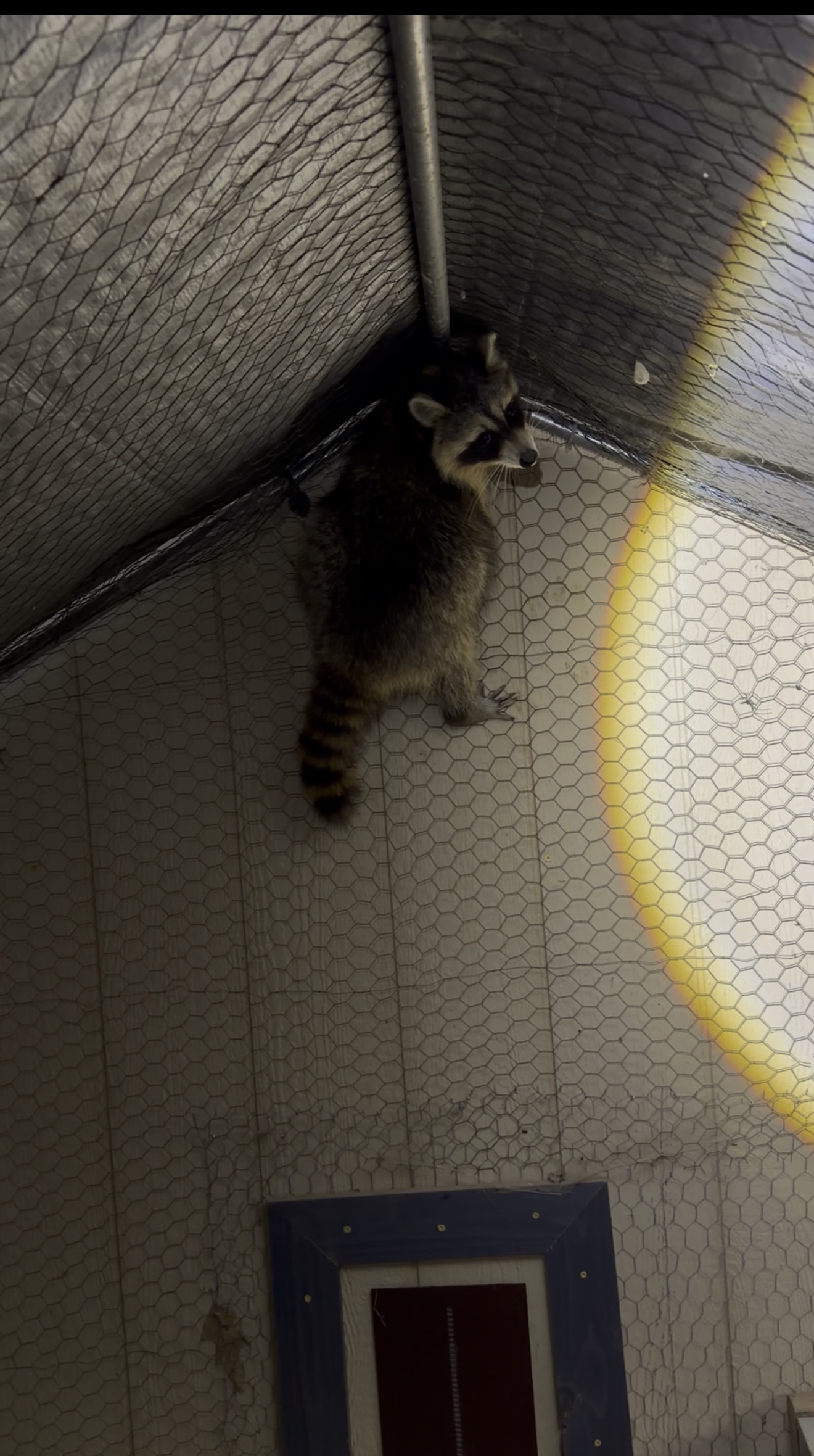
4. Strengthen Predator Protection
Cold weather drives predators closer to homes and coops. Reinforce:
- Hardware cloth
- Latches
- Locks
- Coop doors
- Perimeter fencing
Predators hunt harder in the cold.
5. Increase Routine Checks
During extreme cold, walk the property:
- Early morning
- Afternoon
- Before sunset
- Before going to bed
Look for signs of distress, frozen water, or damage caused by wind or frost.
❄️ Final Thoughts: Cold Weather Is Manageable When You Prepare
Extreme cold can feel intimidating, but with a good plan, your animals and your homestead can weather the freeze with confidence. Cozy bedding, proper ventilation, food adjustments, and regular checks make all the difference.
At J & J Homestead, preparation is just another part of the rhythm of caring for our animals—and honestly, cold weather brings its own kind of peaceful beauty.
Stay warm, stay safe, and give your animals an extra treat tonight—they’ll appreciate it.

Leave a Reply