
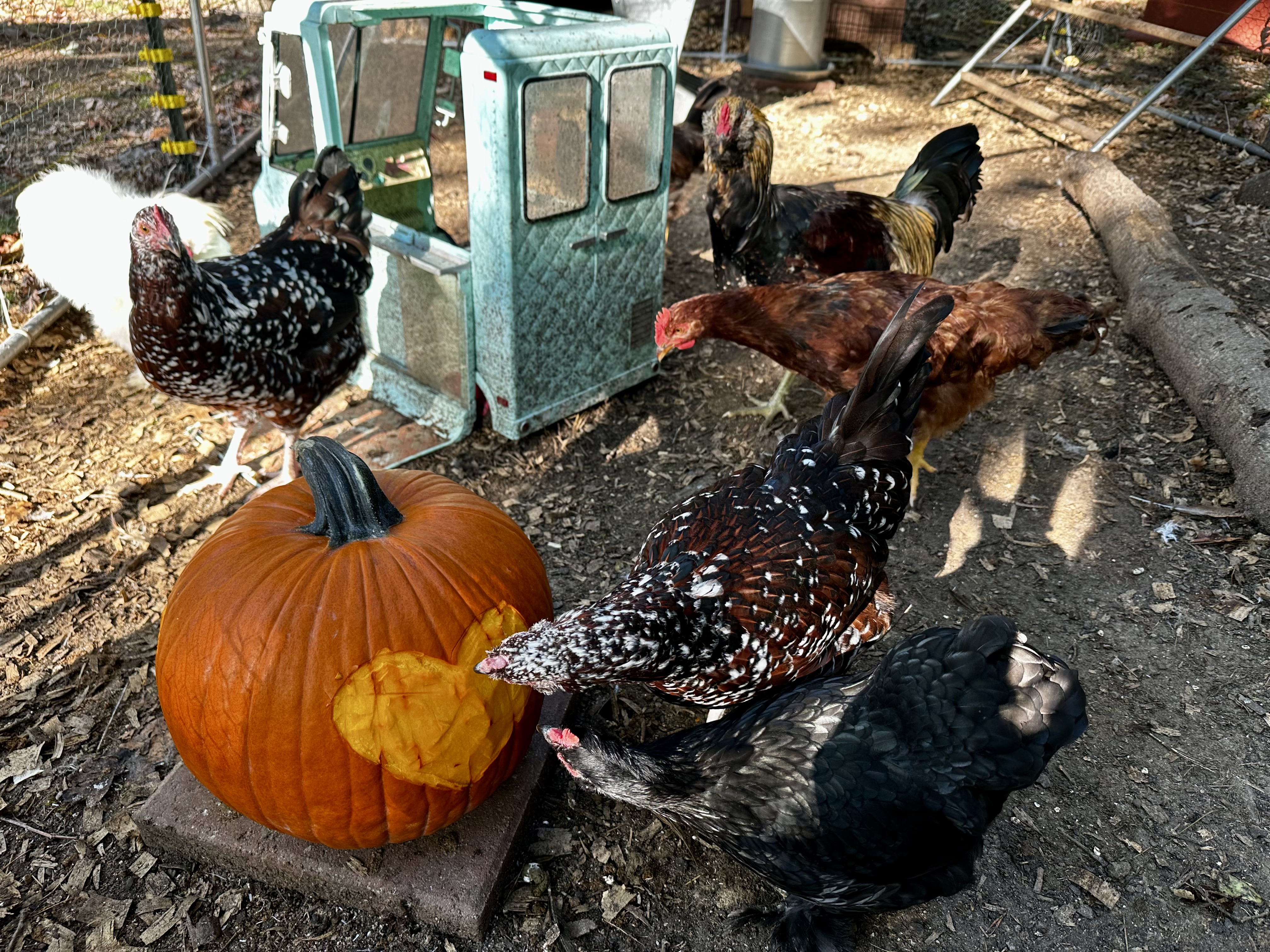
Holy cow! It’s already November!
Seriously, how did that happen?
I feel like we were just celebrating the arrival of spring, planting our garden, welcoming new chicks, and getting ready to open the farmstand. Then, somewhere between harvesting vegetables, collecting eggs, tending to the bees, and baking what feels like a million cookies, the calendar decided to fast-forward straight to November.
And my first thought?
Goodness gracious, we’re already behind!
There are still things to do, projects that haven’t been finished, and about a hundred ideas floating around in my head for what we want to accomplish next year.
But then I started thinking.
Are we really behind? Or is this simply what homesteading looks like?
Because if there’s one thing I’ve learned through this wonderful, chaotic, sometimes exhausting adventure, it’s that there is always something that needs to be done on a homestead.
And maybe that’s not such a bad thing.
November on the Homestead: Preparing for Winter While Enjoying the Last of Fall
Here in Virginia, November is when we really begin to feel the transition from fall into winter. The mornings are getting colder, daylight is disappearing earlier, and those wonderfully crisp autumn afternoons are reminding us that winter is just around the corner.
Fortunately, I’m feeling pretty confident about where we stand with our winter preparations.
That doesn’t mean everything is finished. Goodness, is anything ever really finished on a homestead?
But we’ve made progress, and sometimes we need to give ourselves a little credit for that!
Getting the Chicken and Turkey Coops Ready for Winter
One of my biggest priorities as the temperatures begin to drop is making sure our chickens and turkeys are comfortable, healthy, and protected from the winter weather.
And this year, I’m feeling pretty good about our preparations!
We’ve been working on getting the coops ready for colder temperatures, paying particular attention to bedding, ventilation, and protecting our birds from drafts. Jason gets all of the credit for that one!
One thing I’ve learned about raising chickens is that they’re surprisingly resilient when it comes to cold weather.
In fact, healthy, fully feathered adult chickens generally tolerate cold temperatures much better than we give them credit for. Their feathers provide wonderful insulation, and as long as they have a dry, well-ventilated coop that protects them from direct drafts, they can handle some pretty chilly weather.
Of course, that doesn’t mean we can simply close the coop doors and forget about them until spring!
Our November chicken coop checklist includes:
- Adding and maintaining plenty of clean, dry bedding.
- Checking for drafts while ensuring adequate ventilation.
- Making sure roosting bars are secure and comfortable.
- Inspecting the coops for moisture buildup.
- Preparing for the inevitable battle against frozen drinking water.
- Keeping a close eye on flock health as temperatures change.
And let’s talk about that frozen water for a moment.
If you’ve ever raised chickens through a Virginia winter, you know exactly what I’m talking about!
There is nothing quite like heading outside on a freezing morning, only to discover that every waterer has turned into a giant ice cube. (Reason 4,673 on why I’m so glad that we no longer have ducks!)
Ah, the joys of homesteading!
But those are the little challenges that come with caring for animals, and honestly, I wouldn’t trade this life for anything.
This will also be our first winter with our larger turkey flock, so we’re paying special attention to their housing and making sure they’re just as prepared for the colder months. We got some older turkey hens last spring that I think may need a little extra help through the winter with nutrition and such. I’ll be keeping my eyes on them specifically.
Chicken Molting Season: Helping Our Flock Grow Their Winter Feathers
And speaking of chickens, we have another little adventure happening right now.
Molting season! Oh, goodness.
If you’ve never experienced a chicken molt, imagine walking outside and discovering enough feathers scattered around the run to build an entirely new chicken.
That’s pretty much what it looks like!
Several of our chickens are currently going through their annual molt, shedding old feathers and growing beautiful new ones.
While it can make them look a little rough around the edges, molting is a completely natural and important process.
Those new feathers will help provide the insulation they need for the winter months ahead. The challenge is that growing feathers takes an incredible amount of energy and protein.
Feathers are made primarily of keratin, a protein, which means our chickens have increased nutritional demands while they’re molting.
We’re helping our flock through this process by making sure they have:
- A balanced diet with adequate protein to support feather growth.
- Plenty of fresh, clean drinking water.
- A comfortable, low-stress environment.
- Clean, dry bedding and protection from harsh weather.
- Extra attention to ensure everyone is eating and behaving normally.
Egg production often slows during molting because the chickens are directing so much energy toward growing new feathers.
And that’s perfectly okay!
Our girls work hard for us throughout the year. If they need a little time to rest, recover, and grow their beautiful winter coats, they’ve certainly earned it.
The Garden Is STILL Giving Us Peppers!
Now, here’s something that makes me ridiculously happy. We’re still harvesting peppers from the garden!
In November!
I absolutely love that.
There is something so satisfying about walking out to the garden this late in the season and discovering that it’s still giving us something wonderful.
After months of planting, watering, weeding, harvesting, and battling whatever Mother Nature decides to throw our way, those late-season peppers feel like a little gift.
Our Virginia growing season can be wonderfully generous, especially when autumn temperatures cooperate.
Of course, a hard freeze will eventually bring our outdoor pepper harvest to an end, but until then, I’m going to enjoy every last one!
And that’s another beautiful lesson that homesteading teaches us.
Sometimes the seasons give us more than we expected.
We spend so much time worrying about what needs to happen next that it’s easy to overlook the wonderful things happening right in front of us.
Those peppers are a perfect reminder to appreciate what we have today.
Preparing Our Honey Bees for Winter
Another important task on our November homesteading calendar is making sure our honey bees are ready for winter.
In the coming weeks, we’ll be checking on their food stores and providing appropriate supplemental feeding where needed to help them through the cold months ahead.
Winter is an incredibly important time for a honey bee colony.
Unlike many insects, honey bees don’t simply disappear or hibernate when temperatures drop.
Instead, they form a winter cluster inside the hive, working together to maintain warmth and protect their queen.
And all of that takes energy!
Their stored honey provides the fuel they need to survive until spring.
As beekeepers, our responsibility is to make sure our colonies enter winter with sufficient food stores, healthy populations, and appropriate protection from moisture and harsh weather.
For our hives, that means paying attention to:
- The amount of stored honey and overall colony weight.
- Whether supplemental feeding is necessary.
- Varroa mite management and colony health.
- Proper ventilation and moisture control.
- Protection from wind and severe winter weather.
As temperatures drop, we’ll be considering winter-appropriate feed, such as fondant or sugar boards, rather than relying on liquid syrup that bees may struggle to process in cold conditions.
And then comes one of the hardest parts of winter beekeeping.
Waiting!
There is something incredibly rewarding about opening a hive on that first beautiful spring day and discovering a healthy colony buzzing with activity.
It’s one of my favorite moments of the entire homesteading year.
Already Dreaming About Next Year’s Garden and Farmstand
Now, here’s where things get a little funny.
We’re barely into November, and I’m already thinking about next year!
But that’s the thing about homesteading.
You always want to be thinking at least one season ahead.
While we’re preparing for winter, I’m already imagining what our garden might look like next spring and summer.
And, perhaps more importantly, what we might be able to do to continue growing J & J Homestead.
This year has taught us so much about running a farmstand.
When we first opened, our focus was on sharing the things we already produced on our little homestead: fresh eggs, vegetables, honey, and other wonderful homegrown products.
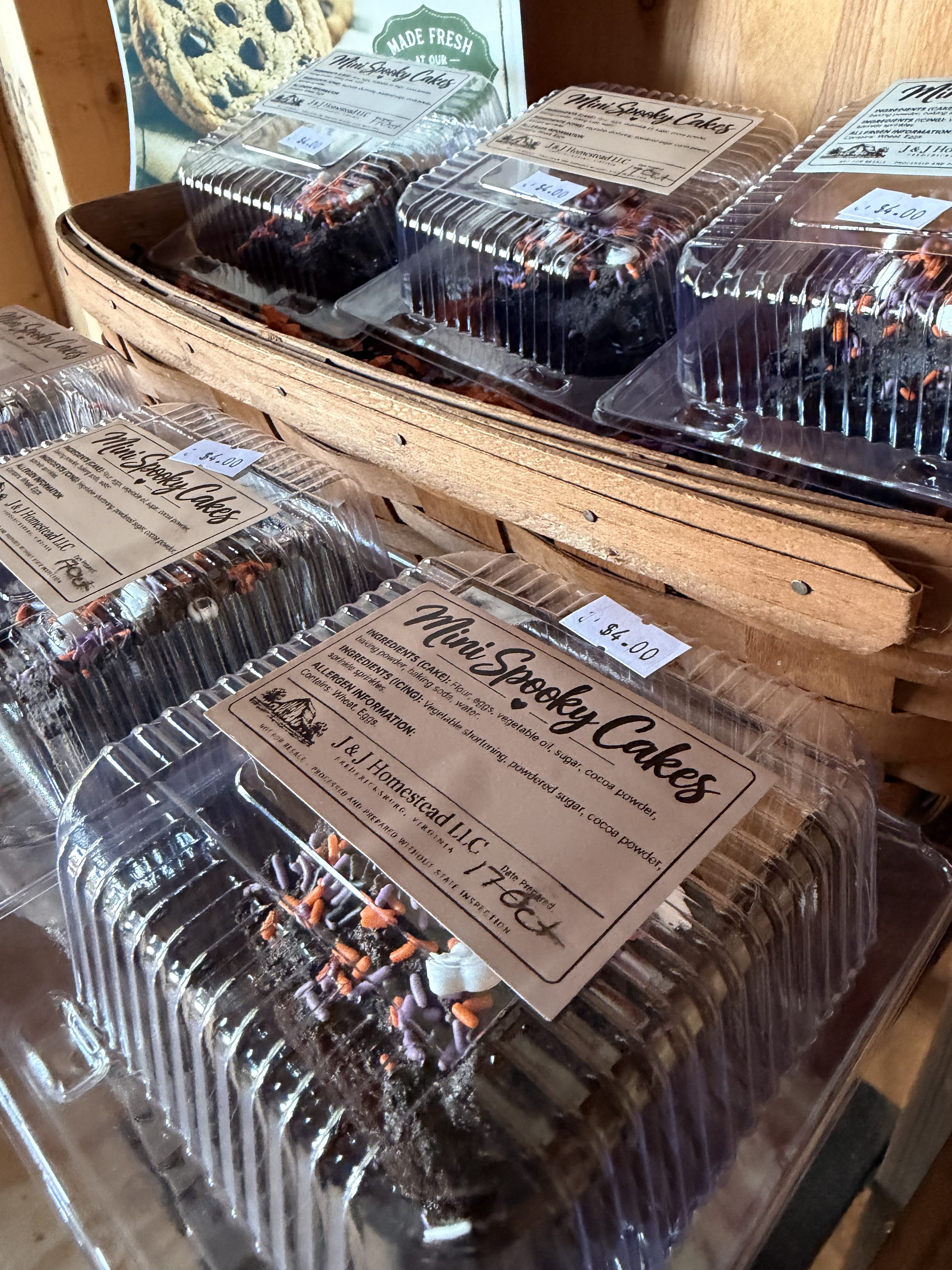
Then baking became a huge part of our little business.
And what a fun surprise that has been!
Now I’m beginning to think about what else we could offer.
And one idea has me particularly excited.
Dahlias!
Oh, how I would love to grow beautiful dahlias and offer fresh-cut flower bouquets at the farmstand!
Can you imagine?
Fresh eggs, homemade cookies, delicious breads, local honey, seasonal vegetables, and beautiful bouquets of freshly cut flowers.
That sounds like a pretty wonderful little farmstand to me!
Of course, there’s just one tiny detail.
We’re probably going to have to double the garden.
Again.
Ha!
If you’ve been following our journey, you know that our garden has already grown considerably over the years.
And apparently, I have absolutely no intention of stopping.
But that’s what makes this adventure so exciting.
Every year brings new ideas, new opportunities, and new skills to learn.
Growing dahlias would be something completely new for us, and I love the thought of learning how to grow, harvest, and arrange beautiful flowers for our customers.
We’ll need to think about planting space, sunlight, soil preparation, irrigation, and selecting varieties that produce wonderful cut flowers.
Here in our Zone 7b growing area, we’ll also need to plan around spring frost dates and decide how to protect or store our dahlia tubers through the winter.
But that’s a project for another day.
Or perhaps another cup of coffee!
Growing a Homestead Business One Season at a Time
One of the most surprising things about starting J & J Homestead has been discovering how much the business continues to evolve.
We started with a dream of sharing a little bit of our homesteading lifestyle with our community.
And somewhere along the way, that dream has grown into something that keeps inspiring new ideas.
There are so many possibilities!
More garden space. New products. Seasonal flowers. New baked goods. Holiday offerings. More opportunities to teach others about homesteading.
Sometimes it feels overwhelming.
But mostly, it feels exciting.
I’ve learned that growing a small homestead business doesn’t necessarily mean doing everything at once.
It means trying something, learning from the experience, and building on what works.
Some ideas will be wonderful successes.
Others might not turn out quite the way we imagined.
And that’s okay, too.
Every experience teaches us something valuable.
The important thing is to keep learning, keep growing, and remember why we started this journey in the first place.
Are We Really Behind? Or Are We Just Living the Homesteading Life?
This brings me back to that thought I had when I realized November had arrived.
We’re behind!
But are we?
The coops are being prepared for winter.
The chickens are growing their new feathers.
The garden is still giving us peppers.
The bees are getting ready for the colder months.
The farmstand continues to evolve.
And we’re already dreaming about the possibilities waiting for us next spring.
When I look at everything we’ve accomplished this year, it’s hard to believe how much has happened.
We’ve raised animals, grown food, cared for bees, expanded our garden, opened a farmstand, learned new baking skills, and shared our experiences with our wonderful community.
And through all of it, we’ve continued to learn.
Maybe that’s the most important part.
Homesteading isn’t about finishing every project or checking every box on a never-ending to-do list.
It’s about building a life that feels meaningful.
It’s about learning to work with the seasons instead of constantly racing against them.
It’s about appreciating the little victories, even when there are a dozen other things waiting for our attention.
And sometimes, it’s about realizing that we’re actually doing a pretty good job.
Even if the to-do list says otherwise!
November Homesteading Chores: What Should Be on Your List?
If you’re heading into November feeling a little overwhelmed, you’re certainly not alone.
This is a wonderful time to focus on the essentials before winter arrives.
| Homesteading Area | November Priorities |
|---|---|
| Chickens and turkeys | Winterize coops, maintain dry bedding, support molting birds, prepare waterers |
| Garden | Harvest remaining vegetables, protect cold-sensitive plants, clean up spent crops |
| Beekeeping | Check food stores, colony health, moisture control, and winter feeding needs |
| Greenhouse | Inspect ventilation, prepare for cold nights, plan winter crops |
| Farmstand | Plan seasonal offerings, holiday products, and next year’s expansion |
| Homestead planning | Review the year, order supplies, and dream about next spring |
And perhaps one more thing belongs on that list.
Take a moment to enjoy what you’ve already accomplished.
Because sometimes, that might be the most important chore of all.
A Fresh Month, A Warm Cup of Coffee, and a Whole Lot to Look Forward To
So here we are.
November.
The temperatures are dropping, the days are getting shorter, and winter is waiting just around the corner.
There will be frozen waterers to deal with, bedding to freshen, chickens to care for, and plenty of chilly mornings ahead.
There will also be wonderful opportunities to slow down, reflect on the year, and dream about everything we want to accomplish next.
And I have a feeling there will be plenty of baking happening in our kitchen, too!
But for now?
I’m going to sit here for just a few more minutes, enjoy this warm cup of coffee, and appreciate the beautiful, busy, wonderfully imperfect life we’ve created.
Because the chores aren’t going anywhere.
And neither are the dreams.

Leave a Reply