

This weekend, we’re focusing our efforts on getting the area where the farmstand will live ready for its move in about a week and a half. There’s ground to clear, space to level, and a bit of imagining to do as we picture customers pulling in, kids peeking over the table, and baskets slowly emptying throughout the week.
But as much as the physical prep matters, we know that moving the stand into place is only half the work. The other half is happening quietly—at the kitchen table, in the greenhouse, and in the margins of notebooks filled with garden sketches and seed lists. Right now, our focus is on planning the garden and making sure we have everything we need to be successful once the growing season truly begins.
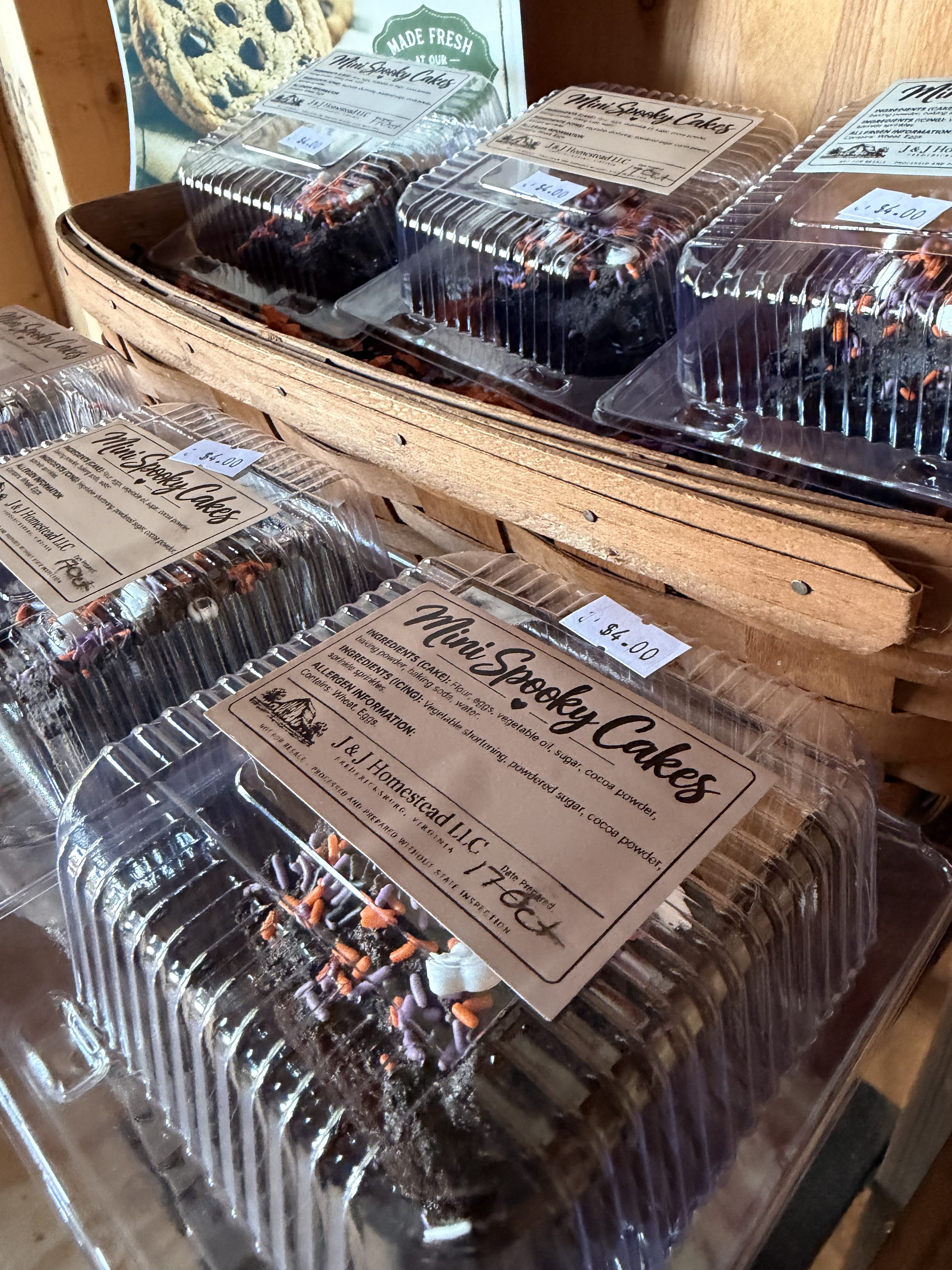
This year, our farmstand will offer a mix of seasonal vegetables, vegetable plants like tomatoes, peppers, and cucumbers, flowers, eggs, poultry upon request, honey, and even some baked goods. And every now and then, you might spot one of my books tucked among the baskets. With so many offerings, it’s become clear that success at the farmstand doesn’t start in spring—it starts now.
Winter Is Where the Real Planning Happens
Winter on the homestead looks quiet from the outside, but it’s one of the most thoughtful seasons of the year. This is when we slow down enough to reflect on what worked, what didn’t, and what we want this coming season to feel like.
Planning the farmstand before the first seed is planted helps us avoid the scramble later. It keeps us from growing too much of one thing and not enough of another. It helps us make decisions with intention instead of exhaustion. Most importantly, it allows us to grow food with purpose—knowing exactly where it’s going and how it will be shared.

Choosing Crops With the Farmstand in Mind
It’s easy to get carried away flipping through seed catalogs in January. Every variety looks promising, and every vegetable feels essential. But over time, we’ve learned that not every garden favorite is a farmstand favorite.
As we plan, we ask ourselves a few simple questions. Will this crop grow well in our Virginia climate? Is it something people actually want to buy week after week? Can we grow enough to make it worth the space it takes up?
Reliable vegetables like tomatoes, peppers, cucumbers, greens, squash, and herbs form the backbone of our planting plan. We stagger plantings to spread out harvests, giving us consistency instead of overwhelm. Seedlings—especially vegetable starts and flowers—are also a big part of our plan. They bring people to the stand early in the season and give gardeners a strong start of their own.
Eggs, honey, and poultry require a different kind of planning. These aren’t things we can rush or scale overnight, so we work within what the homestead can realistically provide. Planning ahead helps us stay honest—with ourselves and with our customers.
Thinking Ahead About How Much to Grow
One of the hardest lessons in farmstand life is figuring out how much is “just right.” Grow too little, and you’re constantly selling out. Grow too much, and you’re left with extra harvest and nowhere for it to go.
Volume planning helps us find that balance. We think about how much we can realistically harvest each week, how much time we have to tend the stand, and how much variety feels manageable. We don’t aim for overflowing tables—we aim for steady, dependable offerings.
Selling out occasionally isn’t a failure. In fact, it often tells us we’re on the right track.
Pricing With Sustainability in Mind
Pricing can feel uncomfortable at first, especially when you care deeply about providing affordable food. But we’ve learned that pricing is about more than covering costs—it’s about sustainability.
Seeds, feed, supplies, utilities, time, and labor all add up. Fair pricing allows the farmstand to support the homestead instead of draining it. It also helps customers understand the value of local food that’s grown and produced with care.
Our goal isn’t to compete with big stores. It’s to offer something different—freshness, transparency, and a connection to where food comes from.
Creating Variety Without Overwhelm
We love the idea of a farmstand that feels abundant and welcoming, but we’re also mindful of our limits. Instead of trying to do everything at once, we plan for:
- Core items that are consistently available
- Seasonal additions as the garden shifts
- Small-batch baked goods and specialty items
This approach keeps things interesting while allowing us to enjoy the process instead of racing through it.
Laying the Groundwork for the Season Ahead
As we prepare the space for the farmstand itself, we’re just as focused on the invisible work—garden maps, seed orders, planting timelines, and pricing notes. All of it is part of the same picture.
Planning now means that when spring arrives, we can spend less time scrambling and more time doing what we love: growing food, caring for animals, and sharing the rhythm of the homestead with our community.
The farmstand isn’t just a place to sell vegetables. It’s a reflection of the season, the planning, and the care that went into every seed planted long before the first harvest ever arrives.

Leave a Reply