

How We Successfully Completed “The Great Chicken Swap” Without Chaos
If you raise backyard chickens long enough, there will come a time when you need to move things around a bit. Whether you are managing multiple coops, strengthening breeding lines, or simply trying to prevent overcrowding, flock integration is one of the most important — and misunderstood — aspects of chicken keeping.
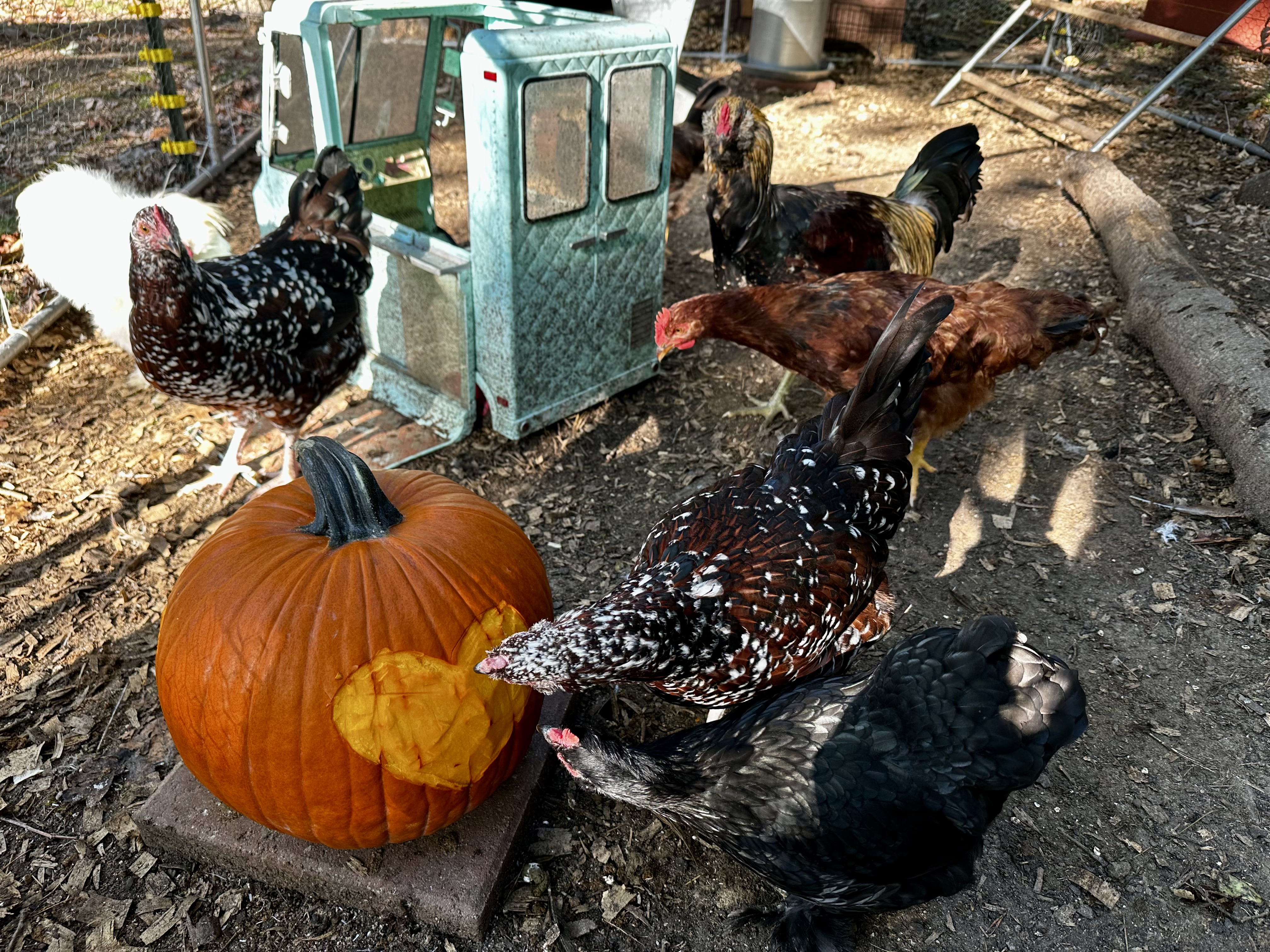
This morning, before sunrise, we carried out what we jokingly called “The Great Chicken Swap.” With three separate chicken runs on our homestead, we’ve been discussing the need to rebalance numbers and maintain quality genetics. Today was the day. In the early hours, we carefully swapped eight hens and one rooster between coops.
It was strategic. It was necessary. And yes — it was an adventure.
Why Preventing Overcrowding in a Chicken Coop Matters
One of the biggest mistakes backyard chicken keepers make is allowing overcrowding in the coop or run. Chickens may tolerate tight quarters for a short period, but long term, it leads to real problems.
Overcrowding increases stress, which directly impacts egg production and overall health. It intensifies competition for feeders and waterers. It raises moisture and ammonia levels in bedding, especially during colder months when ventilation is reduced. Most importantly, limited space can escalate pecking order disputes into feather picking, bullying, and injury.
Healthy chickens require adequate square footage both inside the coop and in the outdoor run. They need room to scratch, dust bathe, forage, and retreat from dominant birds. Space is not just a comfort factor — it is a biosecurity and welfare issue.
By redistributing birds across our three runs, we restored balance. Each flock now has appropriate numbers, better airflow, and reduced social pressure.
Managing Quality Genetics on a Small Homestead
If you hatch your own chicks or maintain multiple breeding groups, flock management becomes more than just numbers. It becomes about genetics.
Introducing chickens into different runs allows us to maintain strong bloodlines while preventing unintended inbreeding. Even small homesteads benefit from intentional breeding decisions. Healthy genetics contribute to stronger immune systems, consistent egg production, better temperament, and overall resilience.
The Great Chicken Swap was not random. It was planned with long-term flock vitality in mind.
Why Early Morning Is the Best Time to Introduce Chickens
Timing is everything when integrating chickens.
We always introduce chickens in the early morning hours, before the flock becomes fully active. Chickens are naturally calmer in low light. Their energy is subdued, and the established pecking order is not yet fully engaged for the day. This reduces the intensity of territorial behavior.
There is also a practical advantage to morning introductions: monitoring.
By moving birds at dawn, we have the entire day to observe interactions. If tensions rise, we can intervene. If one hen struggles to integrate, we can adjust. Waiting until evening may seem convenient, but it limits observation time and increases the risk of overnight conflict.
Early integration sets the tone for a smoother transition.
What to Expect During a Chicken Swap
Introducing chickens to an existing flock rarely happens without some drama. A few squawks. Some side-eye from established hens. A brief chase or two.
That behavior is normal. Chickens have a social hierarchy, and integration requires recalibration of that order. The key is minimizing stressors: adequate space, multiple feeding stations, fresh bedding, and attentive observation.
This morning’s swap had its moments, but overall, the birds settled more quickly than expected. By mid-morning, scratching resumed, dust baths reappeared, and the new normal began to take shape.
Flock Management Is Intentional Work
Backyard chicken keeping often looks peaceful from the outside — fresh eggs, tidy coops, golden sunlight filtering through fencing. But behind that simplicity is intentional management.
Balancing flock numbers. Preventing overcrowding. Protecting genetics. Reducing stress. Monitoring behavior.
The Great Chicken Swap may not be glamorous, but it is foundational. Strong flocks do not happen by accident. They are built through small, thoughtful decisions made consistently over time.
And sometimes, those decisions begin before sunrise, boots crunching across frosted ground, coffee in hand, ready to do what is best for the birds.

Leave a Reply