

When people first start exploring urban homesteading for beginners, they often assume they need land, livestock, and a long list of complicated tools. The truth is much simpler.
Urban homesteading begins with skills.
Not acreage.
Not perfection.
Not a Pinterest-worthy backyard.
Just skills.
If you can grow one plant, cook one meal from scratch, and learn one new practical habit each season, you are already building an urban homestead. Over time, those small skills stack into something surprisingly capable and resilient.
Here are the ten essential skills that will set a strong foundation for any beginner urban homesteader.

The heart of homesteading — urban or rural — is food.
For beginners, that often means container gardening on a balcony, raised beds in a small yard, or herbs in a sunny window. Learning how soil works, how sunlight affects growth, and how often plants truly need water builds confidence quickly.
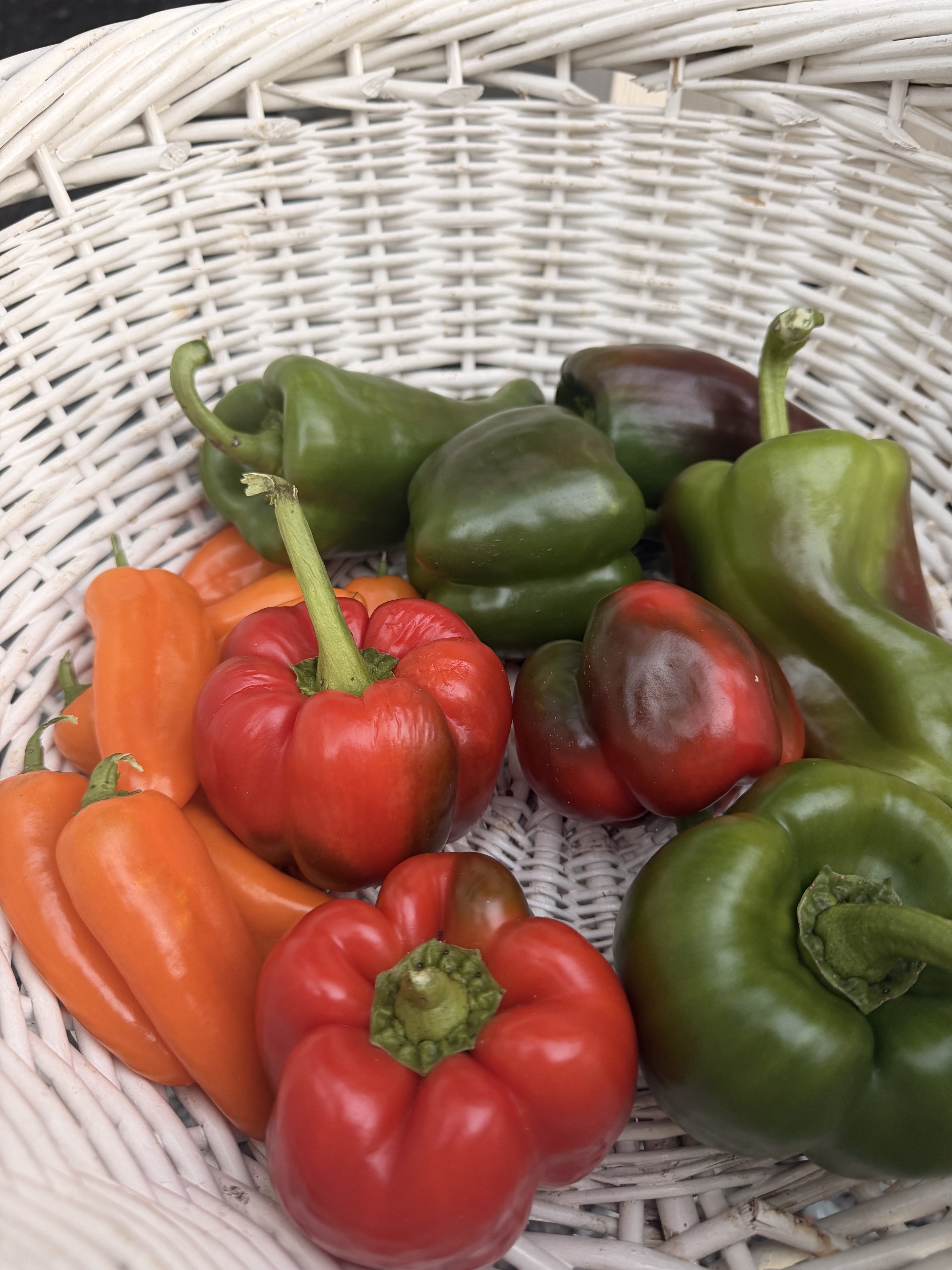
You do not need to grow everything. Start with what you eat most. Lettuce, basil, tomatoes, peppers — these crops are forgiving and productive in small spaces.
If you are new to gardening, your local Cooperative Extension office (search by state through the USDA’s National Institute of Food and Agriculture) offers research-backed growing advice tailored to your region:
Mother Earth News also provides accessible, beginner-friendly gardening guidance:
https://www.motherearthnews.com/
Growing food, even in a few pots, changes how you see your space. It becomes productive. Alive. Purposeful.
♻️ 2. Composting
Once you start growing food, you begin to see waste differently.
Vegetable peels, coffee grounds, and eggshells are not trash — they are future soil. Composting is one of the most practical skills an urban homesteader can learn.
If you have a yard, a small tumbler works well. If you live in an apartment, vermicomposting (worm composting) is an efficient and surprisingly low-odor option. The Environmental Protection Agency provides a clear overview of composting basics:
https://www.epa.gov/recycle/composting-home
🍞 3. Cooking From Scratch
Before you preserve food, before you raise animals, before you expand your garden — you need to know how to cook.
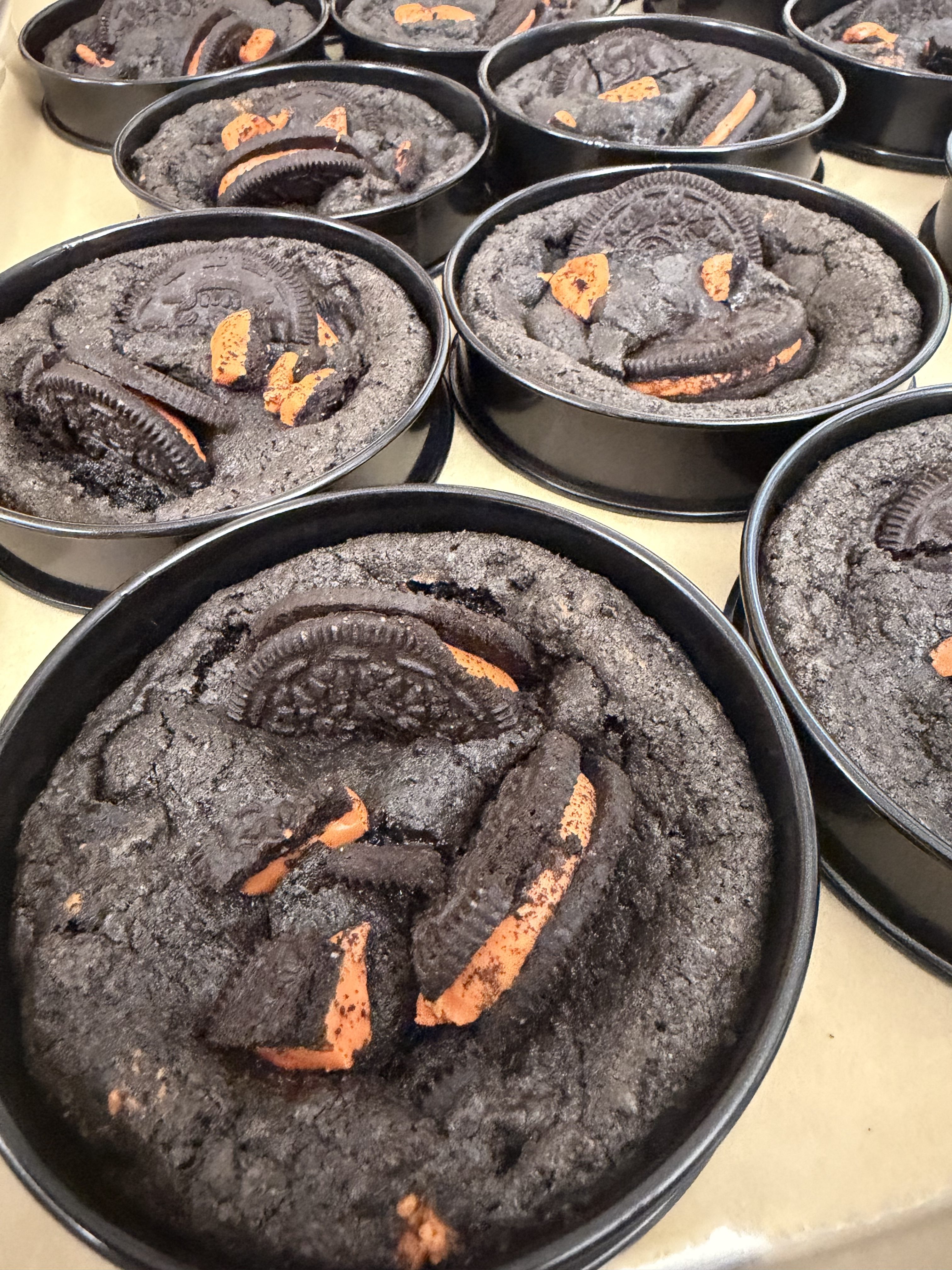
Cooking from scratch is one of the most underestimated homesteading skills. It stretches ingredients, reduces waste, lowers grocery bills, and improves health.
It can start simply:
Roast vegetables instead of buying frozen meals.
Make broth from leftover bones and scraps.
Bake basic bread.
When you learn to cook confidently, you become less dependent on convenience. That independence is at the core of homesteading.
🥫 4. Food Preservation
When you grow or buy seasonal produce in bulk, preserving it for later use extends your harvest and reduces grocery spending. Key preservation skills inclUrban homesteading for beginners often shifts naturally into food preservation. Once you grow or buy produce in season, you realize how abundant and affordable it can be.
Learning safe preservation methods is essential. The National Center for Home Food Preservation provides science-based guidance for canning, freezing, drying, and fermenting:
https://nchfp.uga.edu/
Start small. Freeze chopped herbs. Dehydrate apple slices. Try a beginner water-bath canning recipe.
Preservation teaches patience and planning — two skills every homesteader needs.
🐔 5. Raising Chickens (Where Allowed)
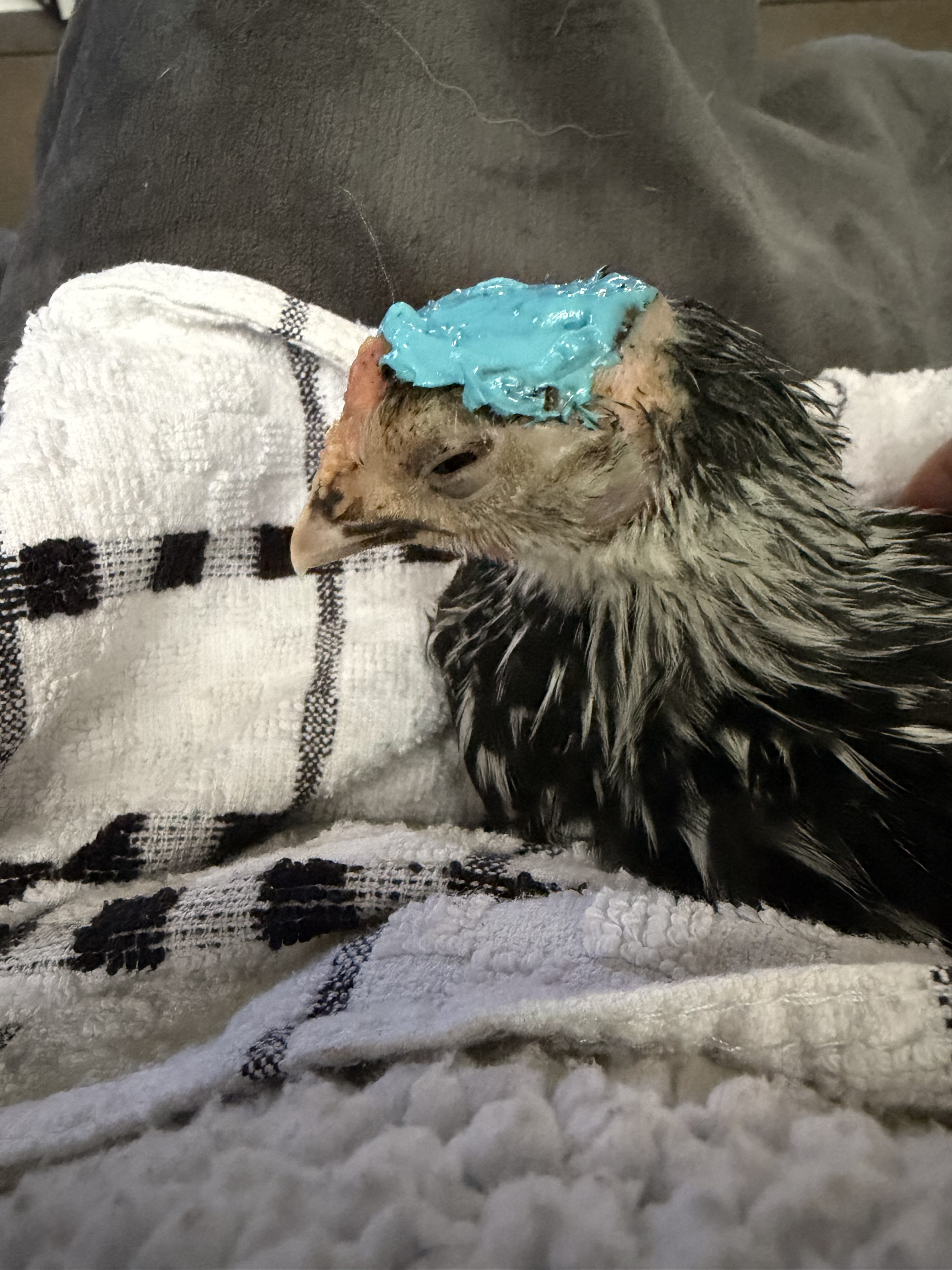
If your local ordinances allow it, keeping backyard chickens can provide fresh eggs and natural fertilizer — and they’re a fun way to connect with your food source. Before diving in, check your city or HOA rules, and plan for secure shelter and daily care.
Learning the basics of poultry care sets you up for more advanced homestead animals later.

🧵 6. Sewing & Mending
Urban homesteading isn’t just about food — it’s about resourcefulness. Learning how to mend clothes, patch fabric, or sew simple items reduces waste, saves money, and builds practical independence.
This skill also opens doors to DIY projects like making reusable bags, aprons, or garden accessories.
🪴 7. Seed Starting & Plant Propagation
Buying plants each season adds up quickly. Learning to start seeds indoors or propagate herbs from cuttings reduces cost and increases control.
Seed starting extends your growing season and gives you access to heirloom or specialty varieties you might not find locally.
University extension programs frequently publish excellent seed-starting guides. For example, Penn State Extension provides detailed, research-based resources:
https://extension.psu.edu/
This skill feels small at first, but it is powerful. It shifts you from consumer to cultivator.

💡 8. DIY Household & Repair Skills
Basic DIY skills — like simple carpentry, tool use, or household fixes — help you manage and build functional aspects of your urban homestead. From building a raised bed to repairing a fence, these practical skills reduce dependency on contractors and save money over time.
Even simple projects, like building a wooden planter box or reinforcing a shed, boost confidence and capability.
🍵 9. Herbal & Natural Remedies
Urban homesteading often includes a shift toward natural wellness — growing herbs, making simple teas, and understanding basic plant uses.
Before experimenting, it is important to rely on evidence-based information. The National Center for Complementary and Integrative Health provides research summaries on herbs and supplements:
https://www.nccih.nih.gov/
Growing chamomile, mint, or lemon balm is a gentle entry point into herbal awareness without overcomplicating things.
📚 10. Community & Self-Directed Learning
Lastly, building a learning mindset and community support network is essential. Urban homesteading thrives when shared — learning with others, attending workshops, visiting community gardens, and tapping into books and online resources helps you grow faster and smarter.
Urban homesteading is a journey, and the skills you choose to focus on will evolve over time. Connecting with local gardeners, homesteading groups, and online communities enriches your experience and keeps you inspired.
🌿 Putting It All Together
Every homesteader’s journey looks different — some focus on growing food, others on cooking or DIY home projects, and many blend multiple skills over time. The key is this: start small, choose skills that align with your space and lifestyle, and build confidence with each success.
Urban homesteading is not about perfection — it’s about participation, growth, and learning.


Leave a Reply