

There is something exciting about bringing a new animal onto the homestead. Tomorrow is a big day for us at J & J Homestead—we are picking up our turkey hens. While we are incredibly excited to welcome them, today is all about preparation. Turkeys require a little different setup than chickens, and making sure their roosting area and run are ready before they arrive is essential for keeping them safe, comfortable, and healthy.
Like many homestead projects, the reality is that there is still a lot to do before pickup. Roosts need to be finished, the run needs a final inspection, and we want everything ready so the turkeys can settle in immediately when they arrive. Proper preparation can make the difference between stressed birds and birds that transition smoothly into their new home.
If you are planning to add turkeys to your homestead, here are some key considerations for creating a safe, comfortable turkey roosting area and run.
Why Turkeys Need a Different Setup Than Chickens
Many homesteaders assume that turkeys can simply live in a standard chicken coop, but turkeys have different needs. They are larger birds, require more space, and often prefer higher roosting areas.
Turkeys also tend to be more susceptible to damp conditions and respiratory problems, which means ventilation, cleanliness, and dry bedding are extremely important. Taking the time to prepare their environment before they arrive helps prevent stress and illness.
Build Strong, Wide Roosts
Turkeys are significantly heavier than chickens, so their roosts need to be sturdy and properly sized.
A good turkey roost should:
- Be strong enough to support their weight
- Use wide boards (2x4s laid flat) so their feet are fully supported
- Be positioned 18–24 inches off the ground for easier access
- Provide at least 18 inches of roost space per bird
Unlike chickens, turkeys prefer stable, wide surfaces rather than narrow perches. A flat roost allows them to rest comfortably while covering their feet with their feathers during colder weather.
Provide Plenty of Space
Turkeys need more room than chickens both inside their shelter and in the run.
Recommended space guidelines include:
- 8–10 square feet per turkey inside the coop
- 75–100 square feet per turkey in the outdoor run
Giving turkeys enough room helps prevent aggression and keeps their environment cleaner.
Prioritize Predator Protection
Turkeys may be large birds, but they are still vulnerable to predators. A secure setup is critical, especially at night.
Important predator-proofing measures include:
- Hardware cloth instead of chicken wire
- Covered runs to prevent aerial predators
- Secure latches on doors
- No gaps larger than a few inches along the bottom of fencing
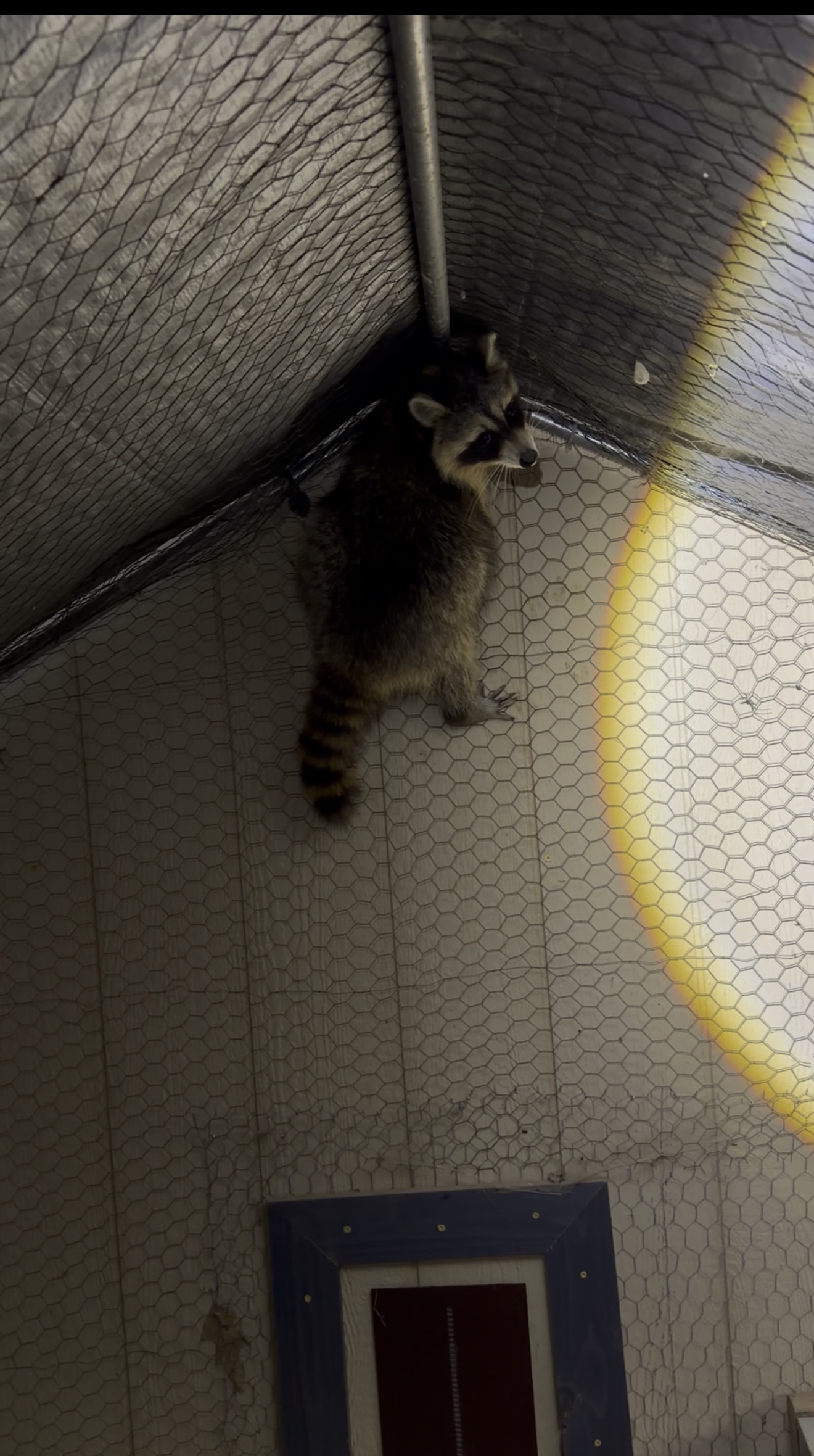
In Virginia, common threats include raccoons, foxes, coyotes, hawks, and owls. Making sure the run is secure before the birds arrive prevents problems later.
Ensure Excellent Ventilation
Turkeys are sensitive to poor air quality. Their coop should have good airflow without drafts directly on the birds.
Proper ventilation helps:
- Reduce moisture buildup
- Prevent respiratory issues
- Keep bedding dry
- Maintain healthy air quality
High vents near the roofline are often the best way to allow airflow while keeping birds comfortable.
Keep the Ground Dry
Turkeys struggle in muddy environments. Wet ground can lead to disease and foot problems.
To keep their run dry:
- Add wood chips, sand, or straw in high-traffic areas
- Ensure proper drainage
- Avoid low areas where water collects
- Rotate areas if possible
A dry run helps keep birds healthy and greatly reduces odor and cleanup.
Plan for Easy Feeding and Watering
Turkeys can be surprisingly messy eaters and drinkers, so feeders and waterers should be placed thoughtfully.
Helpful tips include:
- Elevate feeders slightly to reduce waste
- Use sturdy containers that cannot be tipped
- Provide clean water at all times
- Place feeding stations where they stay dry during rain
Since turkeys grow quickly and consume more feed than chickens, larger feeders are often necessary.
Give Them Time to Adjust
When the turkeys arrive tomorrow, the goal will simply be to get them settled. New birds often need time to adjust to their environment before they begin exploring confidently.
Keeping the environment calm and consistent during the first few days helps them learn where to:
- Roost
- Eat
- Drink
- Return at night
Once they settle in, their personalities will quickly begin to show.
Another Step Forward for the Homestead
Every new addition to the homestead brings new lessons. Turkeys are known for being curious, social, and sometimes downright entertaining birds. Preparing their space ahead of time ensures that when they arrive tomorrow, they will step into a home that is ready for them.
Today may be filled with last-minute work—finishing roosts, double-checking fencing, and preparing the run—but those efforts will pay off once the turkeys arrive and settle into their new space.
Adding turkeys is another exciting chapter for J & J Homestead, and we cannot wait to see how they become part of the rhythm of the farm.

Leave a Reply