
When Spring Hits… So Does Broodiness
Over the past week here at J & J Homestead, we’ve had a stretch of warm, sunny days—and like clockwork, a couple of our hens have decided it’s time to become mothers.
If you’ve been raising chickens for any length of time, you know exactly what that means: broody hens.
While broodiness is completely natural, it’s not something we encourage on our homestead. With a farmstand to stock and customers counting on fresh eggs, every hen matters when it comes to production. So when a hen decides to stop laying and start sitting, we step in quickly and intentionally.
What Is a Broody Hen?
A broody hen is a chicken that has entered a hormonal state where she is determined to hatch eggs—whether those eggs are fertilized or not.
Common Signs of Broodiness:
- Sitting on eggs for extended periods (all day and night)
- Puffing up and becoming defensive when approached
- Growling, pecking, or vocalizing when disturbed
- Refusing to leave the nesting box
- Plucking breast feathers to create direct contact with eggs
This instinct is driven by hormones, not logic—so even without a rooster, a hen may fully commit to sitting on a clutch that will never hatch.
Why Broodiness Can Be a Problem
While it might seem harmless—or even charming—broodiness comes with real downsides, especially on a working homestead.
1. Loss of Egg Production
A broody hen stops laying eggs entirely. If multiple hens go broody at once, it can significantly impact your daily egg count and farmstand supply.
2. Declining Health Over Time
Broody hens often:
- Eat and drink less
- Lose weight
- Become dehydrated
- Neglect normal behaviors like dust bathing and socializing
Left unchecked, prolonged broodiness can weaken a hen and make her morevulnerable to illness and parasites. Last year we lost my favorite bantam cochin because her broodiness took too long to be resolved and it made her more susceptible to illness.
3. Increased Stress on the Flock
A broody hen can disrupt nesting box access for other hens, leading to:
- Broken eggs
- Hens laying in undesirable locations
- Increased tension within the flock
Our Method: Safely Breaking Broodiness
On our homestead, we take a proactive approach. Once we identify a broody hen, we act quickly to gently interrupt the cycle.
The “Broody Breaker” Setup
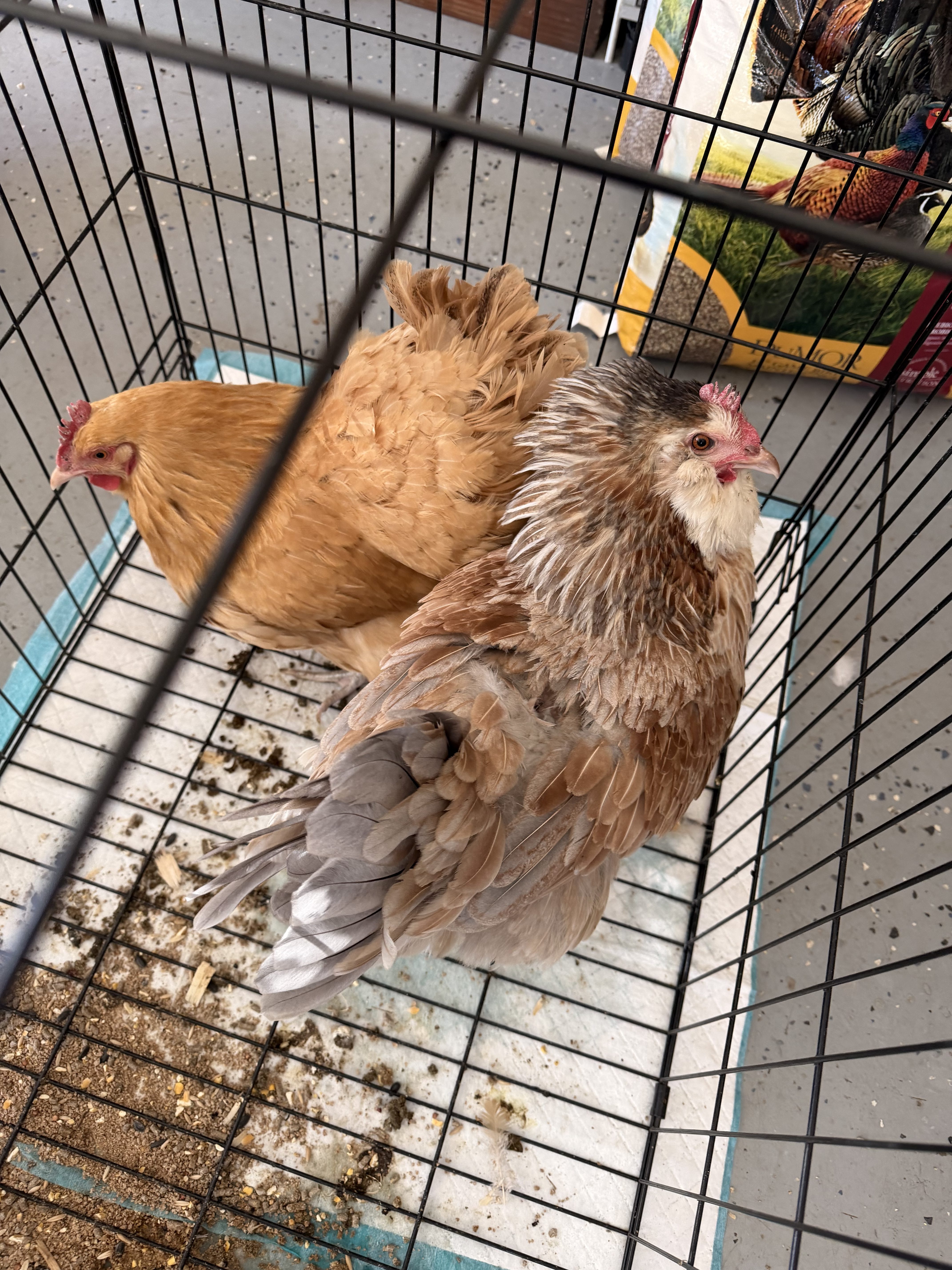
We separate the hen and place her in an upturned dog crate that allows her to:
- Stand and move comfortably
- Avoid settling into a nesting position
- Stay slightly elevated off the ground
This setup serves two important purposes:

1. Prevents Comfortable Nesting
Without a cozy, enclosed nesting space, the hen cannot continue reinforcing her broody behavior.
2. Encourages Cooling Airflow
By raising the crate, airflow circulates beneath her body. This helps lower her body temperature, which plays a key role in breaking the hormonal cycle of broodiness.
How Long We Use This Method
We typically keep broody hens in this setup for about four days, monitoring them closely to ensure they:
- Are eating and drinking normally
- Remain alert and active
In most cases, this is enough to “reset” the hen, and she returns to her usual routine shortly after.
Why Timing Matters
The sooner you address broodiness, the easier it is to break. Waiting too long allows the behavior to become more deeply ingrained, making it harder on both you and the hen.
We’ve found that acting within the first day or two of noticing the signs leads to the quickest and most effective results.
A Balanced Approach to Homesteading
There’s nothing wrong with allowing a hen to hatch chicks if that aligns with your goals. In fact, it can be a beautiful and rewarding process.
But for us at J & J Homestead, where egg production supports our farmstand and community, managing broodiness is part of maintaining a healthy, productive flock.
It’s one of those small, practical decisions that keeps everything running smoothly—both for our animals and for the people who rely on what we produce.
Final Thoughts
Broody hens are a natural part of raising chickens, especially as the weather warms up. Understanding what’s happening—and having a simple, effective plan—makes all the difference.
With a little observation, timely action, and a humane approach, you can keep your hens healthy, your egg basket full, and your homestead running just the way you need it to.


Leave a Reply