


When One Hen Decides She’s Done Laying… and Ready to Be a Mama
If you’ve ever opened your coop and thought, “Why is she still in there?”—you’re not alone.
One day your hen is laying eggs like normal, and the next, she’s parked in the nesting box like she pays rent there. She’s puffed up, a little grumpy, and suddenly has very strong opinions about you reaching for those eggs.
Chances are… you’ve got a broody hen.
Around here, broodiness tends to show up right when everything else is picking up speed—spring planting, chicks arriving, garden going in. It’s just part of the rhythm of the homestead.
Let’s walk through what it looks like, in real life.
So… What Is a Broody Hen?
A broody hen is simply a chicken that has decided she wants to hatch eggs.
It doesn’t matter if the eggs are fertilized or not—her instincts are telling her it’s time to sit, incubate, and eventually raise chicks. And once that switch flips, she is committed.
The First Sign You’ll Notice: She Won’t Leave the Nest
This is usually how it starts.
You go to collect eggs, and there she is… sitting.
You come back later—still sitting.
That evening? Still there.
A broody hen will stay in the nesting box almost all day and even overnight. She might hop off once or twice to eat and drink, but she’s not interested in anything else going on in the run.
If you gently move her, she’ll likely head right back as soon as she can.
She Gets a Little… Spicy
Even your sweetest hen can turn into a tiny feathered dragon when she’s broody.
Instead of her usual calm self, you might notice:
- Puffing up her feathers to look bigger
- A low growl or warning cluck
- A quick peck if you get too close
It always catches people off guard the first time. One minute she’s your favorite layer, the next she’s guarding that nesting box like it’s Fort Knox.
The “Broody Cluck” Is Different
You’ll start to recognize it once you hear it.
It’s not the usual happy chicken chatter—it’s deeper, slower, and a little more serious. Almost like she’s having a conversation with the eggs.
It’s her way of saying, “These are mine. I’ve got this.”
She Spreads Out Like a Pancake
When a hen is broody, she doesn’t just sit—she settles in.
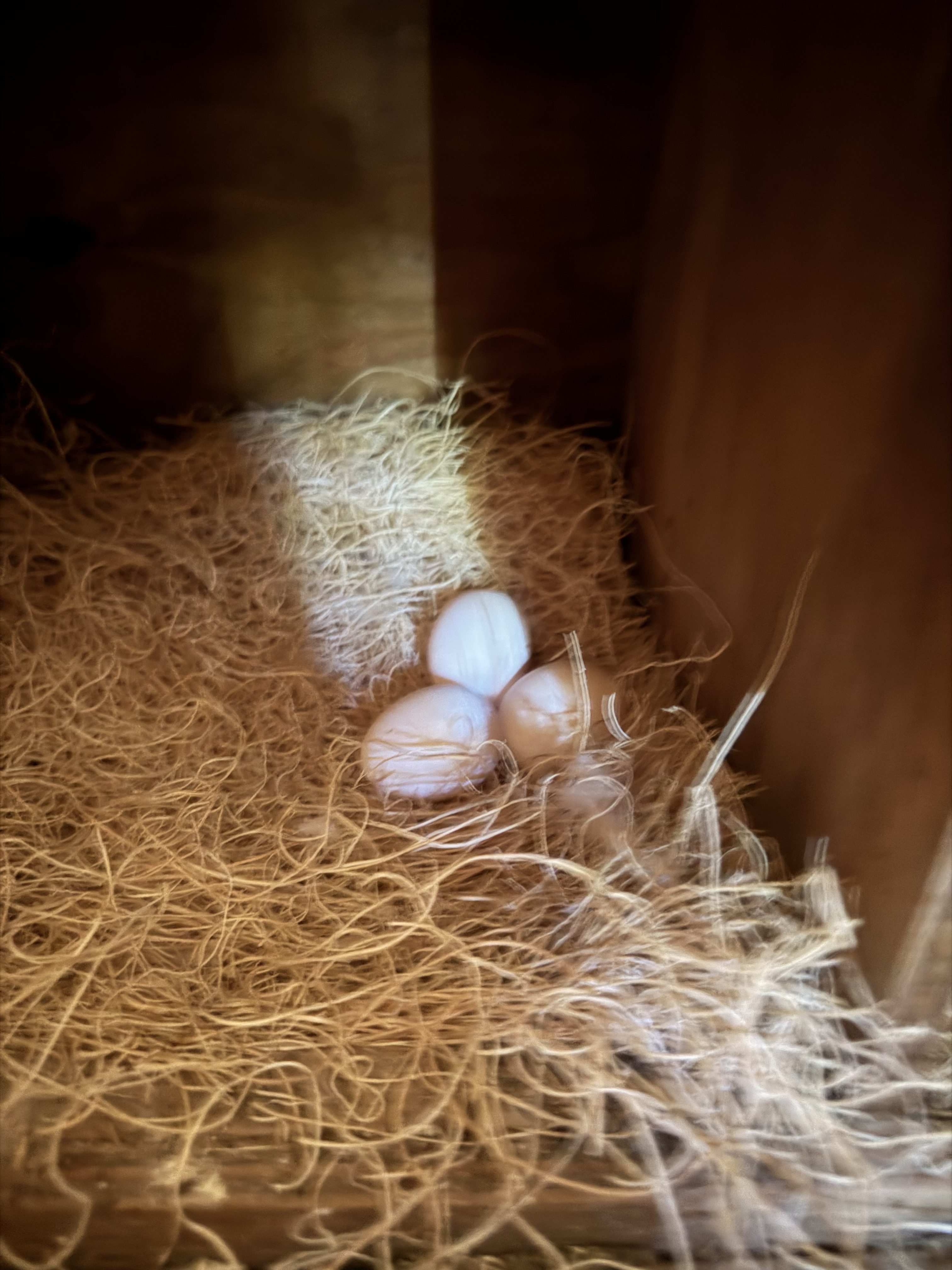
She’ll flatten her body low over the nest, spreading out her feathers to cover as many eggs as possible. It’s all about keeping them warm and protected.
If you peek underneath, you’ll often find her tucked in tight, completely focused.
You Might Notice Missing Feathers
This one can look a little alarming if you don’t expect it.
Broody hens will often pluck feathers from their chest to create what’s called a brood patch. It’s a bare area of skin that helps transfer body heat directly to the eggs.
It’s completely natural—and actually a sign she’s fully committed to the job.
And Then There’s… the Poop
No one talks about this enough, but you’ll definitely notice it.
Because she stays on the nest so much, a broody hen holds everything in. When she finally gets up, she leaves behind a very large, very noticeable dropping.
It’s not glamorous—but it’s one of the clearest signs you’ve got a broody girl.
A Simple Way to Be Sure
If you’re still not quite certain, try this:
Gently lift her out of the nesting box and set her down.
- If she wanders off, scratches around, and goes back to normal → she’s probably not broody
- If she turns around and heads straight back to the nest → you’ve got your answer
What This Means for Your Homestead
A broody hen can change your routine a bit.
She’ll stop laying eggs, and she’ll take up valuable nesting box space—which can matter when you’ve got a busy laying flock.
But at the same time, she can also be one of the most helpful “tools” on the homestead.
A determined broody hen can:
- Hatch eggs naturally
- Raise chicks without a brooder
- Teach you a whole new side of chicken keeping
It really comes down to your goals for the season.
When You’re Most Likely to See It
Broodiness usually shows up in:
- Spring
- Early summer
Right when the days get longer and everything starts growing again. It’s nature’s way of saying, “It’s time for the next generation.”
Final Thoughts: It’s Actually a Good Sign
As inconvenient as broodiness can feel sometimes, it’s also a really good sign.
It means your hens feel:
- Safe
- Comfortable
- Settled enough to follow their natural instincts
And that’s something to be proud of.
On a working homestead—especially one as full as yours—these little moments are reminders that everything is functioning the way it should.

Leave a Reply