

Backyard homesteading for beginners often starts with a simple idea—and sometimes, a single pot on a back patio.
That’s exactly how our journey began. A few containers filled with herbs like basil, rosemary, and sage. Before long, we added cherry tomatoes. What started as a small patio garden slowly grew into something more meaningful, more productive, and more intentional. Over time, that little space evolved into what we now call J & J Homestead.
But here’s the truth: homesteading isn’t about how much land you have—it’s about the mindset you bring to the space you already own.
Whether you have a backyard, a balcony, or just a sunny windowsill, you can begin your homesteading journey today.
What Is Backyard Homesteading?
Backyard homesteading is the practice of growing, raising, and producing your own food and resources at home—on a scale that fits your lifestyle.
It can include:
- Growing fruits, vegetables, and herbs
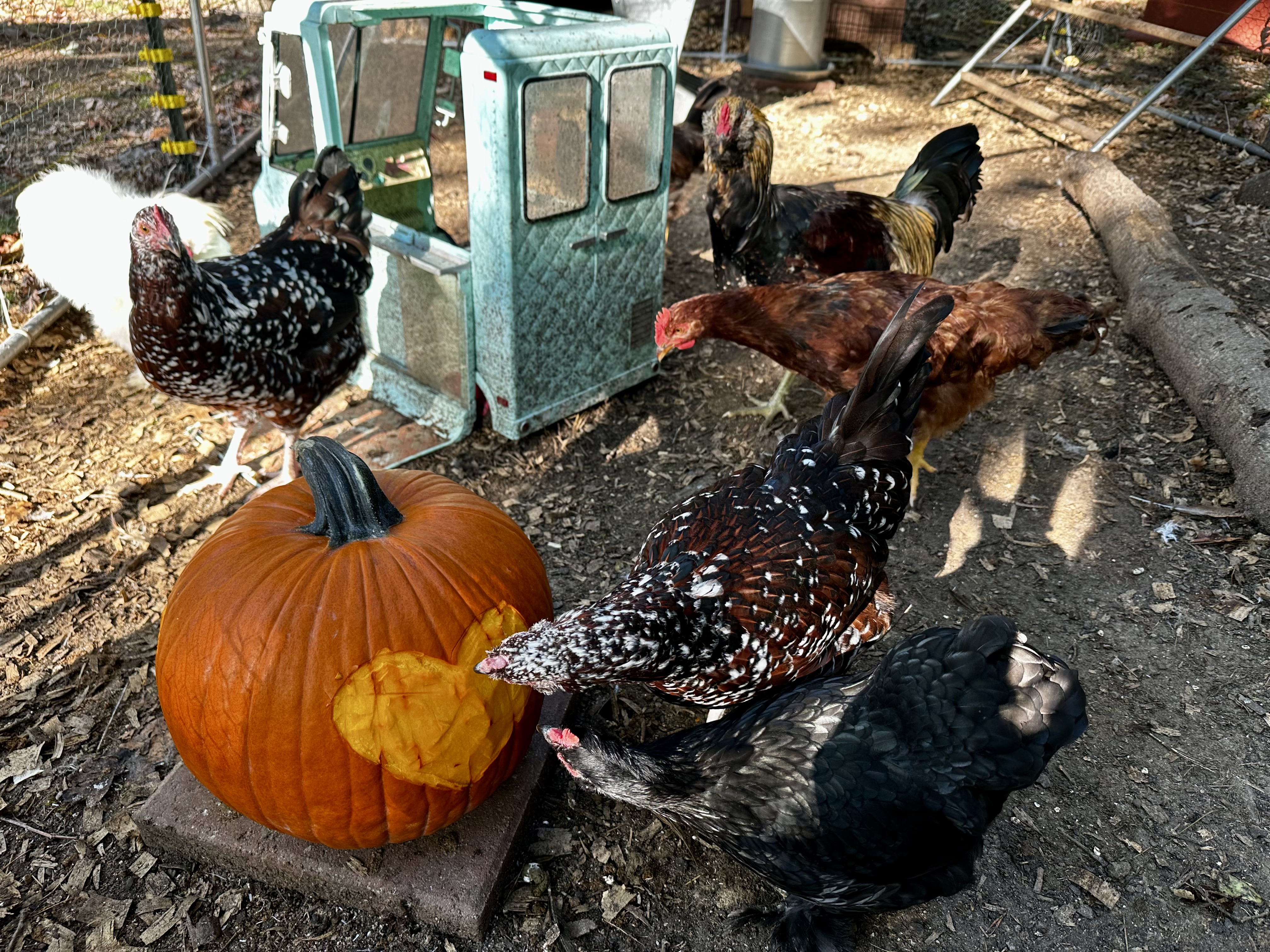
- Raising small livestock like chickens
- Composting and reducing waste
- Preserving food through canning or dehydrating
- Producing homemade goods like bread, soaps, or herbal remedies
At its core, backyard homesteading is about self-sufficiency, sustainability, and intentional living.
Why Backyard Homesteading Is Perfect for Beginners
One of the biggest misconceptions about homesteading is that you need acres of land, expensive equipment, and years of experience.
You don’t.
Backyard homesteading allows you to:
- Start small and scale over time
- Learn through hands-on experience
- Reduce grocery costs
- Improve food quality and nutrition
- Build a deeper connection to your food and environment
For beginners, it’s the most approachable way to step into the homesteading lifestyle without becoming overwhelmed.
How to Start Backyard Homesteading (Even in Small Spaces)
1. Start with a Container Garden
If you’re just getting started, follow the same path we did—begin with containers.
Easy starter plants include:
- Basil
- Rosemary
- Mint
- Lettuce
- Cherry tomatoes
Container gardening is perfect because it:
- Requires minimal space
- Is easy to manage
- Helps you learn plant care basics
Over time, you can expand into raised beds or in-ground gardening.
2. Grow What You Actually Eat
One of the biggest beginner mistakes is planting everything.
Instead, focus on what your family already enjoys:
- Tomatoes for salads and sauces
- Herbs for cooking
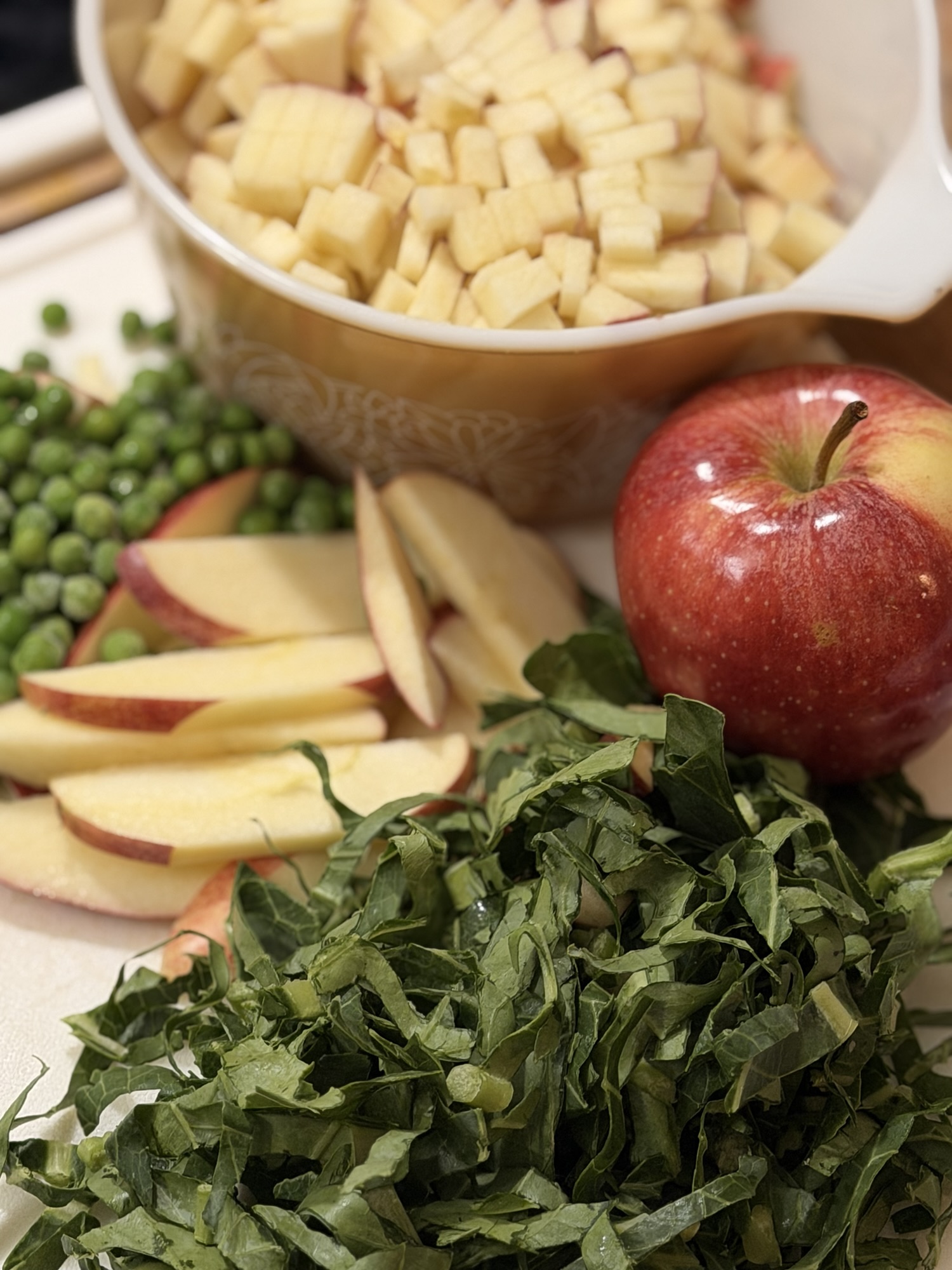
- Leafy greens for daily meals
This ensures your garden is both useful and sustainable.

3. Build Soil Health First
Healthy soil is the foundation of any successful homestead.
Start by:
- Adding compost
- Using organic matter like leaves or grass clippings
- Avoiding synthetic chemicals
Good soil leads to stronger plants, better yields, and fewer problems over time.
4. Consider Backyard Chickens
If your space and local regulations allow, chickens are one of the best additions to a backyard homestead.
Benefits include:
- Fresh eggs daily
- Natural pest control
- Compost enrichment through manure
Even a small flock of 3–6 hens can make a big difference.

5. Learn Basic Food Preservation
Backyard homesteading isn’t just about growing food—it’s about making it last.
Beginner-friendly methods:
- Freezing fruits and vegetables
- Dehydrating herbs
- Simple water bath canning
Preservation helps reduce waste and extends your harvest throughout the year.
6. Reduce Waste and Reuse Resources
A true homestead mindset focuses on using what you already have.
Simple ways to start:
- Compost kitchen scraps
- Collect rainwater (where permitted)
- Repurpose containers for planting
These small habits create a more sustainable and cost-effective system.
The Homesteading Mindset: Start Where You Are
If there’s one lesson we’ve learned, it’s this:
Homesteading is not about land—it’s about intention.
You don’t need a farm to live a more self-sufficient life. You just need the willingness to:
- Learn as you go
- Start small
- Stay consistent
Your version of homesteading might look completely different from someone else’s—and that’s exactly how it should be.
Common Mistakes to Avoid
As you begin your backyard homesteading journey, keep these in mind:
- Starting too big too fast → Begin small and scale up
- Ignoring your climate zone → Choose plants suited for your area (Zone 7b is ideal for a wide variety of crops)
- Not planning for time → Even small systems require consistency
- Overcomplicating things → Keep it simple, especially at the start
Backyard Homesteading Ideas to Try This Season
Looking for inspiration? Here are a few beginner-friendly ideas:
- Start a patio herb garden
- Build a small raised bed
- Grow tomatoes and peppers
- Add a compost bin
- Try making homemade bread or jam
- Plant pollinator-friendly flowers for bees
Each step brings you closer to a more self-sufficient lifestyle.
Final Thoughts: Your Homestead Can Start Today
Backyard homesteading for beginners doesn’t require perfection—it just requires a starting point.
For us, it was a few containers on a patio.
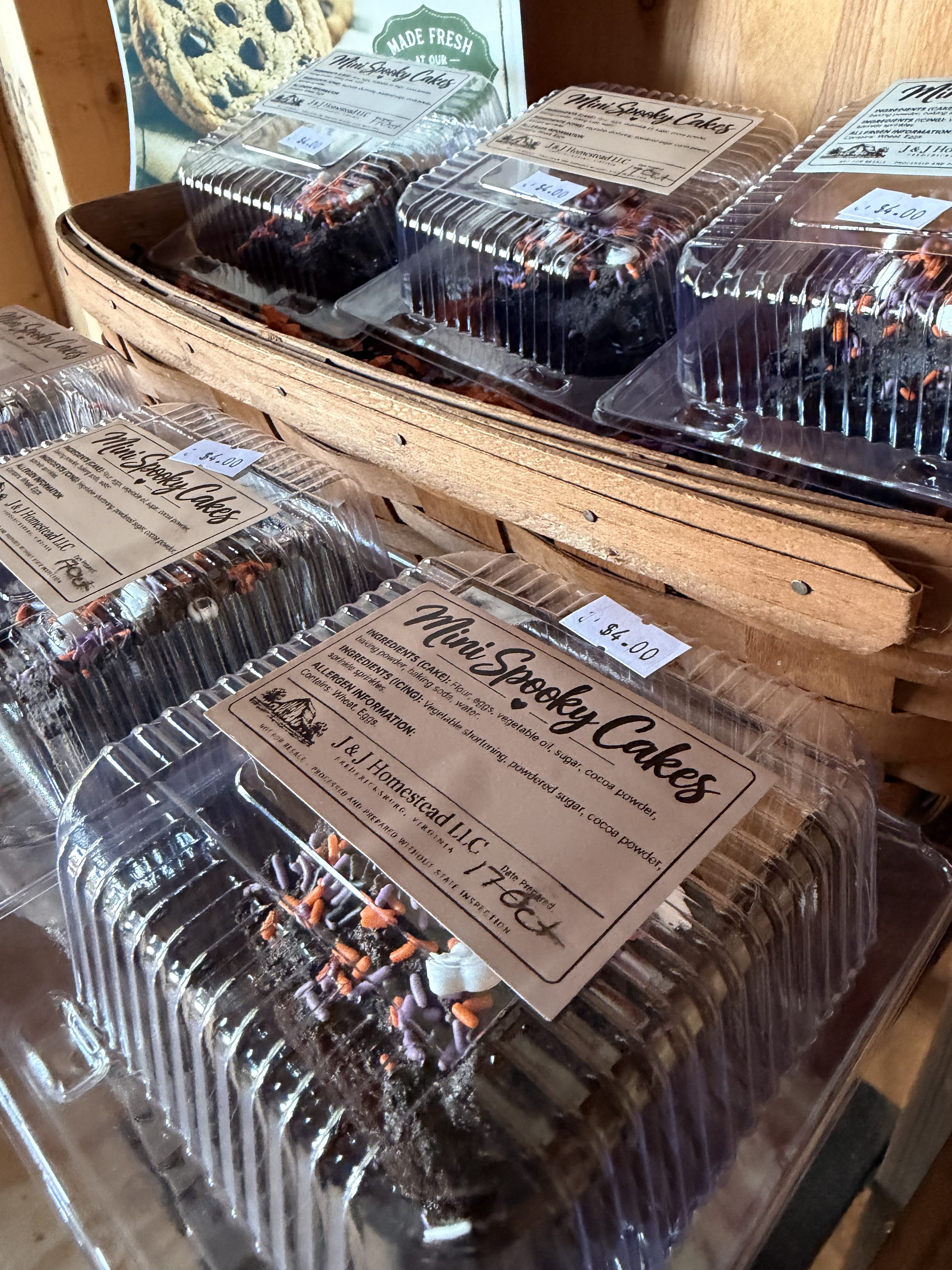
Today, it’s a thriving homestead filled with chickens, bees, gardens, and a farmstand. But every bit of it grew from those small, intentional beginnings.
And yours can too.
Start with what you have.
Grow what you can.
Learn as you go.
Because homesteading isn’t about where you begin—it’s about the life you build along the way.

Leave a Reply