
Honest Lessons About Growth Rates, Health Challenges, and the Emotional Side of Raising Meat Birds
If you had asked me a few years ago whether I would ever raise meat birds on our homestead, I probably would have hesitated. Like many people who start homesteading, we began with laying hens, a garden, and dreams of becoming a little more self-sufficient. Meat birds felt like a completely different world — one that honestly intimidated me.
Then came our first batch of Cornish Cross chickens.
I had read the articles, watched the videos, and thought I understood what to expect. But there are some things that you simply do not fully understand until you experience them yourself. Raising Cornish Cross chickens has been one of the most rewarding, heartbreaking, educational, and emotionally complicated parts of our homesteading journey.
If you are considering raising Cornish Cross chickens for meat, these are the honest lessons I wish someone had told me before we started.
What Are Cornish Cross Chickens?
Before diving into the lessons learned, it helps to understand what makes Cornish Cross chickens different from traditional backyard chickens.
Cornish Cross chickens are specifically bred for rapid growth and meat production. Unlike heritage breeds or dual-purpose chickens, these birds are designed to convert feed into body weight extremely efficiently. In many cases, they can reach processing weight in as little as 8–10 weeks.
That growth rate is both impressive and, at times, difficult to witness.
I Was Not Prepared for How Fast They Grow
This is probably the biggest shock for most first-time meat bird owners.
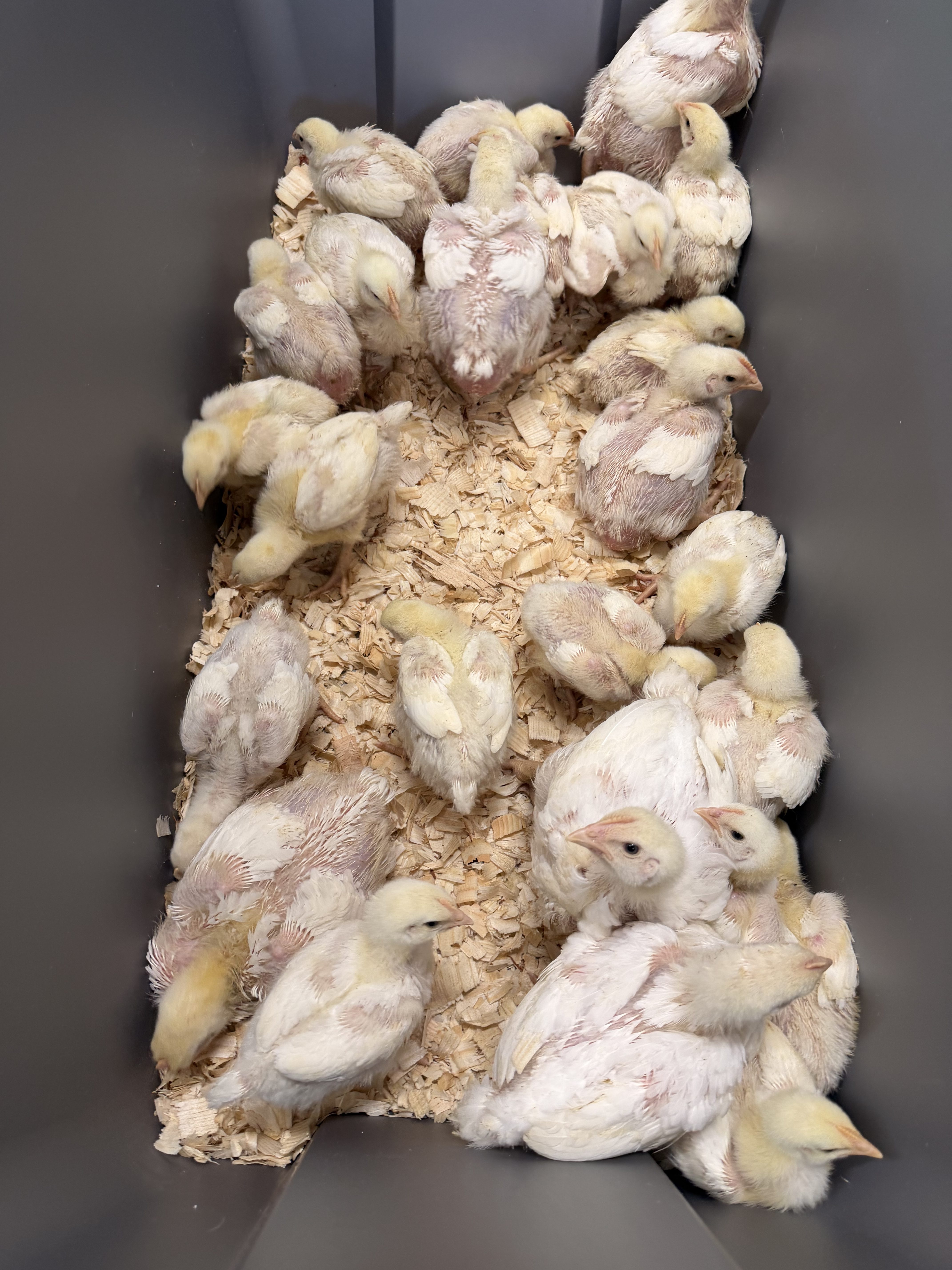
One week, your chicks look like fluffy little babies. The next week, they already seem twice the size. By week six, it almost feels unreal.
The speed of their growth is astonishing.
We currently have two batches of Cornish Cross birds on the homestead, separated by only about a week in age. The difference between them is incredible. It truly drives home just how rapidly these birds mature.
At first, it feels exciting. You can almost watch them grow overnight. But eventually, that rapid growth also becomes concerning because their bodies sometimes struggle to keep up.
That is something I wish I had emotionally prepared for ahead of time.
Cornish Cross Chickens Are Not Like Regular Chickens
One mistake many new homesteaders make is assuming they can manage Cornish Cross chickens exactly like laying hens.
They are completely different animals in terms of management and care needs.
Cornish Cross birds:
- Eat constantly
- Gain weight extremely fast
- Rest far more than traditional breeds
- Are more prone to leg issues
- Can develop heart and respiratory problems
- Require careful feeding management
They simply are not built for long-term life the way heritage breeds are.
Our laying hens spend their days scratching, exploring, and running around their enclosed runs. Cornish Cross birds are much more food-focused. If left unmanaged, they can literally eat themselves into health problems.
That was difficult for me at first because my instinct is always to nurture animals by offering more food and more comfort. With Cornish Cross chickens, balance becomes critically important.
Feed Management Matters More Than I Expected
One of the biggest lessons we learned very quickly was that unrestricted feeding can create serious problems.
Many experienced meat bird owners use scheduled feeding rather than free feeding once the chicks are older. This helps slow growth slightly and reduces stress on their developing legs, lungs, and hearts.
We also learned that protein levels, clean water, electrolytes, vitamins, and overall nutrition quality make a huge difference.
The healthier we keep them overall, the fewer issues we tend to see.
That said, even with excellent care, losses can still happen.
Sudden Losses Can Happen — Even When You Do Everything Right
This is the part nobody really prepares you for emotionally.
Cornish Cross chickens are genetically designed for rapid meat production. Unfortunately, that can come with health complications.
Sometimes birds die suddenly.
Sometimes they develop mobility issues despite your best efforts.
Sometimes one that looked perfectly healthy the day before is suddenly gone the next morning.
That can feel devastating when you are caring for them every single day.
I think many people assume that because these are “meat birds,” the emotional connection is different. But the truth is, you still care deeply for them. You still spend weeks raising them, protecting them, and trying to give them the best life possible.
Losses still hurt.
The Emotional Side of Raising Meat Birds Is Real
This may be the hardest lesson of all.
When we first started raising Cornish Cross chickens, I thought the practical side would be the difficult part — the feed schedules, the health management, the processing timeline.
What surprised me most was the emotional complexity.
You know from the beginning what these birds are being raised for. That is never hidden from yourself or your family. But that does not mean you stop caring about them.
In fact, I would argue that ethical homesteading requires caring deeply.
It means ensuring they have clean bedding, fresh water, nutritious feed, protection from predators, and as much comfort as possible during their short lives. It means paying attention when something seems off. It means learning continuously so you can do better each season.
For us, raising meat birds has created a deeper respect for where food comes from and the responsibility that comes with producing it ourselves.
Cornish Cross Chickens Can Still Have Happy Lives
One misconception I often see online is that Cornish Cross chickens are miserable by default.
That has not been our experience.
Are they different from heritage breeds? Absolutely.
But with proper care, clean housing, good airflow, fresh bedding, quality feed, and attentive management, they can still live comfortable lives.
We spend a lot of time monitoring our birds, adjusting conditions, and learning from each batch. Every season teaches us something new.
The Processing Date Arrives Faster Than You Expect
Because Cornish Cross birds grow so rapidly, the processing timeline sneaks up on you quickly.
One minute they are tiny chicks in a brooder. A few short weeks later, you are preparing emotionally and physically for processing day.
That transition can feel abrupt for first-time homesteaders.
I wish I had understood beforehand how important it is to mentally prepare early instead of waiting until the last minute. Having a plan in place — whether processing yourself or using a processor — reduces stress tremendously.
For small homesteads like ours, preparation and organization make all the difference.
Despite the Challenges, We Will Raise Them Again
Even with the hard moments, the stress, the losses, and the emotional complexity, I do not regret raising Cornish Cross chickens.
They have taught us:
- Responsibility
- Compassion
- Food awareness
- Better animal husbandry
- The realities of food production
- Gratitude
They have also pushed us to become better homesteaders.
Would I recommend Cornish Cross chickens to beginners? Honestly — yes, but with realistic expectations.
Go into it understanding that these birds are different. Expect a learning curve. Expect emotional moments. Expect surprises.
And most importantly, give yourself grace while learning.
Homesteading is rarely perfect. Most of us are learning as we go.
Final Thoughts on Raising Cornish Cross Chickens
If I could go back and tell myself one thing before starting this journey, it would be this:
Raising Cornish Cross chickens is not just about producing meat efficiently. It is also about learning responsibility, stewardship, and respect for the animals that feed our families.
It is rewarding. It is difficult. Sometimes heartbreaking. Sometimes deeply fulfilling.
And through it all, it changes the way you think about food forever.
For our homestead, that lesson alone has made the journey worthwhile.




Leave a Reply