
Vegetables in the Garden
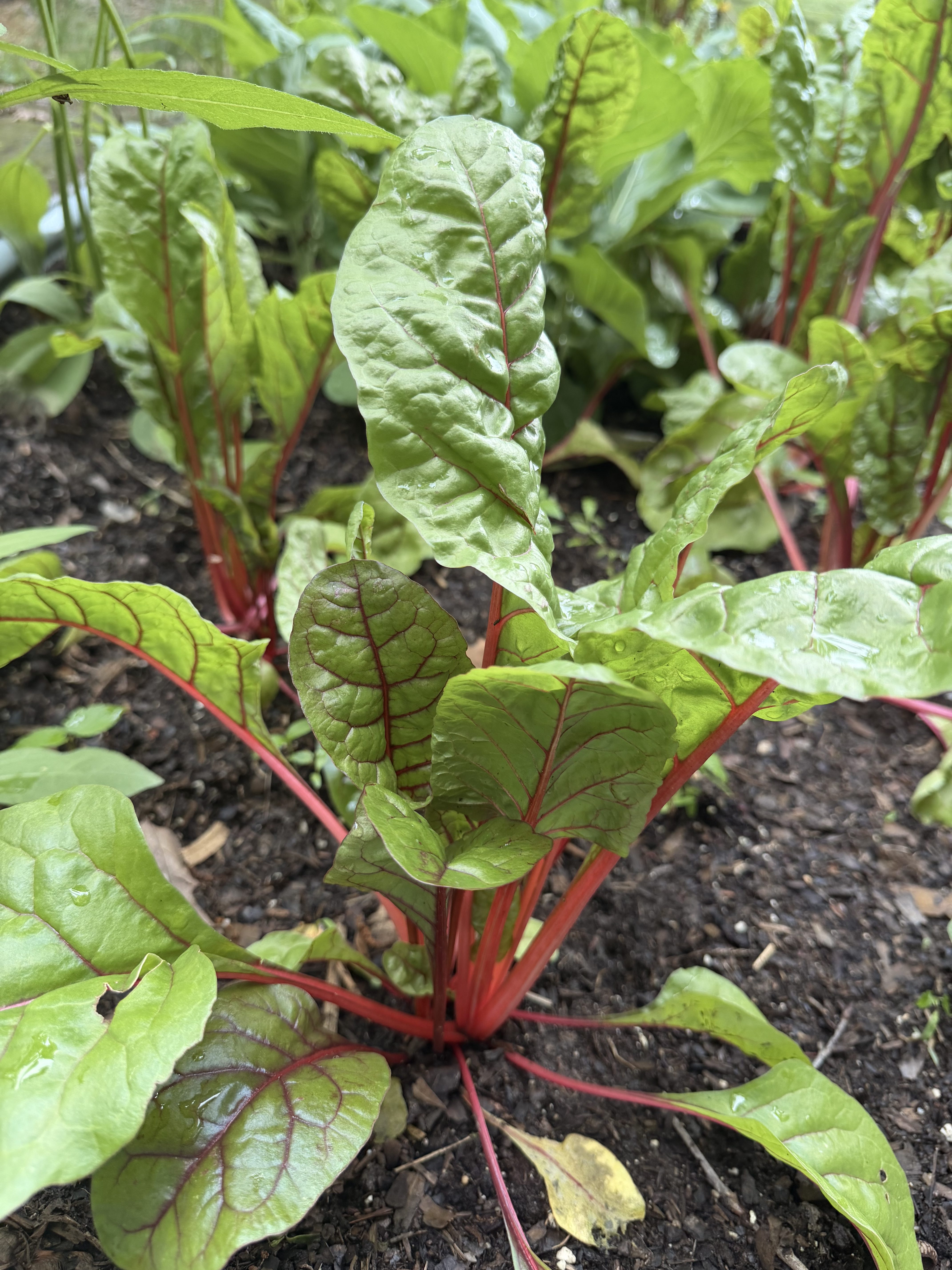
If there is one vegetable that consistently earns a place in our garden year after year, it’s Swiss chard.
While tomatoes often steal the spotlight and cucumbers seem to disappear from the garden as quickly as they grow, Swiss chard quietly produces basket after basket of nutritious greens with very little fuss. It may not be the flashiest crop in the garden, but it has become one of our favorite vegetables to grow here at J & J Homestead.
Whether you’re a seasoned gardener or planting your very first garden, Swiss chard is one of those crops that rewards your efforts many times over. Here’s why we love growing Swiss chard on the homestead and why you might want to add it to your garden as well.
Swiss Chard Is Incredibly Easy to Grow
One of the biggest reasons we love Swiss chard is that it is remarkably forgiving.
Unlike some vegetables that require perfect soil conditions, constant watering, or protection from pests, Swiss chard seems determined to thrive. It tolerates a wide range of temperatures, grows well in both raised beds and traditional gardens, and handles occasional neglect better than many leafy greens.
For busy homesteaders juggling livestock chores, gardening, work, and family responsibilities, having a dependable crop is a welcome relief.
Swiss chard seeds germinate quickly, establish strong root systems, and often begin producing harvestable leaves within a matter of weeks.
It Produces for Months
Many leafy greens have a relatively short harvest window.
Lettuce bolts when temperatures rise. Spinach often struggles once summer arrives. But Swiss chard keeps going.
One of the most impressive things about Swiss chard is its ability to provide continuous harvests throughout the growing season. By harvesting the outer leaves and allowing the center of the plant to continue growing, a single planting can produce for months.
Here on the homestead, we often begin harvesting Swiss chard in the spring and continue picking leaves well into the fall.
The more we harvest, the more it seems to grow.
It Tolerates Heat Better Than Many Greens
Virginia summers can be challenging for cool-season crops.
As temperatures climb into the 90s, many leafy greens quickly bolt and become bitter. Swiss chard, however, continues to produce despite the heat.
While it still appreciates consistent watering during hot weather, it handles summer temperatures far better than spinach and many lettuce varieties.
For homesteaders looking to maintain fresh greens throughout the hottest months of the year, Swiss chard is one of the best options available.
Swiss Chard Is Packed with Nutrition
Swiss chard isn’t just productive—it is incredibly nutritious.
The leaves are rich in vitamins A, C, and K, along with important minerals like magnesium, potassium, and iron. The brightly colored stems contain antioxidants that support overall health and wellness.
Growing nutrient-dense foods at home is one of the reasons many people choose the homesteading lifestyle, and Swiss chard fits perfectly into that goal.
It’s a simple way to add more vitamins and minerals to meals while reducing trips to the grocery store.
The Chickens Love It Too
One of our favorite things about Swiss chard is that it serves more than one purpose on the homestead.
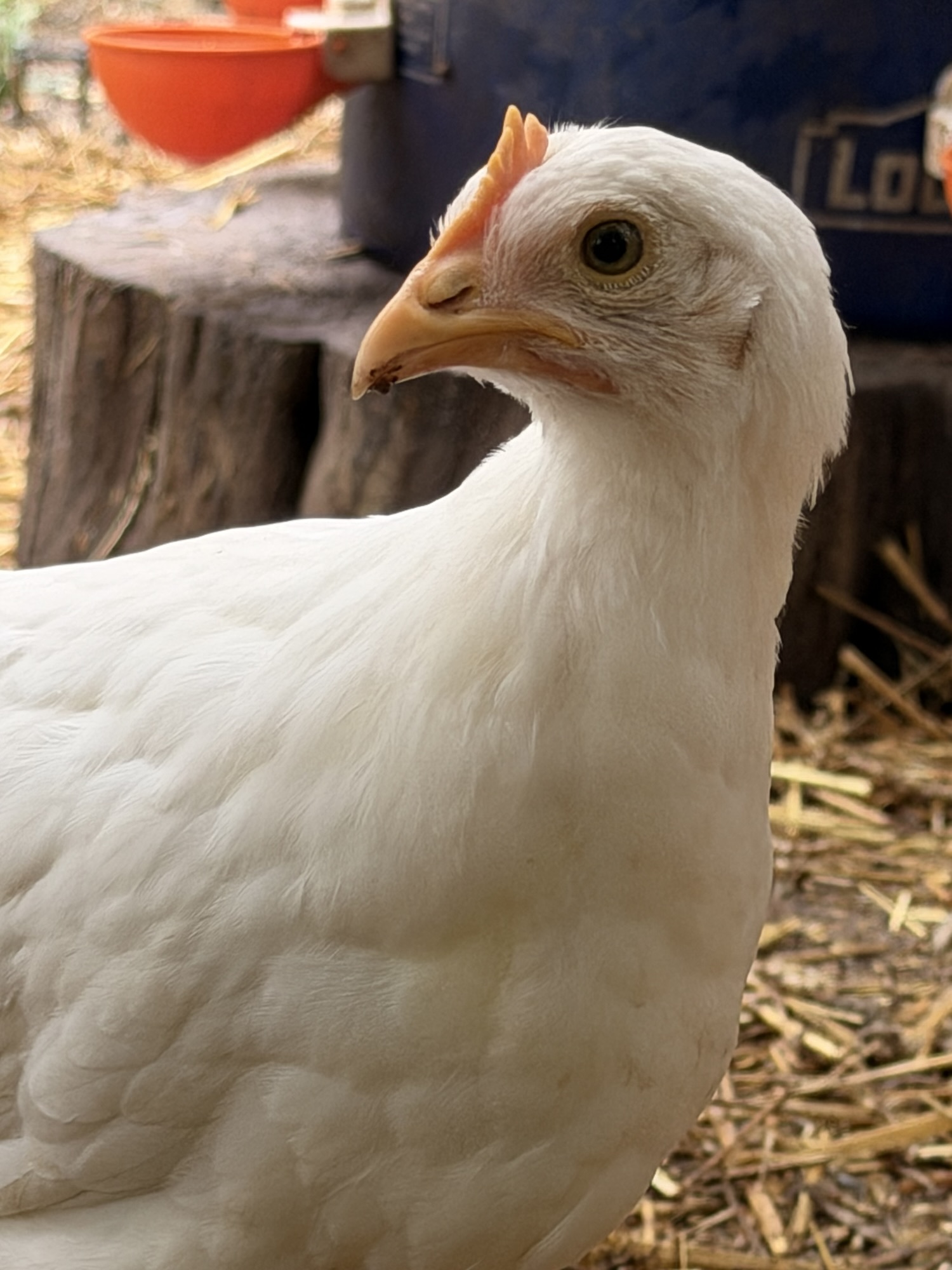
When we have extra leaves or plants that need thinning, the chickens are always happy to help.
Swiss chard can be offered as an occasional treat to chickens, providing enrichment and additional nutrients. Hanging bunches of greens in the run also encourages natural pecking behavior and helps reduce boredom.
Few things make us happier than growing something that benefits both our family and our flock.
It’s Beautiful in the Garden
Swiss chard may be one of the prettiest vegetables you can grow.
Varieties like Bright Lights produce stems in vibrant shades of red, orange, yellow, pink, and white. These colorful plants add visual interest to vegetable beds and can even be incorporated into ornamental landscaping.
Visitors often stop to admire our Swiss chard before realizing it’s actually edible.
It’s proof that productive gardens can also be beautiful.
It Works in So Many Recipes
One concern many gardeners have is whether they’ll actually use what they grow.
Swiss chard makes that easy.
The leaves can be sautéed with garlic and olive oil, added to soups and stews, mixed into pasta dishes, blended into smoothies, or substituted for spinach in many recipes. Even the stems are edible and can be roasted or added to stir-fries.
Its mild flavor makes it approachable for people who may not normally enjoy leafy greens.
Swiss Chard Often Overwinters in Virginia
One of the biggest surprises we discovered is how resilient Swiss chard can be during the winter months.
In many parts of Virginia, especially with some protection from row covers, cold frames, or greenhouses, Swiss chard can survive surprisingly low temperatures.
We’ve often found ourselves harvesting leaves long after other crops have disappeared for the season. Having fresh greens available during cooler months is a welcome bonus that helps extend the garden’s productivity.
Why Swiss Chard Has Earned a Permanent Place on Our Homestead
Every year, there are new vegetables we want to try and new varieties we want to test. Yet Swiss chard remains one of the few crops that always makes the planting list.
It’s productive, beautiful, nutritious, versatile, and surprisingly easy to grow. Whether you’re gardening for self-sufficiency, feeding your family, supplementing livestock treats, or simply trying to grow more food at home, Swiss chard delivers.
Sometimes the most valuable crops aren’t the ones that get all the attention. They’re the reliable workhorses that quietly produce week after week.
For us, Swiss chard is exactly that—and that’s why we love growing it on the homestead.
What About You?
Do you grow Swiss chard in your garden? We’d love to hear your favorite varieties and how you use them in the kitchen. Share your experiences in the comments below and join the conversation with fellow gardeners and homesteaders.



Leave a Reply