

What We Can (and Can’t) Sell
If you’ve visited the J & J Homestead farmstand, you may have noticed a variety of baked goods, fresh greens and vegetables, eggs, honey, and seasonal products available throughout the year. One of the most common questions we receive is, “How do you know what you’re allowed to sell?”
The answer comes down to a combination of Virginia’s Cottage Food Laws, Virginia Department of Agriculture and Consumer Services (VDACS) regulations, and guidance from the Virginia Cooperative Extension. Understanding these regulations is an important part of operating a legal and safe farmstand, and today I wanted to share how they influence what we offer to our customers.
What Are Virginia Cottage Food Laws?
Virginia’s Home Kitchen Food Processing Exemption allows individuals to prepare certain low-risk foods in their home kitchens without obtaining a food manufacturing permit or routine state inspection. These foods must be considered non-potentially hazardous and shelf-stable, meaning they do not require refrigeration for safety. (Virginia Agriculture)
For homesteads like ours, this exemption creates an opportunity to offer homemade baked goods and other shelf-stable products directly to consumers while maintaining compliance with state regulations. (Virginia Agriculture)
What Cottage Foods Can We Sell?
Under Virginia’s Home Kitchen Food Processing Exemption, approved products generally include:
- Cookies
- Muffins
- Breads
- Cakes without cream or custard fillings
- Brownies
- Candies
- Jams and jellies
- Dry baking mixes
- Dried herbs
- Granola and trail mixes
- Certain acidified foods
- Honey produced under qualifying guidelines
These products are considered low-risk because they do not require temperature control for food safety. (Virginia Agriculture)
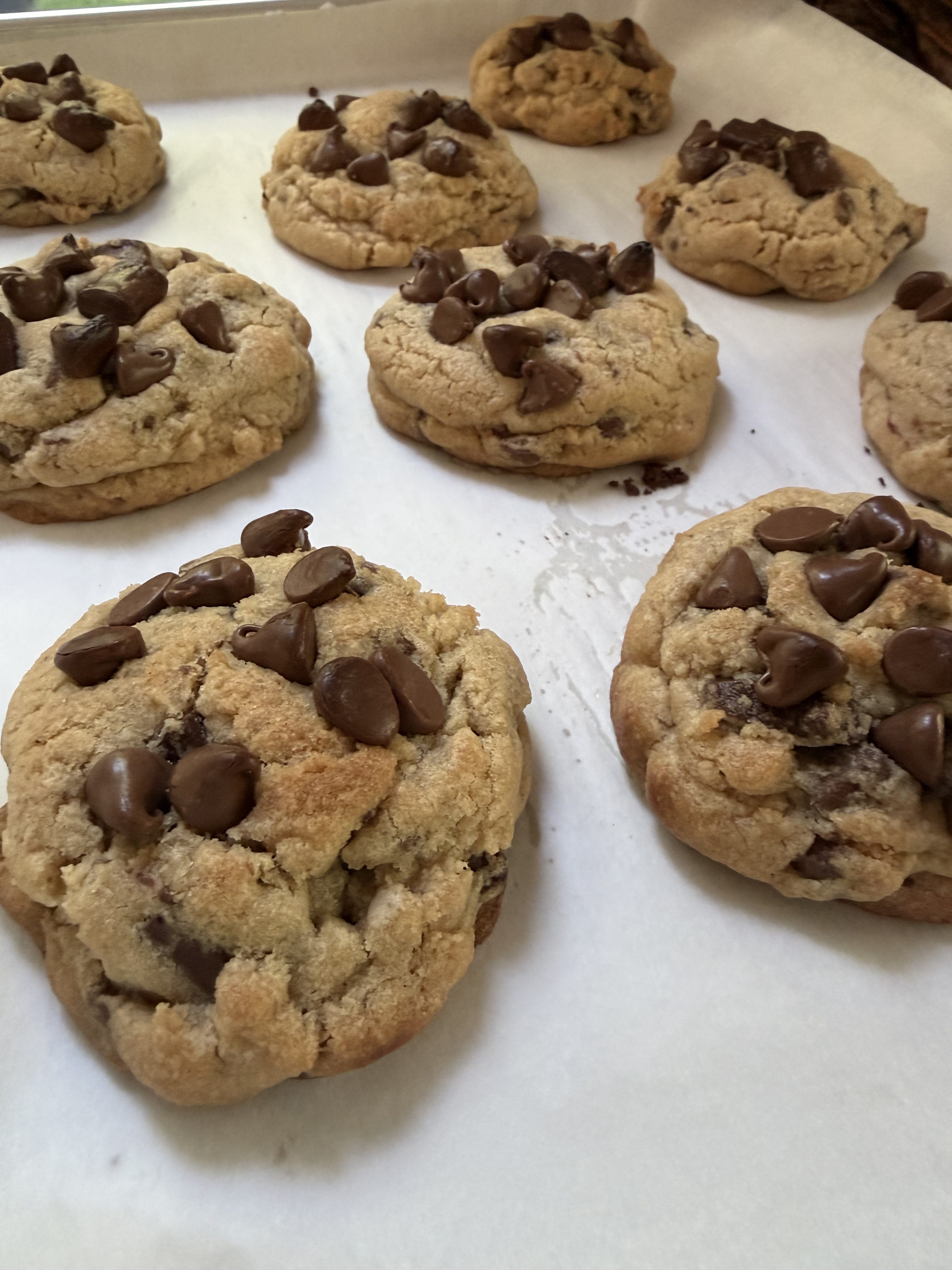
This is why you’ll regularly find items such as Chocolate Chip Cookies, S’mores Cookies, Apple Fritter Bread, muffins, and other baked goods at our farmstand.
What We Cannot Sell Under Cottage Food Laws
Virginia cottage food regulations also establish clear limits on what can be produced in a home kitchen.
Products generally not allowed under the exemption include:
- Meat products
- Poultry products
- Seafood
- Dairy-based products requiring refrigeration
- Cream pies
- Cheesecakes
- Custard-filled pastries
- Low-acid canned vegetables
- Foods requiring refrigeration for safety
These products fall under different regulatory requirements because they carry a higher food safety risk. (Virginia Agriculture)
For example, while we can bake and sell shelf-stable breads and cookies, we cannot legally prepare and sell chicken pot pies from our home kitchen under the cottage food exemption.
Why Every Label Matters
If you’ve purchased baked goods from our farmstand, you’ve likely noticed detailed labels on every package.
Virginia requires cottage food products to include information such as:
- Product name
- Ingredient list
- Allergen information
- Date prepared
- Producer contact information
- The statement:
“NOT FOR RESALE – PROCESSED AND PREPARED WITHOUT STATE INSPECTION.”
These labeling requirements help ensure transparency and allow customers to make informed purchasing decisions. (Virginia Agriculture)
What About Honey?
One of the unique aspects of Virginia’s regulations is that honey may qualify for exemption under specific circumstances.
As beekeepers, this is especially important to us. Honey produced on the homestead can generally be sold directly to consumers, provided it is properly labeled and handled according to applicable regulations. Virginia specifically includes honey among products that may be produced and sold under certain exemptions. (Historic Manassas, Inc)
For our homestead, that means the honey harvested from our hives can be offered alongside eggs, vegetables, and baked goods at the farmstand.
Selling Fresh Vegetables
Fresh produce falls under a different category than cottage foods.
Virginia Cooperative Extension and VDACS guidance generally allow growers to sell whole, unprocessed fruits and vegetables directly to consumers through farmstands, roadside stands, and farmers markets. Fresh tomatoes, lettuce, Swiss chard, peppers, herbs, onions, potatoes, and other garden vegetables can typically be sold without the same restrictions that apply to processed foods. (Market Central)
This is why our farmstand often includes seasonal produce from the garden in addition to baked goods.
Fresh vegetables are one of the easiest ways for homesteads to participate in local food systems while providing healthy, locally grown options to their communities.
What About Poultry?
Poultry is where regulations become more complex.
Virginia does not allow poultry products to be sold under cottage food laws. Instead, poultry sales are governed by separate state and federal regulations. (Virginia Cooperative Extension)
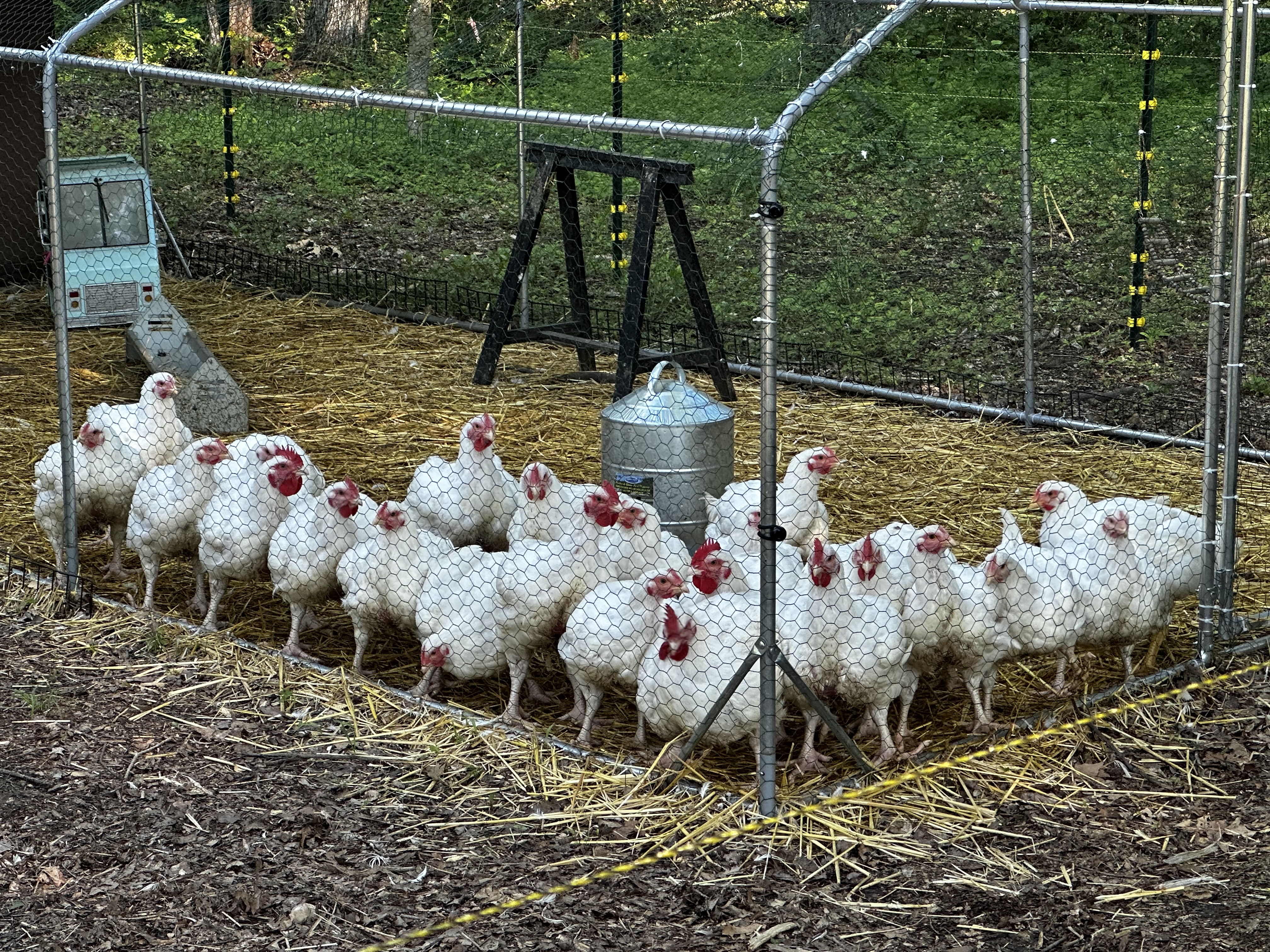
Fortunately, Virginia offers exemptions for small poultry producers that meet specific requirements. Earlier this year, J & J Homestead received a Virginia poultry processing exemption, allowing us to process and sell a limited number of birds annually while complying with applicable regulations.
So while poultry cannot be sold under the cottage food exemption, we do have a separate poultry exemption that allows us to legally sell qualifying poultry products directly from our farmstand.
If you’re considering raising meat chickens, turkeys, ducks, or other poultry for sale, it’s important to review the specific requirements through VDACS before offering products to customers.
Why These Rules Matter
At first glance, regulations can seem frustrating. However, these guidelines serve an important purpose.
They help:
- Protect public health
- Ensure food safety
- Create consistent standards for producers
- Build trust between farmers and customers
As a homestead owner, I appreciate knowing exactly where the boundaries are. The regulations allow us to confidently offer products that are both legal and safe while continuing to grow our farmstand each season.
Resources Every Virginia Homesteader Should Bookmark
If you’re interested in starting your own farmstand or selling products from your homestead, these resources are invaluable:
- Virginia Department of Agriculture and Consumer Services (VDACS) Home Kitchen Food Processing Information
- Virginia Home Kitchen Food Processing Exemption Guide (PDF)
- Virginia Cooperative Extension Farmers Market and Food Business Resources
Final Thoughts
Running a farmstand is about much more than growing vegetables or baking cookies. It’s about understanding the rules that allow us to safely share our products with our community.
Virginia’s cottage food laws make it possible for small homesteads like ours to offer homemade baked goods and other shelf-stable products without the expense of a commercial kitchen. Combined with opportunities to sell honey, fresh produce, eggs, and exempt poultry products, these regulations create a pathway for homesteads to build sustainable local businesses while serving their communities.
For us at J & J Homestead, understanding these regulations has helped transform a simple roadside stand into a thriving source of local food, education, and connection.


Leave a Reply