
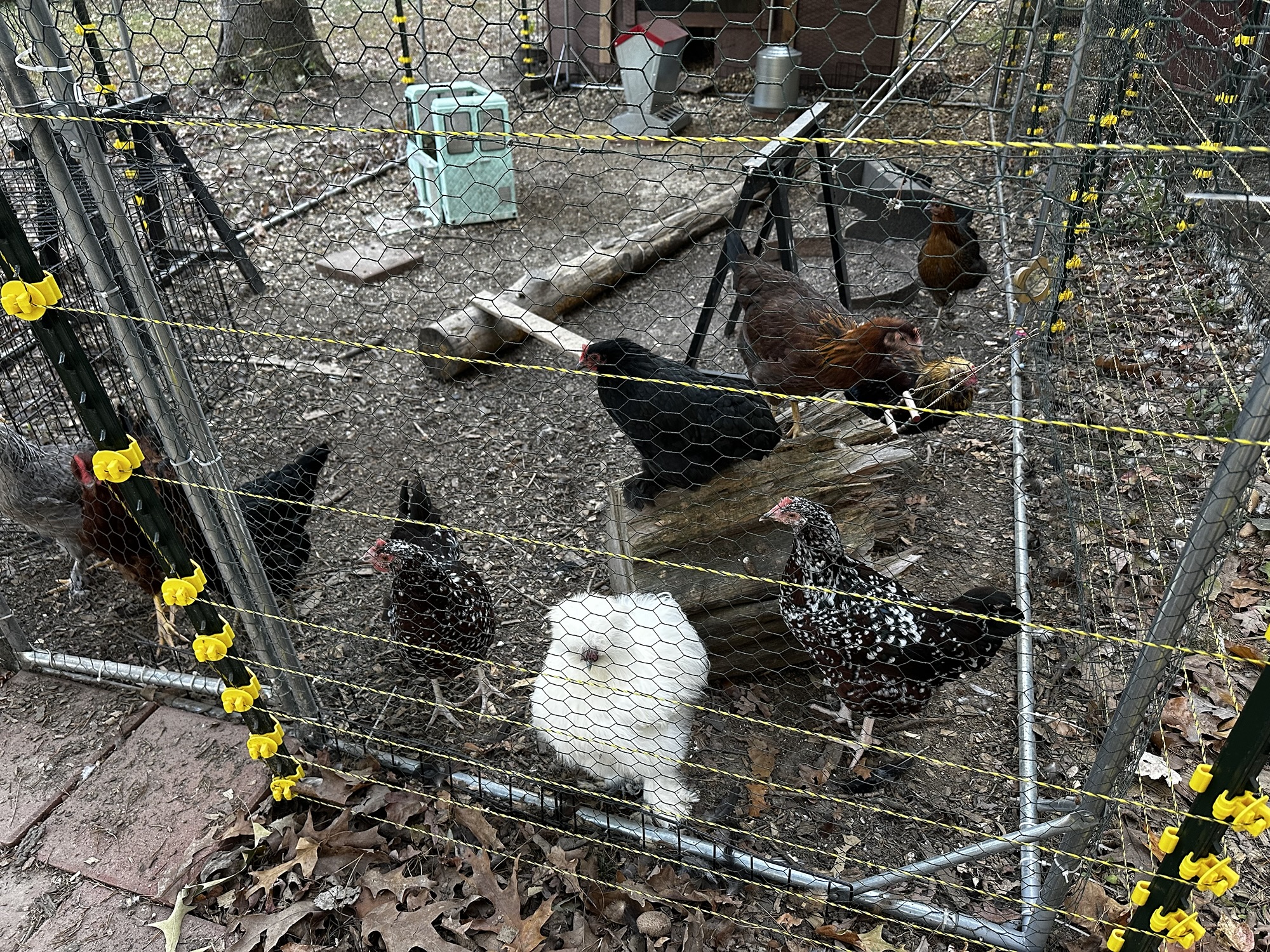
There comes a day that every chicken keeper looks forward to—the day the chicks finally graduate from the brooder and join the flock.
After weeks of monitoring temperatures, cleaning brooders, refilling feeders, and watching tiny fluff balls grow into young chickens, it’s exciting to see them take the next step. At J & J Homestead, our latest group of chicks has reached that milestone, and we’re preparing to introduce them to our adult flock.
While it may be tempting to simply open the coop door and let everyone mingle, successful flock integration requires a little planning. Chickens have a well-established social hierarchy known as the “pecking order,” and introducing newcomers too quickly can lead to stress, bullying, or injury.
Fortunately, with a little patience and preparation, you can help make the transition as smooth as possible.

Why Chickens Need a Careful Introduction
Unlike people, chickens don’t welcome newcomers with a handshake and a smile.
Every flock has an established pecking order that determines access to food, water, roosting spots, and social status. When new birds arrive, the existing flock must determine where those birds fit within the hierarchy.
Some pecking and chasing are normal during this process. However, careful introductions can significantly reduce stress and minimize aggressive behavior.
When Are Chicks Ready to Join the Flock?
Most chicks are ready for flock integration when they are:
- Fully feathered
- Similar in size to your adult hens
- At least 8-12 weeks old
- Healthy and active
- Able to regulate their own body temperature
Size is often more important than age. A tiny chick placed with full-sized hens is far more vulnerable than a larger juvenile bird that can move quickly and defend itself.
Best Practice #1: Use the “See But Don’t Touch” Method
One of the most successful integration techniques is allowing the birds to see one another before they can physically interact.
Place the growing chicks in a secure pen or partition within the chicken run. This allows both groups to:
- Observe each other daily
- Become familiar with each other’s appearance
- Reduce curiosity and territorial behavior
- Begin establishing social relationships safely
We typically aim for one to two weeks of visual contact before allowing direct interaction.
Best Practice #2: Provide Plenty of Space
Crowding increases aggression.
When introducing new birds, make sure your coop and run provide enough room for everyone to spread out. More space allows lower-ranking birds to move away from dominant hens and avoid conflict.
Adding temporary enrichment can also help distract the flock. Consider:
- Hanging cabbage heads
- Treat balls
- Pecking blocks
- Dust bathing areas
- Extra perches
Busy chickens are less likely to focus on harassing newcomers.
Best Practice #3: Add Extra Feeders and Waterers
One common source of conflict is competition for resources.
During the first several weeks after integration, place multiple feeding and watering stations throughout the run. This ensures that newly introduced birds can eat and drink without being driven away by dominant hens.
Watch carefully to ensure every bird has access to food and water.
Best Practice #4: Introduce Birds During Free Time
If possible, allow the birds to interact in a larger area than their normal run.
A spacious yard, fenced pasture, or supervised ranging area gives younger birds opportunities to avoid confrontation and escape aggressive flock members.
Many chicken keepers find success introducing birds in the late afternoon or evening when the flock is naturally calmer.
Best Practice #5: Roost Together at Night
Chickens tend to be more accepting of flock mates when they wake up together.
Once you’re comfortable with their progress, place the younger birds on the roost after dark. In the morning, they often appear less like strangers and more like established members of the flock.
Continue monitoring closely over the following days.
Expect Some Pecking Order Behavior
It’s important to remember that some pecking, chasing, and squabbling is normal.
You should expect:
- Brief chases
- Mild pecking
- Short disputes over food or roosting spots
However, intervene if you observe:
- Blood or open wounds
- Relentless chasing
- Birds being prevented from eating or drinking
- Severe feather pulling
- Multiple hens targeting a single bird
These situations may require temporarily separating birds and slowing the introduction process.
Our Experience at J & J Homestead
As our Pearl Leghorn chicks continue to grow, we’re preparing for their transition into the main flock. We always take introductions slowly because experience has taught us that patience pays off.
A gradual introduction helps reduce stress for both the established hens and the newcomers. It also allows us to monitor behavior closely and ensure everyone remains healthy and safe throughout the process.
Before long, these once tiny chicks will be scratching alongside the rest of the flock, laying eggs of their own, and taking their place in the daily rhythm of the homestead.
Final Thoughts
Introducing chicks to an established flock is one of the most rewarding milestones in backyard chicken keeping. While it takes a little planning and patience, a gradual approach can help prevent injuries and create a more harmonious flock.
Remember: slow introductions, plenty of space, multiple feeding stations, and careful observation are the keys to success.
The chicks may not realize it yet, but they’re about to become full-fledged members of the flock—and that’s always an exciting day on the homestead.

Leave a Reply