
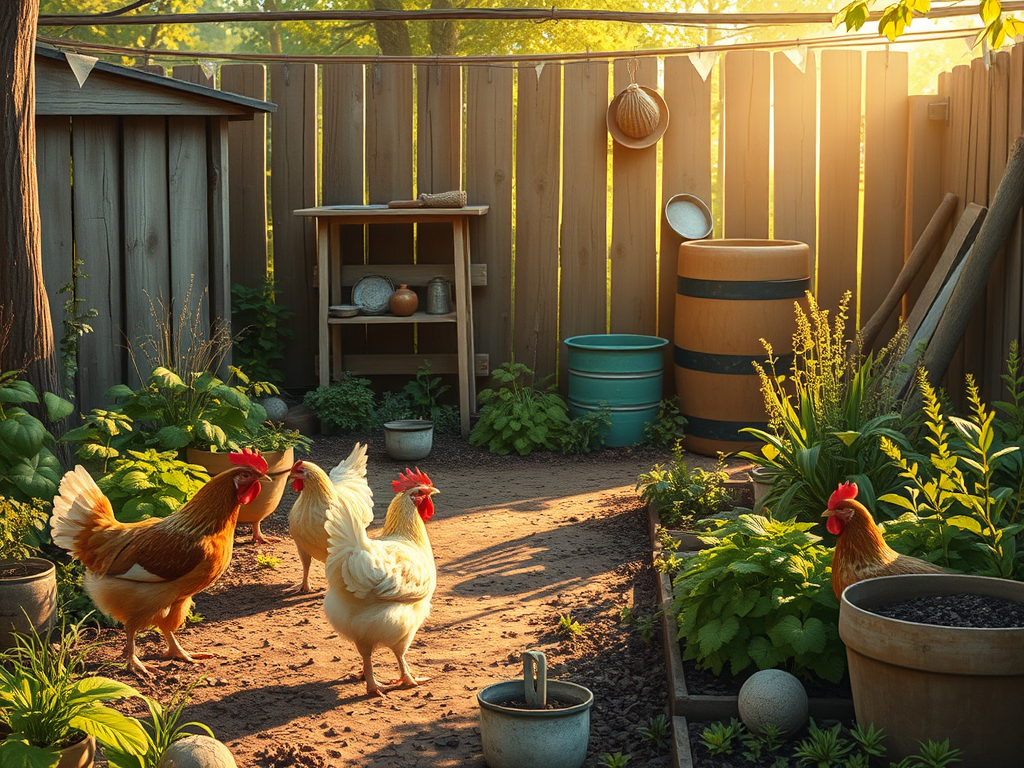
Tips for Sustainability Without Breaking the Bank
Homesteading isn’t about having deep pockets—it’s about resourcefulness, creativity, and the willingness to put in the work. Whether you’re growing your own food, raising chickens, or producing homemade goods, sustainability and frugality go hand in hand. At J & J Homestead, we’ve learned that living close to the land doesn’t have to drain your wallet—it can actually build wealth in skills, food, and satisfaction.
1. Start Small, Grow Gradually
It’s easy to get swept up in the dream of a full-scale homestead, but the best approach is to start small. Begin with a manageable garden plot, a few laying hens, or a single beehive. Expanding slowly allows you to learn without expensive mistakes—and ensures your time and money are invested wisely.
2. Reuse, Repurpose, and Recycle
Homesteaders are masters of creative reuse. Old pallets can become compost bins, raised beds, or even small coops. Reclaimed wood, used fencing, and secondhand tools save hundreds of dollars while adding character to your space.
👉 Where to Look: Check local Facebook Marketplace listings, farm swaps, or your county’s recycling center for reusable materials. Many times, people give away perfectly good items to avoid landfill fees.
3. Feed Your Animals Economically
Feed costs can add up quickly, but there are ways to supplement them. Let chickens free-range to find bugs and greens, or offer vegetable scraps from your kitchen. Ducks love foraging for slugs, and rabbits can enjoy fresh garden trimmings.
👉 Learn more: Visit Backyard Chickens for community tips on DIY feeders and low-cost nutrition plans.
4. Grow Your Own Animal Feed and Herbs
Even a small patch of land can produce feed and herbal supplements. Sunflowers, kale, amaranth, and clover all make excellent additions to a homegrown feed system. Plus, herbs like oregano, thyme, and garlic can boost animal health naturally.
At J & J Homestead, we’ve found that growing herbs cuts down on vet bills and keeps our chickens and ducks thriving year-round.
5. Compost, Don’t Waste
Every kitchen scrap, pile of leaves, or coop clean-out can be turned into compost. Creating your own soil amendments means you spend less on fertilizers and improve your garden’s productivity naturally.
👉 Resource: Check out EPA’s Composting Basics for how-to guides and troubleshooting tips.
6. Swap and Share with Your Community
Your neighbor might have extra seedlings, and you might have surplus eggs or honey. Building relationships with local homesteaders can help everyone save money and diversify what you produce. Community sharing not only reduces costs but strengthens local food networks.
7. Learn and DIY Whenever Possible
YouTube, podcasts, and blogs are full of tutorials on everything from building a coop to pressure canning. The more you can do yourself, the less you’ll need to pay others for. And those skills? They last a lifetime.
Some of our favorite free learning resources:
8. Save Seeds and Plan for Next Year
Seed saving is one of the most practical ways to cut costs year after year. Choose heirloom varieties so you can replant from your harvest. This not only saves money but ensures your crops adapt to your local soil and climate over time.
9. Take Advantage of Local Resources
From Virginia Cooperative Extension programs to local agricultural fairs, there are often free classes, soil tests, and community grants available to small farmers and homesteaders. Don’t hesitate to reach out—you might be surprised at what’s offered in your county.
10. Remember: Sustainability is a Journey, Not a Destination
Homesteading on a budget isn’t about perfection—it’s about progress. Each season teaches something new, whether it’s how to build a cheaper fence, preserve more produce, or raise healthier chickens. Every small step brings you closer to self-sufficiency and peace of mind.
At J & J Homestead, we’ve learned that the most valuable investments are time, effort, and care—not money. When you grow it, build it, or raise it yourself, every meal and every project feels like an achievement.
Final Thought
Living sustainably doesn’t mean living expensively. With creativity, patience, and a little elbow grease, anyone can build a thriving homestead that supports both the environment and the wallet. Start where you are, use what you have, and grow into your dream—one seed, one coop, and one harvest at a time.





Leave a Reply