
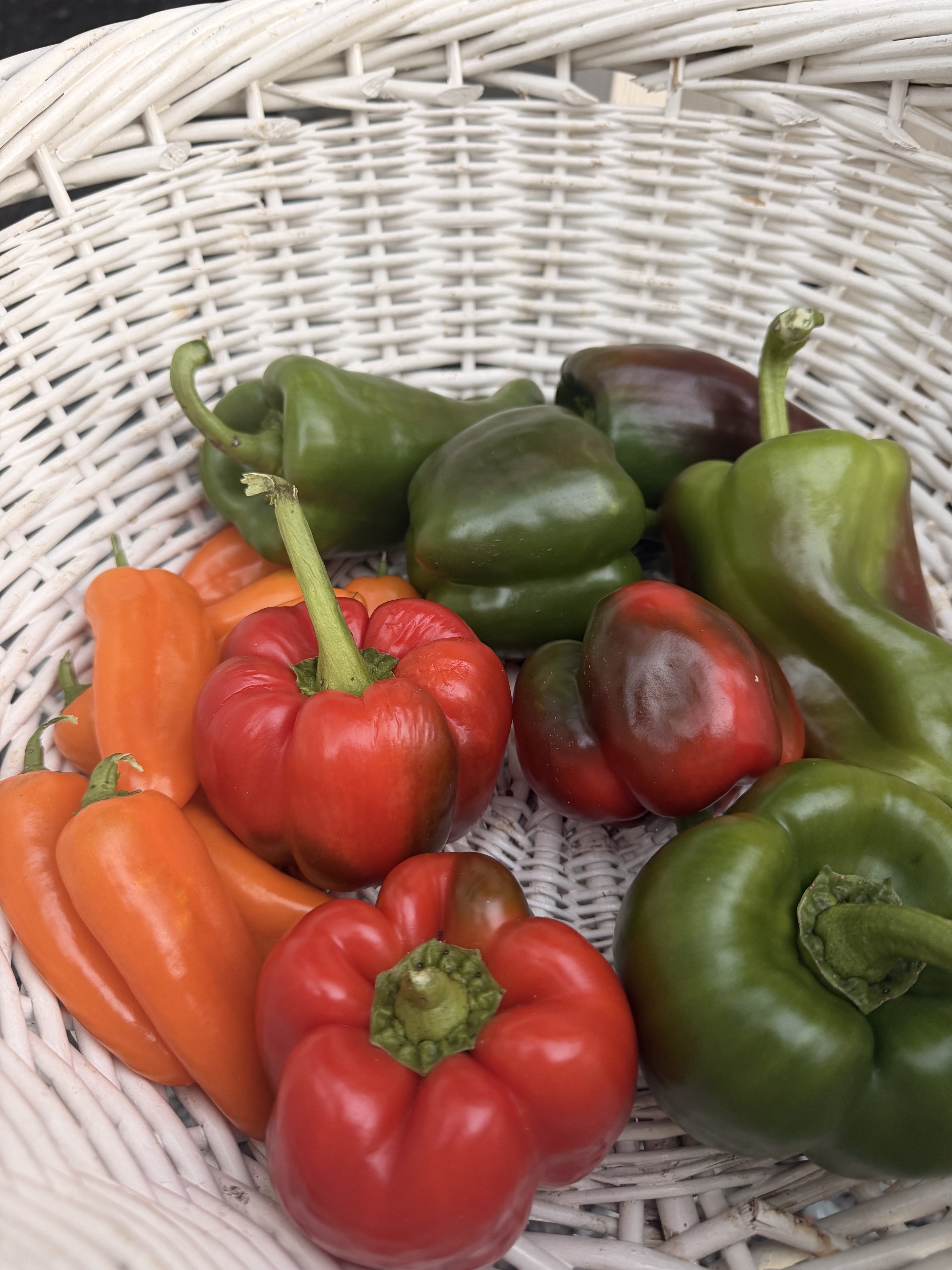
September always feels like a month when the garden can’t quite decide what season it wants to be.
Here on our Virginia homestead, the tomatoes and peppers may still be producing, summer vegetables are hanging on, and we’re still harvesting plenty from the garden. At the same time, the days are getting noticeably shorter, mornings are becoming cooler, and fall is beginning to make its presence known.
And that means there is a lot to do in the September garden!
September isn’t simply about cleaning up the summer garden. It’s one of the most important transition months of the entire gardening year. What we do now can extend our harvest well into fall, reduce pest and disease problems, improve our soil, and make next spring considerably easier.
If you’re wondering what garden chores to do in September, here’s the checklist we’re working through on the homestead.
1. Keep Harvesting the Summer Garden
Don’t give up on the summer garden yet!
In Virginia and other Zone 7 gardens, September can still provide plenty of warm weather. Tomatoes, peppers, squash, beans, cucumbers, herbs, and other summer crops may continue producing.
Harvesting frequently is important because allowing mature vegetables to remain on the plant can signal some plants to slow production.
September harvests can sometimes be surprisingly productive.
Of course, that also creates another September chore: figuring out what to do with all of it!

2. Preserve the September Harvest
One of our biggest goals on the homestead is making the most of what we grow.
By September, the kitchen can be almost as busy as the garden.
This is a great month for:
Freezing: Peppers, tomatoes, beans, herbs, and other vegetables can often be frozen for later use.
Dehydrating: Herbs and peppers are particularly easy to preserve in a dehydrator.
Canning: Depending on what you’re harvesting, September can mean tomato sauce, salsa, pickles, jams, jellies, and other canned foods.
Using produce immediately: September is also a wonderful time to build meals around whatever the garden happens to provide.
Preserving even small amounts throughout the month can add up to a surprisingly well-stocked pantry and freezer for winter.
3. Plant the Fall Vegetable Garden
September isn’t just about ending the gardening season.
It’s also time to start another one.
Cool-season vegetables thrive as temperatures begin dropping.
Depending on your location, September planting can include:
- Lettuce
- Spinach
- Arugula
- Kale
- Collard greens
- Swiss chard
- Radishes
- Turnips
- Beets
- Carrots
- Mustard greens
- Asian greens
Some vegetables grow quickly enough to harvest before winter, while cold-hardy crops can continue producing surprisingly late into the season.
Pay Attention to Days to Maturity
This becomes increasingly important in September.
If a vegetable requires 70 days to mature but you only have 45 days before your average first frost, you may not have enough time.
Look at the seed packet and choose faster-maturing varieties whenever possible.
4. Start Thinking About Frost Protection
It might still be hot outside, but frost is coming.
September is the perfect time to locate all those supplies before you actually need them.
Find your:
- Frost cloth
- Row covers
- Hoops
- Greenhouse plastic
- Cold frames
- Clips
- Stakes
You don’t want to discover that your frost cloth disappeared sometime last spring when the weather forecast suddenly calls for 34°F overnight!
Floating row covers can also help extend the growing season considerably for cold-tolerant vegetables.
5. Clean Up Spent Summer Plants
By September, some summer vegetables are simply finished.
When a plant has stopped producing, remove it rather than allowing dead plant material to remain in the garden.
Pay particular attention to plants showing signs of:
- Powdery mildew
- Blight
- Leaf spot
- Pest damage
- Rot
- Other diseases
Healthy plant material can usually go into an actively managed compost system.
Diseased plant material should generally stay out of your home compost pile unless you know your compost reaches temperatures sufficient to destroy the pathogen.
Removing diseased material now may reduce the amount of disease pressure waiting for you next season.
6. Don’t Clean Up Everything
This sounds contradictory, but there’s an important difference between cleaning the vegetable garden and making the entire property perfectly tidy.
Some dried flowers, hollow stems, seed heads, and leaf litter can provide winter habitat and food for beneficial insects and wildlife.
Plants such as:
- Coneflowers
- Sunflowers
- Black-eyed Susans
- Goldenrod
- Asters
can provide valuable seeds and habitat.
Our goal isn’t a perfectly sterile landscape.
It’s a healthy homestead ecosystem.
7. Keep Weeding
I know.
Weeding isn’t nearly as exciting in September as planting tomatoes was in May.
But don’t stop now!
Many weeds are preparing to produce seeds. Allowing a single mature weed to scatter hundreds—or even thousands—of seeds means creating more work for yourself next year.
Think of September weeding as preventative maintenance for next year’s garden.
Pull weeds before they go to seed.
Your future self will appreciate it.
8. Add Compost to Empty Garden Beds
Once a summer crop is removed, we don’t want to simply abandon that bed until spring.
September is an excellent time to begin improving the soil.
Add a layer of finished compost to empty beds and allow nature to begin incorporating that organic matter over fall and winter.
You can also add:
- Well-aged manure
- Chopped leaves
- Organic mulch
- Other appropriate soil amendments
Healthy soil is one of the best investments we can make in next year’s garden.
9. Consider Planting a Cover Crop
If a garden bed won’t be used again until spring, consider planting a cover crop instead of leaving the soil bare.
Depending on your location and goals, options may include:
- Winter rye
- Crimson clover
- Hairy vetch
- Oats
- Field peas
- Cover-crop mixtures
Cover crops can help:
- Protect soil from erosion
- Suppress weeds
- Add organic matter
- Improve soil structure
- Capture nutrients
- Support beneficial soil organisms
Some legumes can also contribute nitrogen to the soil through their relationship with nitrogen-fixing bacteria.
For a homestead garden, cover crops can be an inexpensive way to put unused beds to work all winter.
10. Collect Seeds for Next Year
September is also seed-saving season.
If you grew open-pollinated or heirloom varieties that performed particularly well, consider saving seeds.
Possible candidates include:
- Beans
- Peas
- Tomatoes
- Peppers
- Lettuce
- Herbs
- Flowers
Make sure seeds are properly dried before storing them.
Then label everything with at least the:
Plant | Variety | Year
Trust me—you probably won’t remember what that mysterious envelope of tiny brown seeds is six months from now.
11. Divide and Move Perennials
Cooler September weather makes gardening considerably more pleasant for both gardeners and plants.
This can be a good time to divide or relocate many established perennials.
It can also be a great time to fill empty spaces in flower beds because plants have time to begin establishing roots before winter without dealing with the intense heat of midsummer.
Keep newly planted or divided perennials adequately watered while they establish.
12. Plant for the Pollinators
Our garden isn’t just feeding us.
It’s also supporting our bees and countless native pollinators.
Late-blooming plants are especially valuable because food sources become increasingly limited as the growing season winds down.
Goldenrod and asters are two wonderful examples of plants that can provide late-season pollen and nectar.
If you keep honeybees—or simply want to support native bees—pay attention to what is blooming around your property in September.
It can reveal where you have gaps in your pollinator garden that you might want to address next year.
13. Order Garlic for Fall Planting
September is a great time to make sure you’ve ordered your seed garlic.
Garlic is typically planted in fall rather than spring.
While our actual planting may happen later in the season, September is when we want to make sure we have the varieties we want.
Popular options include both:
Hardneck garlic – produces scapes and is known for its strong flavor.
Softneck garlic – generally stores longer and is commonly used for garlic braids.
Don’t wait until planting day to start looking for seed garlic. Popular varieties can sell out.
14. Begin Preparing the Greenhouse
If you have a greenhouse, September is the perfect time to transition it from summer growing to fall and winter production.
Our checklist includes:
- Removing spent plants
- Pulling weeds
- Cleaning containers
- Inspecting greenhouse plastic or panels
- Checking doors and vents
- Cleaning shelves
- Inspecting irrigation
- Adding fresh compost where needed
- Planning fall crops
- Preparing frost protection
Even an unheated greenhouse can provide a valuable buffer against cold temperatures and help extend the harvest.
15. Continue Watering
Cooler temperatures can make it easy to assume plants don’t need as much attention.
But September can still be dry.
New seedlings, recently planted perennials, fall vegetables, and established garden crops still require consistent moisture.
Instead of watering automatically, check the soil.
A simple rain gauge can also help you determine how much water the garden actually received instead of guessing based on whether it rained.
16. Take Garden Notes NOW
This may be one of the most overlooked September garden chores.
Before you forget, write down what happened this year.
Ask yourself:
What grew incredibly well?
What completely failed?
Which varieties tasted best?
Which vegetables produced the most?
Where did pests become a problem?
Which beds struggled?
What did we grow way too much of?
What did we wish we had planted more of?
Where should we rotate crops next year?
Take pictures, too.
When seed catalogs start arriving this winter, these notes will be far more useful than trying to remember exactly what happened months earlier.
Our September Garden Checklist
Here’s the quick version of what we’re working on this month:
☐ Harvest summer vegetables regularly
☐ Preserve excess produce
☐ Plant fall vegetables
☐ Pull weeds before they seed
☐ Remove spent vegetable plants
☐ Remove diseased garden debris
☐ Add compost to empty beds
☐ Plant cover crops
☐ Save seeds
☐ Prepare frost covers and row covers
☐ Divide or transplant appropriate perennials
☐ Maintain late-season pollinator plants
☐ Order garlic
☐ Prepare the greenhouse
☐ Continue watering when necessary
☐ Record garden successes and failures
☐ Start planning next year’s garden
September Is a Month of Transition on the Homestead
September can be one of the busiest months in the garden because we’re doing three things simultaneously:
Harvesting this year’s garden.
Growing the fall garden.
Preparing for next year’s garden.
That’s a lot happening at once.
But there’s something satisfying about September gardening.
The frantic growth of summer begins slowing down. The mornings become cooler. The garden starts changing colors. And little by little, we’re putting another growing season to bed while preparing for the next one.
Homesteading has taught us that gardening isn’t really divided into a clear beginning and end.
One season simply prepares us for the next.
And the work we’re doing in September isn’t just about finishing this year’s garden.
We’re already laying the groundwork for next spring.





Leave a Reply