
How do significant life events or the passage of time influence your perspective on life?
Life on the homestead has a way of quietly reshaping you.
Not all at once. Not in grand, cinematic moments. But slowly—through early mornings, hard decisions, muddy boots, and experiences that don’t fit neatly into a social media caption.
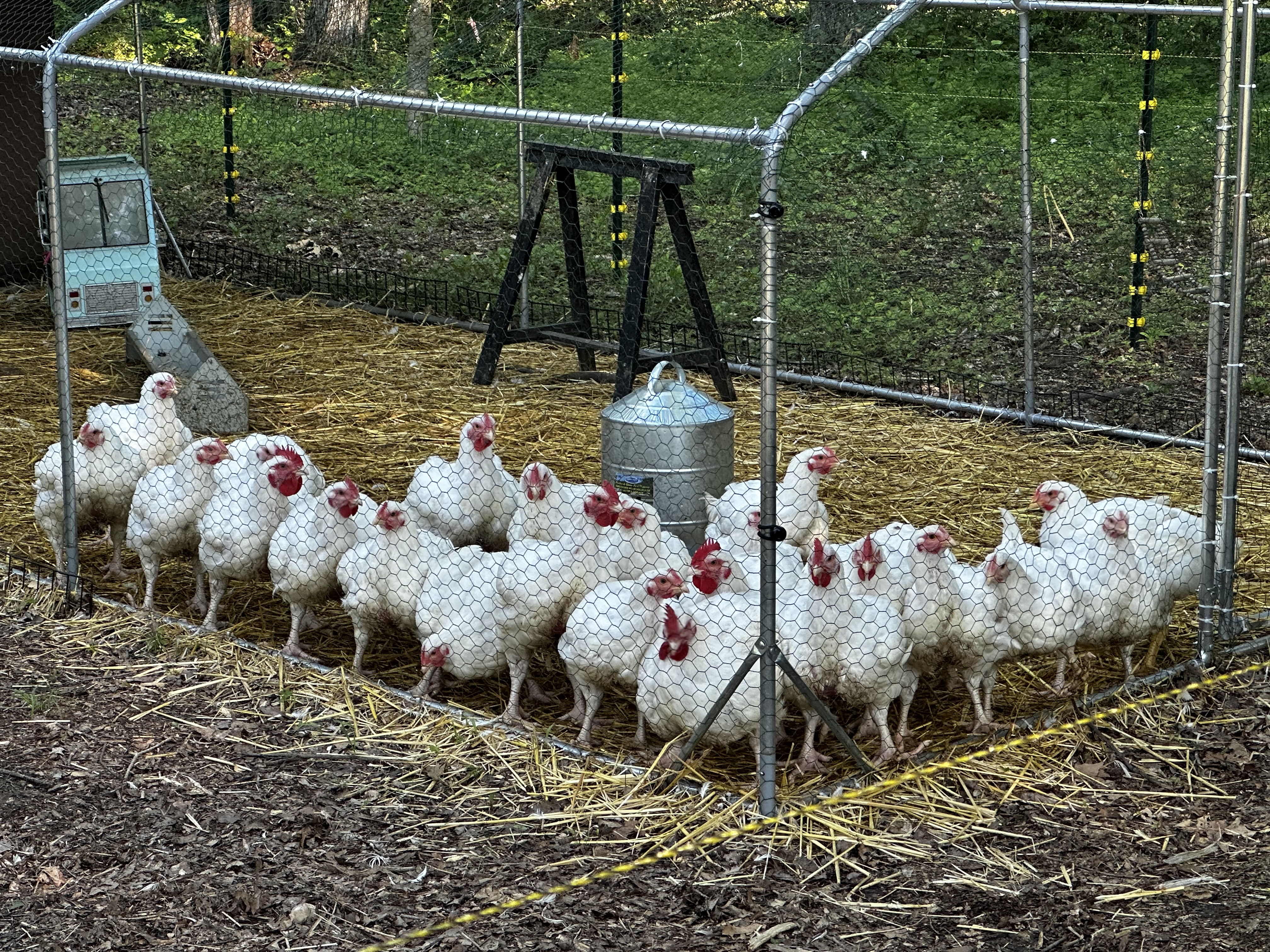
Some of the most profound lessons I’ve learned haven’t come from successes or abundance, but from moments of loss, and from the responsibility of harvest—especially when it comes to raising chickens.
The Reality Behind the Pictures
If you spend any time online, homesteading can look idyllic. Fresh eggs in woven baskets. Chickens scratching happily in golden light. A life that appears simple and wholesome.
And while those moments exist—they are real and meaningful—they are only part of the story.
There are also moments when you lose a bird unexpectedly. A predator finds a weakness. An illness moves faster than you can react. Weather turns harsh. Sometimes, despite your best care, you still lose an animal you’ve raised.
And then there are harvest days—when you intentionally bring an animal’s life to an end so that it may feed your family.
Both experiences change you.
Harvest Teaches Responsibility, Not Detachment
Harvesting chickens has never made me numb. If anything, it has made me more aware—more intentional—about life.
Raising your own food creates a direct connection between nourishment and responsibility. There is no abstraction. No anonymous process. You know exactly where your food comes from, because you were part of every step.
It teaches respect for life in a way that grocery store convenience never could.
Harvest is not casual. It’s not rushed. It’s done with care, gratitude, and a quiet understanding that life feeds life. That awareness has made me slower to waste, slower to complain, and far more grateful for every meal on our table.
Loss on the Homestead Hits Differently
Loss is inevitable when you keep livestock. Anyone who tells you otherwise either hasn’t been doing it long enough—or isn’t being honest.
What surprised me most wasn’t that loss happened, but how deeply it affected me.
Each chicken represents time, effort, learning, and hope. Losing one isn’t just losing an animal—it’s losing a small piece of the work you’ve poured yourself into.
But those losses have also taught me resilience.
You learn to grieve without quitting. To reflect without becoming bitter. To improve systems, strengthen coops, and educate yourself—while accepting that perfection doesn’t exist in nature.
The homestead doesn’t promise control. It teaches stewardship.
A Shift in Perspective About Life
Somewhere along the way, my perspective shifted.
I stopped seeing life as something to rush through or optimize endlessly. The homestead forces you into the rhythm of seasons, growth, decline, and renewal.
You begin to understand that life is fragile—and precious because of it.
That caring deeply doesn’t protect you from loss, but it makes the experience meaningful. That responsibility is heavy, but also grounding. And that purpose often comes wrapped in hard moments, not easy ones.
Why These Experiences Matter
Harvest and loss have taught me to:
- Be present
- Respect life in all its forms
- Accept responsibility for my choices
- Find meaning in work that is sometimes uncomfortable
- Appreciate food, time, and effort more deeply
This is not a life of convenience.
But it is a life of intention.
And once you’ve experienced that shift—once you’ve felt the weight and the gratitude that come with raising your own food—you don’t look at life the same way again.
The Homestead Changes You
Homesteading doesn’t just grow food. It grows perspective.
It teaches you that life is not about avoiding hardship, but about meeting it with care, responsibility, and humility.
And in that quiet understanding—somewhere between loss and harvest—you begin to realize that the homestead isn’t just changing how you live.
It’s changing who you are.




Leave a Reply