
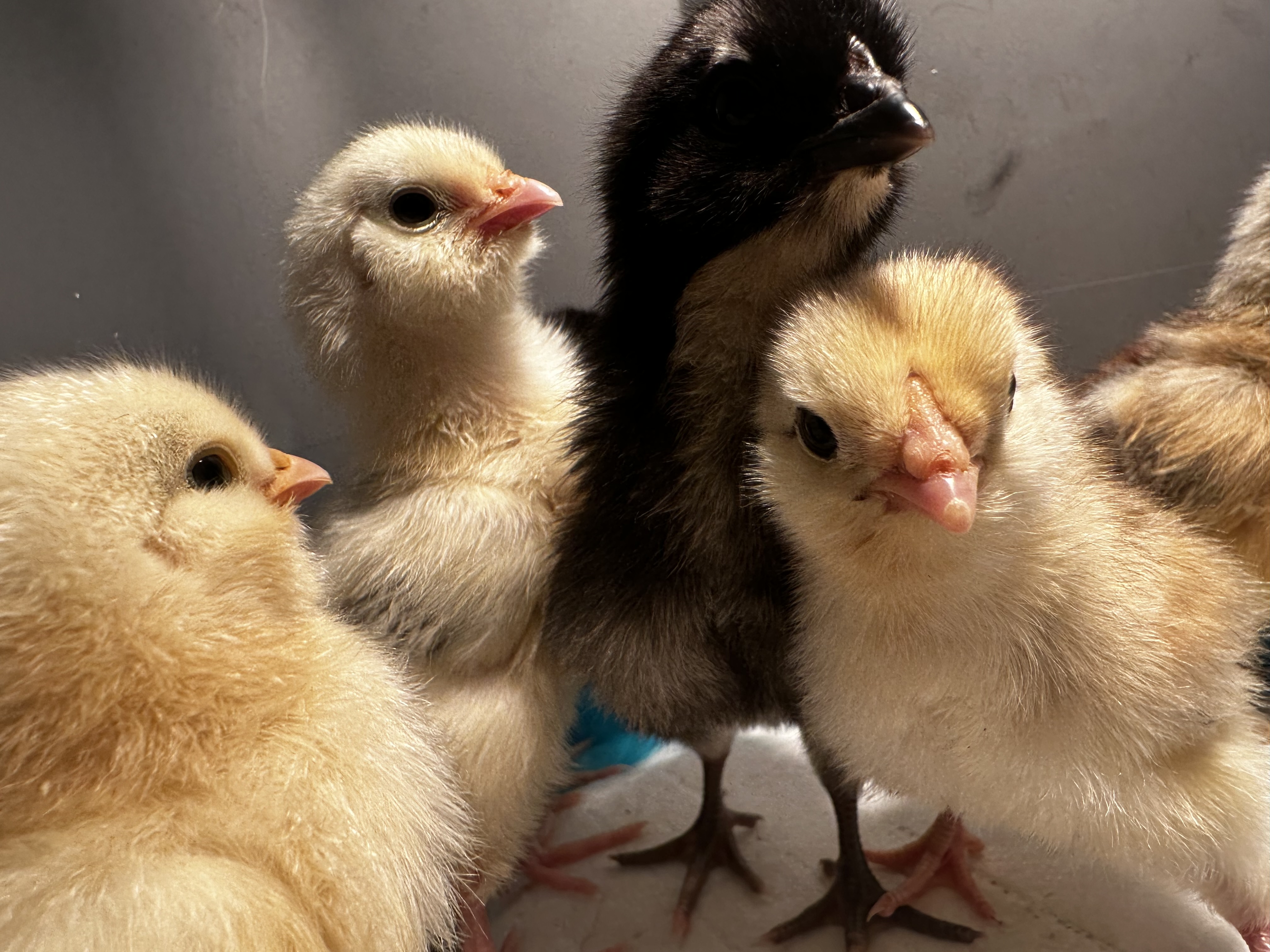
A Friendly Guide to Starting Your Flock the Right Way
There are few things more exciting on a homestead than placing that first chick order of the season. The breeds are chosen, the brooder is planned, and suddenly spring feels very close. But ordering chicks isn’t something to do impulsively. A little preparation goes a long way in ensuring healthy birds, smooth shipping, and a strong start for your flock.
If you’re wondering when to order, which hatchery to choose, whether to select straight run or sexed chicks, and how weather affects shipping—this guide will walk you through everything you need to know.

Choosing a Hatchery: Start with Quality and Reliability
One of the most important decisions you’ll make when ordering chicks is where you order from. A reputable hatchery impacts everything from bird health to shipping success.
On our homestead, we prefer Meyer Hatchery and Murray McMurray Hatchery for several reasons:
- They offer a variety of vaccinations (including Marek’s disease and others depending on breed availability).
- They have strong reputations for reliable hatching rates.
- Their shipping practices are consistent and dependable.
- Their breed descriptions are thorough and transparent.
When choosing a hatchery, look for:
- Clear vaccination options
- Detailed breed profiles
- Transparent shipping policies
- Customer reviews that discuss chick health upon arrival
Healthy chicks start with healthy breeding stock and professional hatchery management. It’s worth choosing wisely.
When Should You Order Chicks?
Timing matters more than many new chicken keepers realize.
Order Early — Especially for Popular Breeds
Most hatcheries open ordering months before shipping begins. Many experienced chicken keepers place orders in late fall or winter for spring delivery.
Why?
- Popular breeds sell out quickly.
- Early ordering gives you control over your preferred ship date.
- It gives you time to prepare your brooder properly.
If you wait until spring to order, your breed options may be limited.
Straight Run vs. Sexed Chicks: What’s the Difference?
One of the most common beginner questions is whether to order straight run or sexed chicks.
Straight Run
- Unsexed chicks
- Approximately 50% roosters, 50% hens
- Typically less expensive
Straight run can be a great option if:
- You’re comfortable rehoming roosters
- You want to raise meat birds
- You don’t mind the uncertainty
Sexed Chicks
- Professionally sorted by gender
- Higher cost
- Not 100% guaranteed, but highly accurate
If your goal is egg production and you cannot keep roosters due to zoning laws or noise considerations, sexed chicks are often the safer choice.
Always check your local ordinances before ordering.
Minimum Orders & Why They Matter
Most hatcheries require a minimum number of chicks per order—especially early in the season.
This isn’t just a sales tactic. It’s for the chicks’ survival.
Day-old chicks are shipped via USPS and rely on:
- Residual yolk nutrients
- Body heat from flockmates
The minimum order ensures enough chicks are in the box to stay warm during transit. In colder months, the minimum may be higher.
Some hatcheries allow smaller orders later in the season when temperatures are more stable.

Shipping Considerations: Cold Weather vs. Hot Weather
Weather plays a major role in chick shipping success.
Cold Weather Shipping
Early spring orders can be risky in colder climates.
Cold-related considerations:
- Higher minimum chick numbers
- Possible use of heat packs
- Delayed shipments due to severe weather
If you live in a region with unpredictable late-winter cold snaps, consider scheduling delivery slightly later in the season.
Hot Weather Shipping
Heat can be just as dangerous as cold.
Hot weather risks include:
- Overheating during transit
- Shipping delays increasing exposure time
- Limited airflow during extreme heat
In very warm regions, earlier spring shipments are often safer than late summer ones.
Prepare Before They Arrive
Ordering chicks is only half the process. Before they ship, ensure you have:
- A fully set-up brooder
- Heat source tested and stabilized
- Fresh chick starter feed
- Clean waterers
- Bedding ready
Chicks should never arrive to an unfinished brooder. Have everything in place several days before your expected delivery date.
Delivery Day: Be Ready
When your hatchery notifies you that chicks have shipped:
- Track the package closely
- Be prepared to pick them up at the post office
- Bring them home immediately
Upon arrival:
- Gently dip each chick’s beak in water (I always put electrolytes and vitamins in their water).
- Ensure they begin drinking.
- Monitor closely for the first few hours.
- Provide food and chick grit
Those first 24 hours are critical for hydration and stress recovery.
Starting Your Flock the Right Way
Ordering chicks is one of the most exciting moments in backyard chicken keeping. But thoughtful planning—choosing a reputable hatchery, ordering at the right time, understanding straight run versus sexed chicks, and preparing for weather-related shipping risks—sets the stage for success.
A healthy flock doesn’t begin in the coop. It begins the moment you click “place order.”
When done thoughtfully, ordering chicks becomes less stressful and far more rewarding. And before you know it, those tiny peeps will turn into a thriving, productive flock that feels like the heart of your homestead.




Leave a Reply