
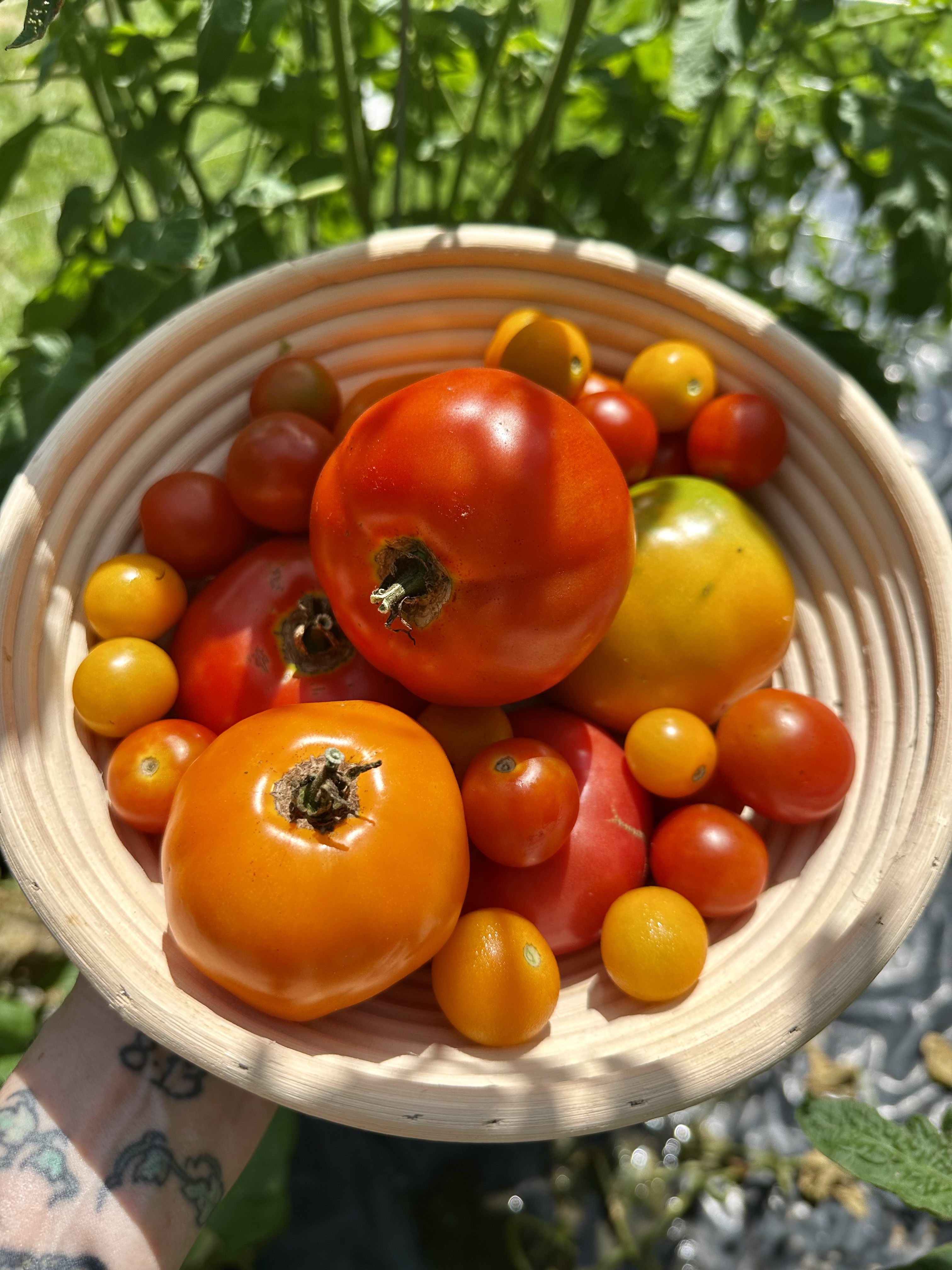
Gardening in Zone 7b, June is right around the corner!
If you’re gardening in Virginia, June can feel like both a reward and a race against the clock. Spring crops are growing beautifully, the days are longer, and suddenly the garden is bursting with potential. But June is also a critical planting month—especially here in Virginia, where our long growing season gives gardeners the opportunity to keep planting well into summer.
On our homestead, June is one of the busiest times in the garden. The tomatoes are finally taking off, the peppers are settling in, and we’re already thinking ahead to succession planting so the harvest doesn’t slow down later in the season. Whether you’re gardening in raised beds, containers, or a large backyard garden, June is the perfect time to keep your momentum going.
Here’s a friendly guide to what you can plant in a Virginia garden in June, along with tips for success during the warmer months.
Understanding Virginia’s June Growing Conditions
Virginia gardeners are spread across several USDA growing zones, but most of the state falls between Zones 6b and 8a. June typically brings warm soil temperatures, longer daylight hours, and increasing humidity. Those conditions are ideal for many heat-loving vegetables and flowers.
The biggest challenge? Heat and moisture management.
By June, Virginia gardens can quickly swing from heavy rainstorms to periods of intense heat. Mulching, watering deeply, and planting strategically become incredibly important.
For planting zone guidance, the USDA Plant Hardiness Zone Map is one of the best references available: USDA Plant Hardiness Zone Map
Vegetables to Plant in Virginia During June
Beans
June is an excellent time to plant bush beans and pole beans in Virginia. Beans thrive in warm soil and grow quickly during early summer.
Bush beans are great for quick harvests, while pole beans provide ongoing production throughout the season. We love succession planting beans every couple of weeks so that fresh harvests continue well into late summer.
Popular options include:
- Blue Lake beans
- Kentucky Wonder pole beans
- Provider bush beans
Beans also help improve soil health by fixing nitrogen naturally.
Cucumbers

If you haven’t planted cucumbers yet, June is not too late. In fact, cucumbers often perform better once the soil has thoroughly warmed.
Virginia’s humid summers can encourage powdery mildew, so spacing plants properly for airflow is extremely important.
Trellising cucumbers can:
- Save garden space
- Improve airflow
- Reduce disease pressure
- Produce straighter fruit
The gardening resources from Virginia Cooperative Extension are especially helpful for region-specific growing advice.
Squash and Zucchini
Summer squash absolutely thrives in June heat. Zucchini, yellow squash, and pattypan squash can all still be planted successfully this month.
One lesson we’ve learned on the homestead is that squash plants can go from tiny seedlings to overwhelming giants seemingly overnight. Give them plenty of room and keep an eye out for squash vine borers later in the season.
Consider planting:
- Black Beauty zucchini
- Yellow crookneck squash
- Costata Romanesco zucchini
Corn
Early June is typically the final window for planting sweet corn in much of Virginia.
Corn loves:
- Full sun
- Rich soil
- Consistent watering
Planting in blocks rather than single rows improves pollination dramatically. If you have the space, corn can be a rewarding summer crop for homesteaders.
Southern Peas and Okra
Some crops truly love the Virginia summer heat, and okra is one of them.
Okra often struggles in cool spring temperatures but absolutely takes off in June. Southern peas, including black-eyed peas and cowpeas, also thrive during hot weather and are excellent options for sustainable summer gardening.
These heat-loving crops are especially valuable when many cool-weather vegetables begin to struggle.
Herbs to Plant in June
June is also a fantastic month for herbs. Many herbs thrive once temperatures rise consistently.
Excellent June herb choices include:
- Basil
- Dill
- Oregano
- Thyme
- Lemon balm
- Parsley
Basil, especially, explodes during Virginia summers. Frequent harvesting encourages even more growth.
On our homestead, basil becomes one of the hardest-working plants in the garden this time of year. Between fresh recipes, preserving, and farmstand bouquets, we can never seem to plant enough.
Flowers That Benefit the Garden
Don’t overlook flowers in the vegetable garden. Pollinator-friendly flowers can dramatically improve garden productivity by attracting bees and beneficial insects.
Great June flower options include:
- Zinnias
- Marigolds
- Cosmos
- Sunflowers
- Nasturtiums
Since we keep honeybees on the homestead, we try to ensure something is always blooming throughout the growing season. The bees love it, and the garden absolutely benefits from the increased pollination.
The pollinator resources available from The Xerces Society are excellent for gardeners wanting to support beneficial insects naturally.
Don’t Forget Succession Planting
One of the biggest gardening lessons we’ve learned is that June is not the end of planting season—it’s the beginning of succession planting season.
Many gardeners plant everything in spring and then wonder why production slows later in the summer. By sowing additional rounds of crops like beans, cucumbers, lettuce, and carrots every couple of weeks, you can maintain steady harvests much longer.
Succession planting keeps the garden productive and helps maximize limited growing space.
June Gardening Tips for Virginia Homesteaders
Mulch Everything
Virginia heat can dry soil quickly. Mulching helps:
- Retain moisture
- Reduce weeds
- Regulate soil temperatures
- Improve soil health over time
Straw, untreated grass clippings, shredded leaves, and wood chips can all work well depending on the crop.
Water Deeply
Frequent shallow watering creates weaker root systems. Instead, aim for deep watering a few times per week, especially during heat waves.
Morning watering is usually best because it reduces evaporation and lowers disease risk.
Watch for Pests Early
June often marks the beginning of increased pest pressure in Virginia gardens.
Keep an eye out for:
- Squash vine borers
- Tomato hornworms
- Aphids
- Flea beetles
- Cabbage worms
Regular garden walks can help you catch problems before they become overwhelming.
For pest identification and integrated pest management guidance, University of Maryland Extension Home and Garden Information Center offers excellent educational resources that are helpful for Mid-Atlantic gardeners.
Final Thoughts
June gardening in Virginia is full of possibility. While the spring rush may feel like it’s winding down, there is still so much growing season left ahead. Some of the most productive crops of the year are just getting started.
Gardening in June is about embracing the rhythm of summer: planting intentionally, watering consistently, learning from setbacks, and celebrating the little victories along the way.
Here on our homestead, June is when the garden truly starts to feel alive. The bees are busy, the tomatoes are stretching taller every day, and every evening walk through the garden reveals something new growing.
And honestly? That’s one of the best parts of homesteading.



Leave a Reply