

There is one question we hear more than any other here at J & J Homestead.
“How do you have time to do all of this?”
Usually, the question comes after someone has visited our farmstand, watched one of our videos, or followed along as we harvest honey, gather eggs, pick vegetables from the garden, bake fresh bread and cookies, or care for our ever-growing flock of chickens and turkeys. When they learn that I have a full time career in addition to working with Jason to run the homestead, they’re often surprised.
The truth is much simpler than that.
We don’t have any more hours in the day than anyone else. We simply learned that if we wanted to build the life we dreamed about, we had to become intentional with the time we already had.
When we first started our homesteading journey, we made the same mistake that so many new homesteaders make. We believed that every project had to happen immediately. We wanted chickens, bees, gardens, fruit trees, a farmstand, homemade bread, fresh eggs, and enough vegetables to fill the pantry. Every new idea felt exciting, and every social media post made us feel like we needed to add one more thing to our growing list.
It didn’t take long to realize that trying to build everything at once wasn’t sustainable. Instead of enjoying the journey, we found ourselves racing from one project to the next, always feeling like there was something we hadn’t finished.
That was probably the biggest lesson we’ve learned since starting our homestead.
A productive homestead isn’t built in a single season. It’s built one project, one lesson, and one routine at a time.
Today, our days begin long before sunrise. While the rest of the neighborhood is still sleeping, the coffee is brewing, and the quiet of the morning has become one of my favorite parts of the day. Those early hours are when I write blog posts, answer emails, plan content, organize baking schedules, and prepare for everything the day will bring. It’s amazing how much can be accomplished before most people even begin their morning.
Those quiet hours have become one of the greatest gifts our homestead has given us.
By the time work begins, many of the day’s most important tasks are already finished, and that creates space for everything else that follows.
One of the biggest reasons we’ve been able to balance full-time careers with a productive homestead is that we’ve stopped relying on motivation.
People often ask how we stay motivated to wake up early, tend the animals after work, bake for the farmstand, and keep everything moving forward.
The honest answer is that we don’t.
Motivation comes and goes. Some mornings you’re excited to head outside. Other mornings you’d much rather stay in bed a little longer. If we waited until we felt motivated, the chickens wouldn’t care. The garden wouldn’t pause because we were tired. Tomatoes would still need picking, eggs would still need collecting, and the bread still needed to be baked before customers arrived.
Instead of relying on motivation, we’ve built routines.
The chickens are fed because that’s what happens every morning. The garden is watered because it’s part of our evening schedule. Baking begins on the same days each week because that’s how we prepare for the farmstand. Once those routines became habits instead of decisions, balancing everything became much easier.
Another lesson that has completely changed the way we operate is learning to plan ahead instead of constantly reacting.
Homesteading has a way of reminding you that nature works on its own schedule. Seeds need to be ordered long before planting season arrives. Meat birds have to be reserved months in advance. Fall gardens begin during the hottest weeks of summer. Honey is harvested when the bees—and the weather—decide it’s ready, not necessarily when it’s convenient for us.
We’ve learned to stay one season ahead whenever possible.
When we’re harvesting tomatoes in July, we’re already thinking about cool-weather crops. While we’re enjoying summer vegetables, we’re planning where the fall brassicas will go. As we’re bottling honey, we’re already thinking about preparing the bees for winter.
That kind of planning doesn’t make life more complicated. It actually makes it much less stressful because we’re rarely scrambling at the last minute.
Something else we’ve learned is that every season deserves its own pace.
Spring feels exciting because everything is growing. Summer is filled with harvesting, preserving food, and long evenings in the garden. Fall shifts toward preparation, cooler weather crops, and getting animals ready for winter. Then winter gives us permission to slow down, repair equipment, learn new skills, and dream about what the next season might bring.
Understanding those natural rhythms has helped us stop expecting every month to look the same. Some weeks are incredibly productive. Other weeks are simply about keeping everything healthy and moving forward. Both are successful weeks.
Of course, none of this would be possible without working together.
Jason and I naturally divide responsibilities based on our strengths and schedules. Sometimes one of us is caring for the animals while the other is harvesting vegetables or preparing baked goods. Other days one of us is building something around the property while the other is updating the website, answering customer questions, or preparing inventory for the farmstand.
We’re both working toward the same goal, even if we’re doing different jobs.
That teamwork makes all the difference.
Technology has also become one of the most useful tools on our homestead, even though many people are surprised to hear that.
We use digital calendars to schedule planting dates, inventory spreadsheets to keep track of what sells in the farmstand, online payments to make shopping easier for our customers, and our website to share everything we’re learning with thousands of other aspiring homesteaders.
Technology hasn’t taken away from our homesteading lifestyle.
If anything, it’s given us more time to enjoy it.
Perhaps the hardest lesson of all has been learning to stop comparing our homestead to everyone else’s.
Social media has a funny way of making every garden look perfect, every chicken coop spotless, and every harvest abundant. What it rarely shows are the weeds, the broken fences, the unexpected veterinary bills, the crops that failed, or the days when you’re simply exhausted after a full day at work.
Every homestead has challenges.
Every single one.
Success isn’t measured by having the biggest garden or the most animals. It’s measured by building a life that reflects your own values and brings your family joy.
Whenever life becomes especially busy, I try to remind myself why we started this journey.
It wasn’t because we wanted more work.
It wasn’t because we were trying to impress anyone.
We simply wanted to build a life that felt more connected—to our food, to the seasons, to our community, and to each other.
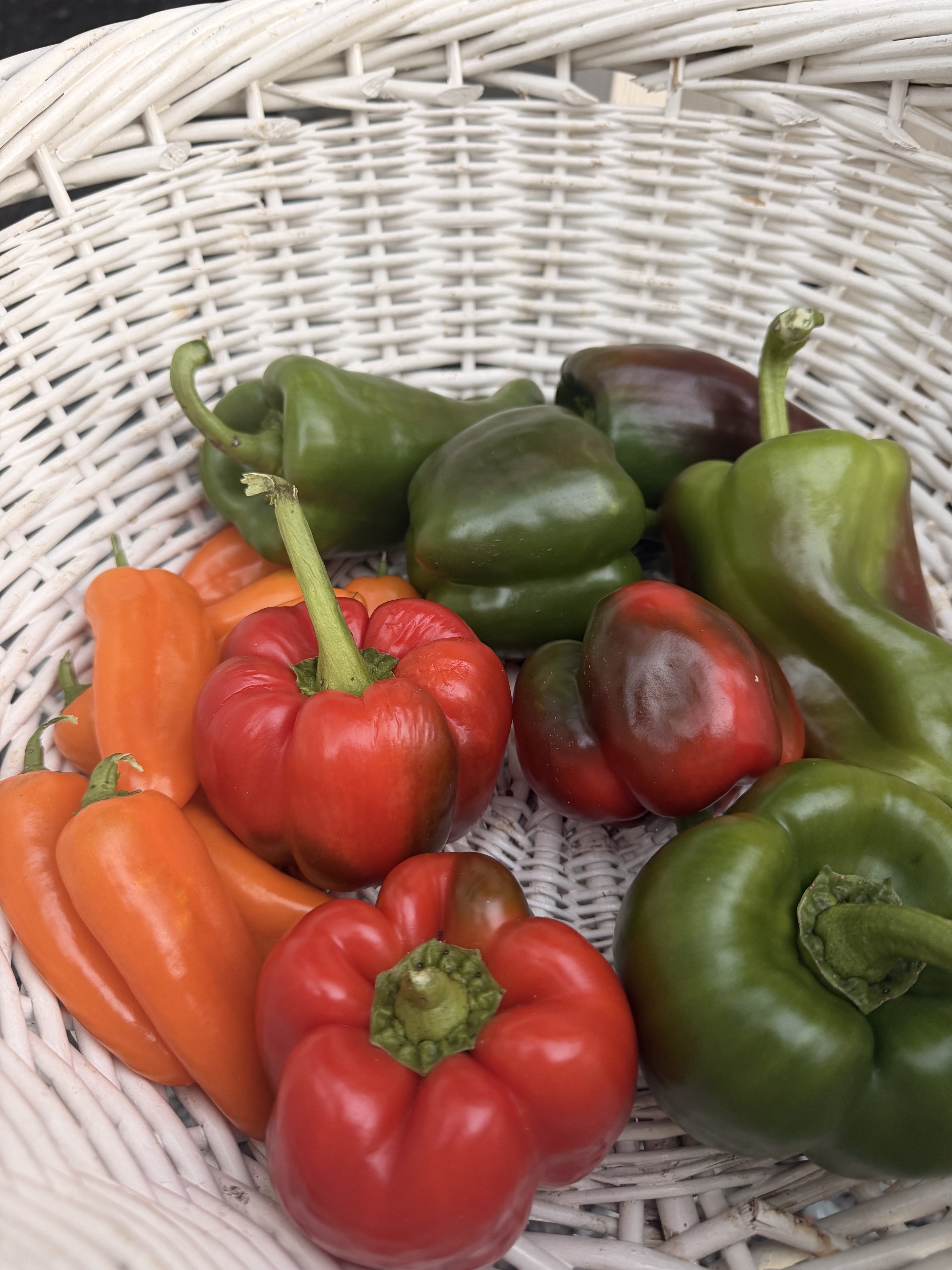
Every loaf of bread cooling on the counter, every basket of tomatoes carried in from the garden, every dozen fresh eggs collected, and every jar of honey bottled is a reminder that those early mornings and long evenings are creating something meaningful.
If you’re wondering whether it’s possible to balance a full-time career with a productive homestead, I hope our experience encourages you.
You don’t need hundreds of acres.
You don’t need unlimited free time.
You don’t need to quit your job.
You simply need to begin.
Plant one garden bed. Raise a handful of chickens. Learn one new skill this season. Build routines that fit your life instead of trying to copy someone else’s.
Little by little, those small decisions grow into something far greater than you ever imagined.
Looking around J & J Homestead today, I don’t see perfection. I see years of early mornings, thoughtful planning, countless lessons, and steady progress. More importantly, I see a life that feels deeply rewarding.
Balancing a full-time career and a productive homestead isn’t about doing everything perfectly.
It’s about choosing what matters most, making time for it, and trusting that every small step forward is helping build the life you’ve always wanted.





Leave a Reply