
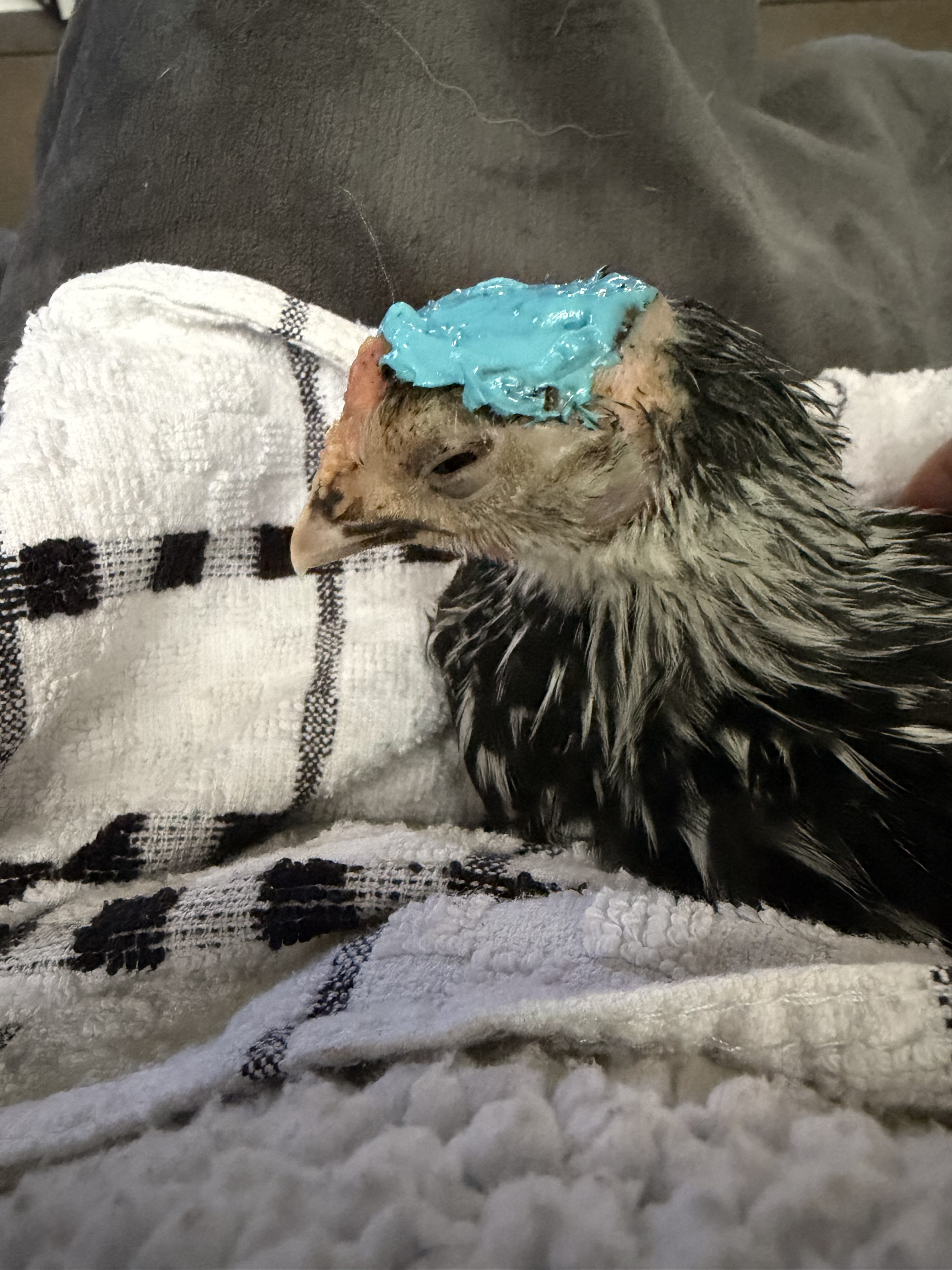
If you’ve ever thought raising chickens was as simple as tossing a little feed into the coop each morning and collecting fresh eggs in the afternoon, let me gently welcome you to reality.
Don’t get me wrong—I absolutely love raising chickens. They’re curious, hilarious, productive, and every single one somehow develops a personality all its own. They’ve become one of my favorite parts of life here at J & J Homestead.
But if there’s one thing I’ve learned over the past few years, it’s that chickens have a way of keeping you humble.
Just when I think I’ve finally figured them out, they throw something new my way. Every season brings fresh lessons, and this year has certainly been no exception. Looking back over the past several months, five challenges seem to surface again and again. None of them have made me question whether raising chickens is worth it. In fact, they’ve made me a better chicken keeper. They’ve simply reminded me that caring for a flock means learning something new every day.
1. Broodiness
The first challenge has been broodiness—and it feels like this year we’ve had more broody hens than ever before.
Some breeds are simply more inclined to become mothers, and I’m quickly learning exactly which girls in our flock fall into that category. It seems like every time I lift the lid on a nesting box, another hen has decided she’s officially retired from laying eggs and promoted herself to full-time motherhood.
A broody hen isn’t sick. She’s simply convinced those eggs beneath her are going to hatch, whether there’s a rooster around or not. She’ll puff herself up, make the funniest dinosaur-like noises, and fiercely defend what she believes are her future chicks.
As entertaining as it can be to watch, broodiness also creates challenges. Broody hens spend most of the day on the nest instead of eating, drinking, or laying eggs. During Virginia’s summer heat, that reduced food and water intake becomes something I pay close attention to. If we aren’t planning to hatch chicks, I usually work to break the broody cycle fairly quickly so the hen can return to her normal routine. Some days it feels like as soon as one hen snaps out of it, another decides it’s her turn.

2. Coccidiosis
Just as we’ve learned to manage broodiness, another challenge always seems to be waiting around the corner—coccidiosis.
If you’ve raised chickens for any length of time, you’ve probably either dealt with coccidiosis or know someone who has. It’s one of the most common illnesses affecting young birds, and while nobody enjoys talking about it, pretending it doesn’t exist doesn’t help anyone.
Instead, we’ve learned that preparation is everything.
That’s why Corid always has a place in our poultry first aid kit. I hope we rarely need it, but I’d much rather have it on the shelf than spend valuable time searching for treatment after symptoms appear.
More importantly, preventing coccidiosis begins long before any bird gets sick. We work hard to keep bedding dry, clean waterers every day, avoid overcrowding, and watch our younger birds closely. Those simple routines don’t seem particularly exciting, but they’ve taught me one of the biggest lessons in chicken keeping: prevention is almost always easier than treatment.
3. Bullying
Of course, keeping chickens healthy isn’t only about disease. Sometimes the biggest problems come from the chickens themselves. Chickens can be surprisingly mean.
People often imagine chickens peacefully scratching around together all day, but every flock has a pecking order, and occasionally personalities collide. Most disagreements are harmless, but every once in a while one bird decides another simply doesn’t belong.
We’ve seen chasing, feather pulling, and even birds trying to keep another hen away from food and water. Bullying most often appears when we introduce new birds or move young pullets into the laying flock. Because of that, we’ve learned to take introductions slowly and watch everyone carefully. Usually, things settle down within a few days. When they don’t, it’s our job to step in before someone gets hurt.
Watching flock behavior has become just as important as checking for physical illness. Sometimes a chicken tells you something is wrong long before any obvious symptoms appear.

4. The Heat
Then summer arrives.
If you’ve never experienced a Virginia summer, imagine opening your front door and walking into what feels like a giant sauna. When temperatures climb into the upper 90s—and especially when they cross the 100-degree mark—our entire daily routine shifts toward helping the flock stay comfortable.
Every run has multiple sources of fresh water. We add electrolytes when conditions call for them, run fans throughout the day to improve airflow, and make sure every enclosure has plenty of shade. Water gets refreshed more often because cool, clean water encourages the birds to drink, and sometimes I simply stand in the coop for a minute to feel the airflow myself. If it feels uncomfortable to me, I know the chickens probably aren’t comfortable either.
Our goal isn’t just helping them survive the heat. We want them to continue thriving despite it. That small shift in mindset changes everything about how we approach the hottest weeks of the year.
5. Predators
just when I think we’ve solved one challenge after another, nature usually reminds me that someone else is always watching the coop.
A few weeks ago, that reminder came in the form of a snake.
Somehow, despite everything we’d done to secure the coop, it found a way inside. Thankfully, we discovered it before it caused significant losses (sadly, we did lose one small chicken), but it reinforced a lesson every chicken keeper eventually learns: predators never stop looking for opportunities.
Over the years we’ve dealt with hawks, reinforced turkey runs after predator attacks, added hardware cloth where we thought it wasn’t necessary, and continually improved our fencing. Every encounter teaches us something new about protecting our animals. Predator-proofing isn’t a project you finish once—it’s an ongoing process of observing, improving, and staying one step ahead whenever possible.
The Bigger Lesson Chickens Continue to Teach Me
When people ask me if raising chickens is difficult, I always find myself giving the same answer.
It isn’t usually one giant problem that makes chicken keeping challenging. It’s the dozens of little things that ask for your attention every single day.
One hen decides she’s going broody. A chick seems quieter than usual. Two pullets start arguing. The weather forecast suddenly predicts 102 degrees. A predator discovers a weakness you never noticed before.
None of those moments mean you’re failing.
They’re simply part of caring for living animals.
The longer I spend with our flock, the more I realize that successful chicken keeping isn’t about preventing every problem. It’s about paying attention, noticing small changes before they become big ones, and learning from every challenge that comes your way.
That’s what makes this lifestyle so rewarding.
Every season teaches us something new.
Every challenge makes us better stewards of our animals.
And despite the broodiness… despite the coccidiosis… despite the bullying… despite Virginia’s relentless summer heat… and yes, even despite the snake that somehow found its way into our coop…
Today, I’ll still walk out to the chickens with a smile on my face.
Because I honestly wouldn’t trade this life for anything.




Leave a Reply