

What’s a thing you wish schools actually taught?
There are plenty of things I learned in school that have served me well over the years. Reading, writing, math, science, and history all created a foundation that I still rely on every single day. But the longer we live this homesteading life, the more I find myself thinking about another question: What practical skills do I wish schools taught our kids today?
Homesteading has a funny way of changing how you look at education.
When you grow vegetables, raise chickens and turkeys, keep bees, bake from scratch, preserve food, repair things instead of immediately replacing them, and learn to work with the seasons, you quickly realize how much knowledge is required simply to produce some of the things we normally buy without a second thought.
And I can’t help but think that some of these basic life skills deserve a place in education, too.
Not because every child needs to grow up and become a farmer or homesteader. They don’t.
But every child will eventually become an adult who needs to feed themselves, manage money, solve problems, care for their belongings, understand where their food comes from, and figure out what to do when something doesn’t go according to plan.
Those are skills worth teaching.
I Wish Schools Taught Kids How to Grow Food
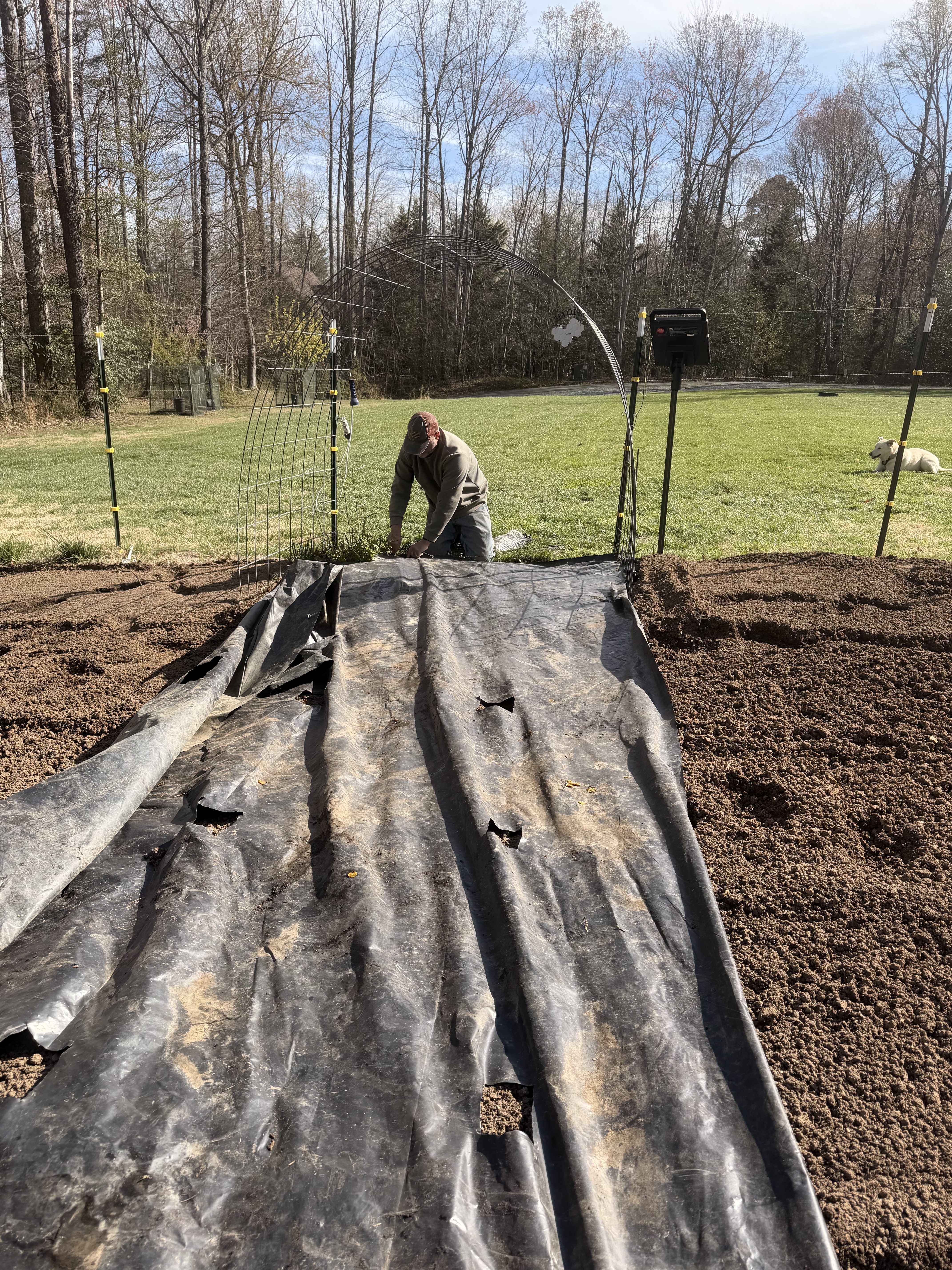
If I could choose one practical skill for every child to experience, gardening would be near the top of my list.
There is something powerful about putting a tiny seed into the soil, caring for it, watching it grow, and eventually harvesting food from that same plant.
Growing a tomato teaches far more than how to grow a tomato.
You learn about soil, water, insects, weather, plant biology, patience, responsibility, and problem-solving. You learn that sometimes you can do everything correctly and still lose a plant. You also learn that sometimes a struggling plant can surprise you and produce an incredible harvest.
Imagine if every student graduated knowing how to grow a few basic vegetables.
They wouldn’t need acres of land. They wouldn’t even need a traditional garden. A tomato plant in a container, lettuce in a raised bed, or herbs growing on a windowsill can teach many of the same lessons.
Knowing how food grows creates an entirely different appreciation for what appears on the dinner table.
I Wish Schools Taught More About Where Food Comes From
Before homesteading, it was easy to walk into a grocery store and simply see food.
Now I see everything that happened before that food reached the shelf.
I see the seed that had to be planted, the chicken that had to be cared for, the bee that pollinated the flower, the farmer watching the weather forecast, and the countless hours of work between planting and harvest.
Children should understand that eggs don’t simply come from cartons and vegetables don’t magically appear in grocery stores.
Food production is an incredible combination of agriculture, biology, economics, weather, transportation, animal husbandry, and human labor.
Understanding that process can also help children develop greater respect for farmers, agricultural workers, and the natural resources required to feed a community.
You don’t have to become a farmer to benefit from understanding agriculture.
You simply have to eat.
I Wish Every Child Learned How to Cook From Scratch
Cooking is another skill that I believe deserves far more attention. Not gourmet cooking. Not complicated recipes requiring expensive ingredients. Just basic cooking.
How do you make a loaf of bread?
How do you cook an egg?
How do you turn flour, butter, sugar, and eggs into something completely different?
How do you make a soup using ingredients you already have?
How do you safely handle raw meat?
How do you read a recipe and adjust it when you need twice as much—or half as much?
Cooking combines math, chemistry, reading comprehension, nutrition, planning, creativity, and budgeting in a way that feels incredibly practical.
As someone who spends a lot of time baking for our farmstand, I have developed an even greater appreciation for the science behind food. Baking alone can teach lessons about ratios, temperature, fermentation, proteins, fats, sugars, and chemical reactions.
And at the end of the lesson? You get to eat the experiment.
That’s a pretty good science class.
I Wish Schools Taught Basic Animal Care
Not every child will grow up with chickens, turkeys, rabbits, bees, or livestock.
But learning how to care for another living creature teaches something incredibly valuable: responsibility.
Animals don’t care if you’re tired. They don’t care if it’s raining. They don’t care if you’d rather sleep another hour.
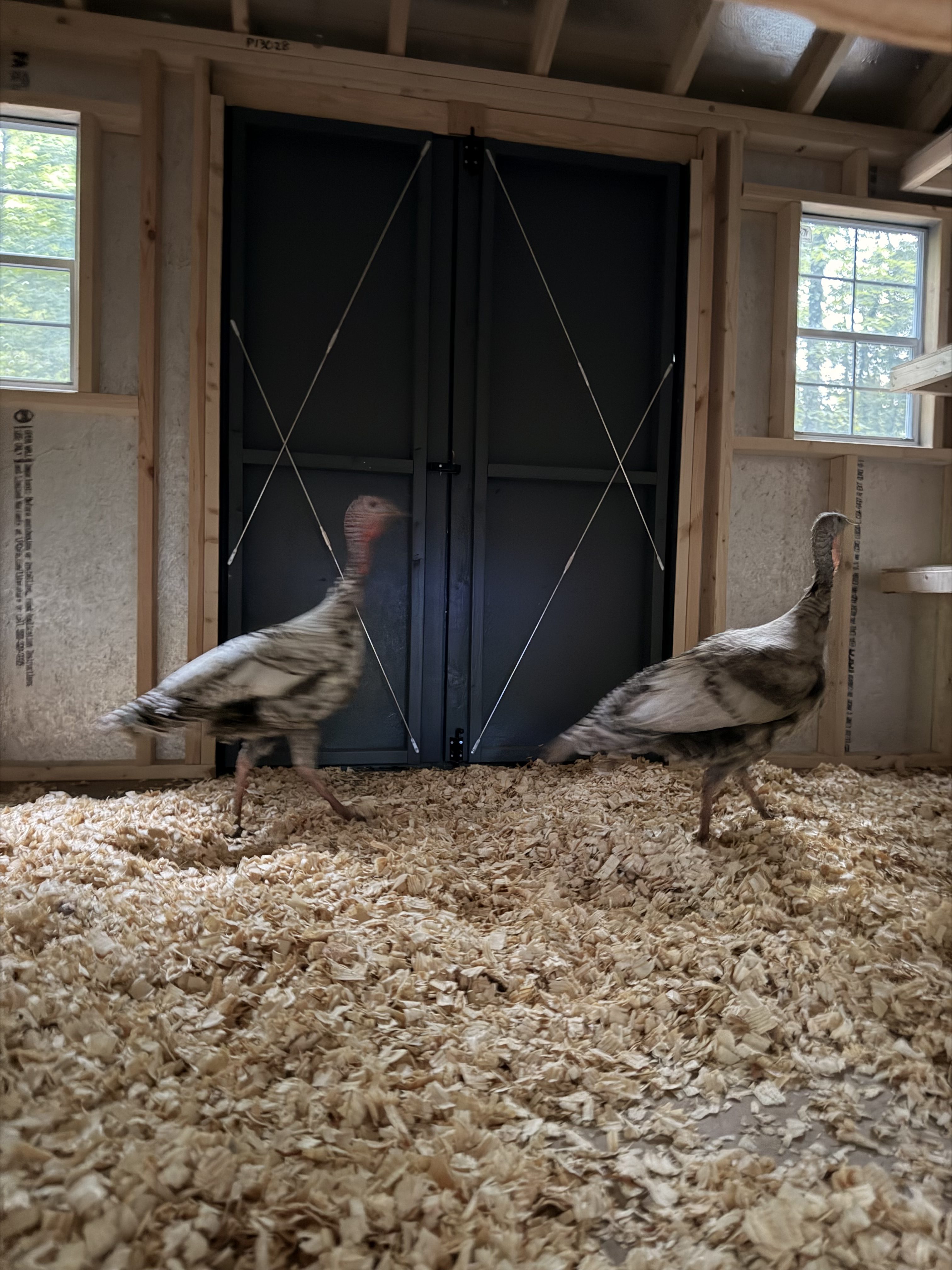
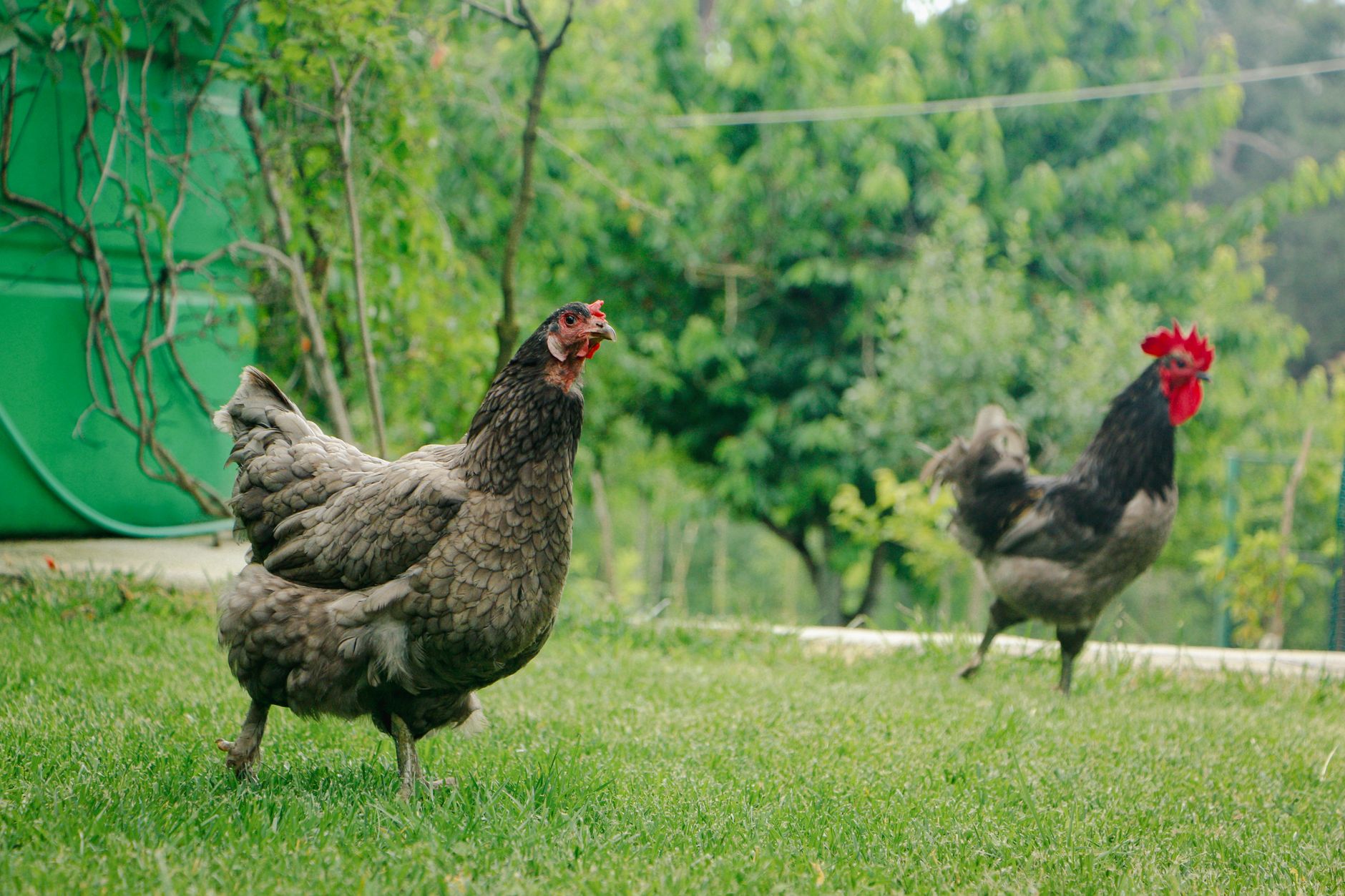
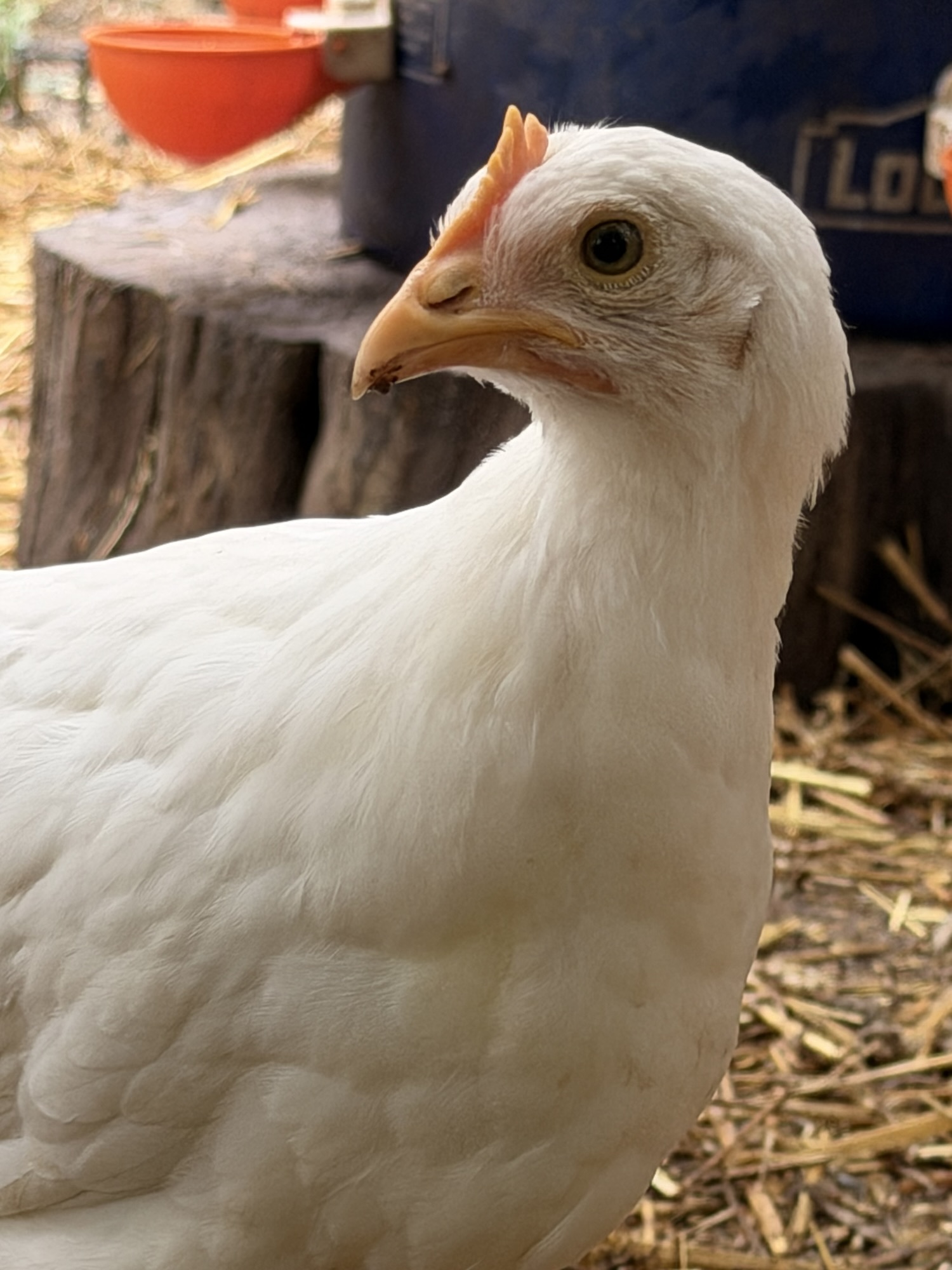
If an animal depends on you for food, water, shelter, and protection, you get up and take care of it. That responsibility is one of the greatest lessons homesteading continues to teach me.
Basic animal education could also help children understand animal behavior, nutrition, health, ecosystems, and humane treatment. Even learning something as simple as how to safely approach an unfamiliar animal is useful knowledge.
I Wish Schools Taught Basic Home and Tool Skills
There is tremendous confidence in knowing that when something breaks, your first reaction doesn’t have to be, “Who do I call?”
Sometimes the answer can be, “Let me see if I can fix it.”
Homesteading constantly puts that philosophy to the test. Something always needs repairing, building, adjusting, cleaning, sharpening, replacing, or improving.
Knowing how to safely use a hammer, screwdriver, drill, measuring tape, level, wrench, and a few other basic tools can serve someone for the rest of their life.
Students could learn how to hang a shelf, repair a loose hinge, find a wall stud, unclog a simple drain, patch a small hole, shut off water in an emergency, or understand the basics of a home’s electrical panel.
Again, we’re not trying to turn every student into a carpenter, electrician, or plumber.
We’re teaching them to become capable adults.
I Wish Schools Taught Food Preservation
One of the things homesteading has helped me appreciate is the difference between abundance and waste.
A garden can spend weeks giving you almost nothing. Then suddenly you have zucchini everywhere. Tomatoes are covering the counters. Peppers need picking. Herbs need cutting. And you begin wondering why you thought planting that many plants was a good idea.
That’s when food preservation becomes incredibly valuable.
Canning, freezing, dehydrating, fermenting, and other preservation methods are skills humans relied upon for generations. Understanding safe food preservation teaches students about microorganisms, temperature, acidity, food safety, and resourcefulness.
It also teaches an important lesson:
Having more than you need today doesn’t mean it has to go to waste.
You can preserve some for tomorrow.
I Wish Schools Taught Personal Finance Through Real Life
Most adults eventually need to understand checking accounts, credit cards, loans, taxes, insurance, retirement accounts, interest rates, household budgets, and mortgages.
Yet many people encounter these things for the first time when real money—and real consequences—are already involved.
Imagine students learning financial literacy through practical projects.
Give them a pretend monthly salary.
Now subtract taxes.
Choose housing.
Pay utilities.
Buy groceries.
Budget transportation.
Save for emergencies.
Then give them an unexpected car repair.
Suddenly, percentages and multiplication become much more interesting.
Homesteading has made budgeting even more tangible for me because nearly every project involves balancing cost against benefit. Seeds cost money. Animal feed costs money. Building materials cost money. Equipment costs money.
Understanding whether something makes financial sense is just as important as knowing how to do it.
I Wish Schools Taught Entrepreneurship
Running a small farmstand has reinforced how valuable basic business skills can be.
Students could learn how to take a simple idea and turn it into a small business.
What does something cost to produce?
How should you price it?
What is profit?
What is revenue?
How do you track inventory?
How do you market a product?
How do you treat customers?
What happens when something doesn’t sell?
Even something as simple as running a school garden stand or small student market could combine agriculture, math, writing, communication, technology, marketing, and economics.
More importantly, it could teach children that creating something of value is possible.
I Wish Schools Taught How to Be Resourceful
This might be the biggest lesson of all. Homesteading rarely goes exactly according to plan. Animals get sick. Seeds don’t germinate. Equipment breaks. Weather changes. Predators show up. Recipes fail. Gardens become overwhelmed by insects.
And sometimes you simply stand there staring at a problem thinking, Well…now what?
Then you figure it out.
You research.
You ask someone with more experience.
You try something.
Sometimes it works.
Sometimes it doesn’t.
Then you try again.
That ability to encounter a problem without immediately becoming defeated may be one of the most valuable skills we can give the next generation.
I Wish Schools Taught That Failure Is Part of Learning
This lesson deserves its own place.
Homesteading will humble you quickly. You can read every book, watch every video, prepare everything perfectly, and still fail.
Plants die.
Chicks don’t make it.
Bread doesn’t rise.
Harvests disappoint.
Projects take twice as long as expected.
But tomorrow morning, the animals still need feeding and the garden still needs tending.
So you keep going.
Failure becomes information.
What happened? What can I change? What should I do differently next time?
Imagine if children became comfortable asking those questions instead of believing that getting something wrong meant they weren’t good at it.
That mindset extends far beyond homesteading.
I Wish Schools Taught More About Community
One of the biggest surprises of our homesteading journey has been discovering how important community is.
None of us knows everything.
One person knows chickens. Someone else understands bees. Another person can grow tomatoes better than anyone you’ve ever met. Someone knows how to repair an engine. Another knows how to preserve food.
And when those people share what they know, everyone becomes a little more capable.
That’s something I would love to see emphasized even more with young people.
Being independent doesn’t mean doing everything alone.
Sometimes true self-reliance means knowing what you can do yourself, knowing when you need help, and being willing to help someone else when you have knowledge they need.
Maybe We Need a Little More “Life” in Education
I’m certainly not suggesting that traditional academics aren’t important. They absolutely are.
But perhaps there is room alongside algebra, literature, history, and science for a little more practical life education.
Grow something.
Cook something.
Build something.
Fix something.
Care for something.
Budget something.
Sell something.
Preserve something.
And occasionally fail at something. Then figure out what went wrong and try again.
Not every student who learns to grow vegetables will become a gardener. Not every student who learns to bake bread will become a baker. Not every student who learns basic tool skills will become a carpenter.
That’s not really the point.
The goal is to help young people become confident, resourceful adults who aren’t intimidated by ordinary life.
Homesteading has taught me that self-sufficiency isn’t about knowing how to do everything. It’s about believing that you can learn how to do things you don’t know yet.
And if there were one lesson I could put into every classroom, that might be it.
Because someday the garden will fail.
The chicken coop door will break. The recipe won’t work. The budget will get tight.
Something unexpected will happen.
And instead of thinking, “I can’t do this,” maybe they’ll think:
“I don’t know how to do this yet—but I can figure it out.”
That sounds like a pretty valuable education to me.


Leave a Reply