

Sometimes the biggest celebrations on a homestead come in the smallest packages.
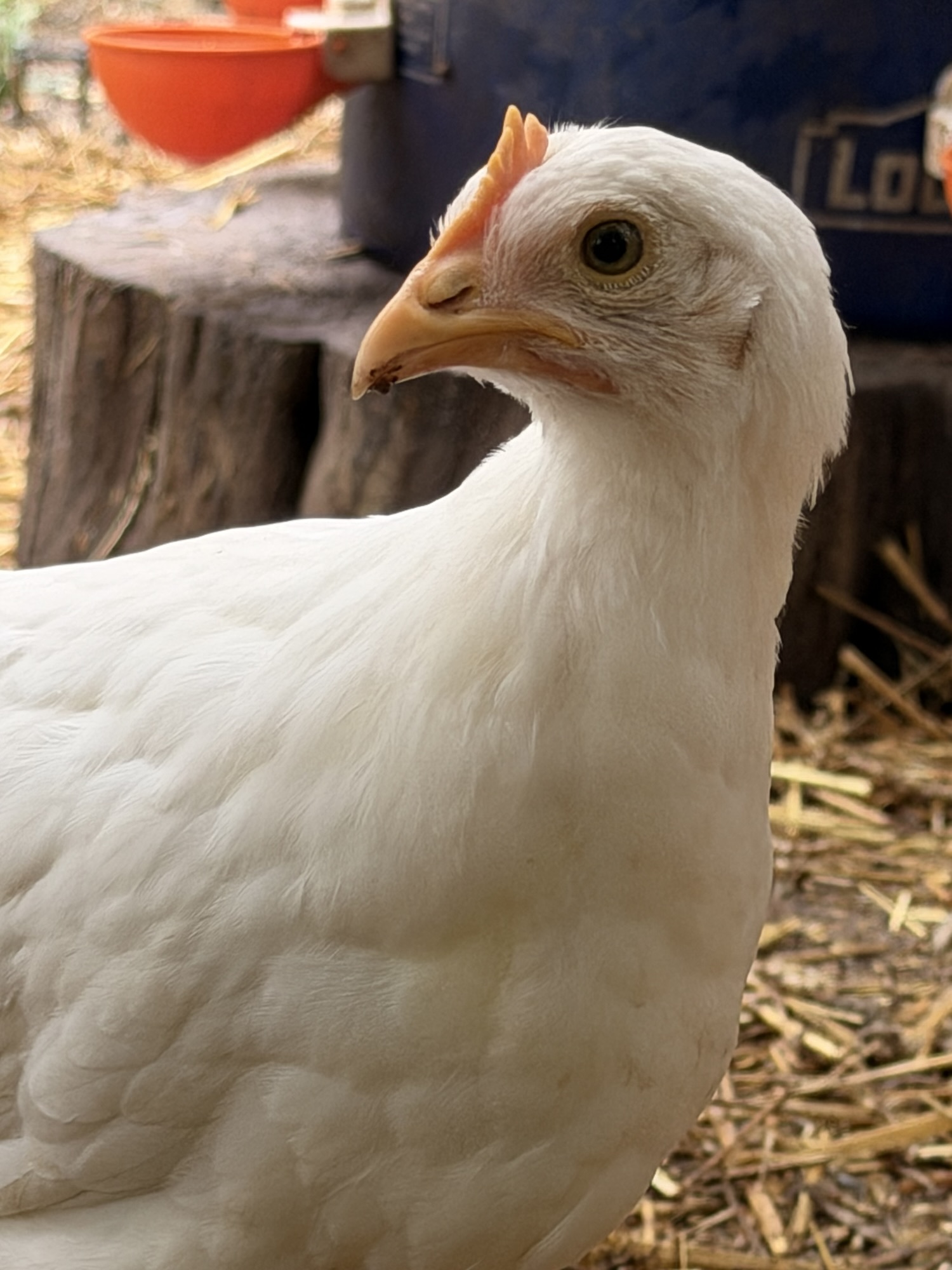
Yesterday, we walked out to check on the chickens we recently brought home after they needed to be rehomed, and we discovered something that immediately made me smile: both of the rescued hens had laid an egg.
Two eggs.
On a homestead where we have plenty of chickens and collect eggs regularly, two eggs might not sound particularly exciting. But these two eggs were different.
They felt like a milestone.
An Update on Our Rescued Chickens
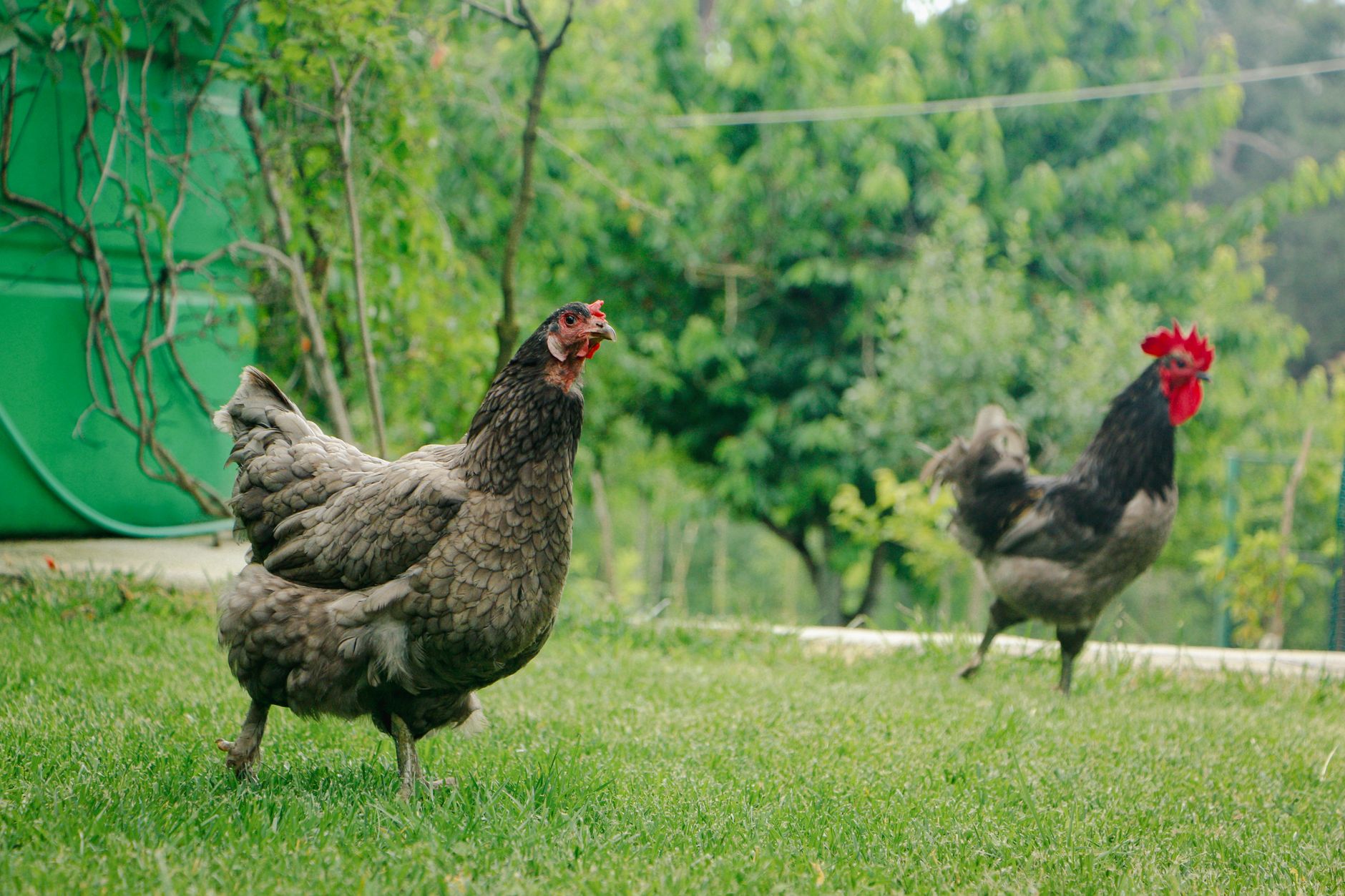
When we brought home these chickens, we knew we weren’t simply adding three more birds to the homestead. We were taking responsibility for a rooster and two hens whose history we didn’t completely know.
From the beginning, our priority was their health.
Rather than immediately introducing them to our existing flock, we placed them in their own coop and run. Biosecurity is incredibly important whenever you bring new chickens onto a homestead, but it becomes even more important when you don’t know much about where the birds came from or their previous health history.
We could also tell that these chickens needed some extra attention.
Our goal wasn’t to rush anything. It was to give them a clean, quiet place where they could eat, drink, rest, and begin adjusting to their new surroundings while we monitored them closely.
And then yesterday happened.
Both hens laid eggs.
Why Laying Eggs Is Such an Encouraging Sign
Chickens are remarkably good at telling us when something isn’t right, although sometimes their signals can be subtle.
One of those signals can be a change in egg production.
Stress can temporarily cause hens to slow down or completely stop laying. Moving to a new home alone can be stressful. Add changes in their coop, flock, feed, routine, weather, or overall health, and it isn’t unusual for egg production to be affected.
That is why seeing eggs from both hens on the same day felt so significant.
It doesn’t guarantee that every health concern has disappeared, and we will absolutely continue watching them carefully. But it is an encouraging indication that their bodies have enough resources to devote energy toward egg production.
For us, that feels like progress.
Chickens Need to Feel Safe Before They Can Thrive
One of the things I have learned repeatedly while raising chickens is that simply keeping an animal alive isn’t the same thing as helping that animal thrive.
Food, clean water, shelter, protection from predators, appropriate veterinary care when needed, parasite management, and a clean environment all contribute to a chicken’s overall well-being.
But so does something that is harder to measure: security.
These hens have experienced a tremendous amount of change in a short period of time. They left the home they knew, traveled to a completely unfamiliar place, met new humans, heard new chickens, encountered new routines, and moved into a completely different coop.
Even positive change can still be stressful.
Giving rescued or rehomed chickens time to decompress is important. They don’t need to immediately become part of the larger flock. They don’t need to immediately behave like every other chicken on the homestead.
Sometimes they simply need time.
And that’s exactly what we’ve been trying to give them.
Those Two Eggs Meant More Than Breakfast
I don’t think I’ll ever look at eggs from these two hens quite the same way.
Eggs are obviously one of the wonderful benefits of raising backyard chickens, but yesterday those eggs represented something entirely different.
They represented hope.
They represented two hens who appear to be becoming comfortable enough in their new environment that their bodies are returning to a more normal rhythm.
They represented another small step forward in their recovery.
And they reminded us why we agreed to bring these chickens home in the first place.
We weren’t looking for another rooster. We certainly weren’t planning to add more chickens right now. But sometimes animals come into your life because they simply need somewhere to land.
We had the room.
We had an empty coop.
And, most importantly, we were willing to give them a chance.
We’re Still Taking Things Slowly
As excited as we are about this milestone, we’re not declaring victory just yet.
When bringing home rescued or rehomed chickens, patience is incredibly important.
We will continue keeping these birds separated from our established flock while we monitor their health, behavior, appetite, droppings, feather condition, and overall activity. We want to make sure they are truly healthy before we even consider taking the next steps toward integration.
Biosecurity isn’t something we want to rush simply because the chickens appear to be improving.
But we can still celebrate progress along the way.
And yesterday, progress looked like two eggs sitting in the nesting box.
Celebrating the Small Wins on the Homestead
Homesteading has taught me that success doesn’t always look dramatic.
Sometimes success is a garden finally producing its first tomato.
Sometimes it’s a chick making it through a difficult first few days.
Sometimes it’s watching an animal that was once nervous finally approach you without hesitation.
And sometimes it’s finding two eggs in a nesting box.
Those moments may seem insignificant to someone looking from the outside, but when you have spent time caring for an animal, worrying about its health, and hoping that you’re making the right decisions, those little signs of improvement mean everything.
So yes, we are celebrating two eggs.
And I think they’re absolutely worth celebrating.
These girls still have a journey ahead of them, and we’ll continue sharing updates as they settle into life here at J & J Homestead.
For now, though, we’re enjoying this little victory.
Because sometimes two little eggs can tell a pretty big story.


Leave a Reply