
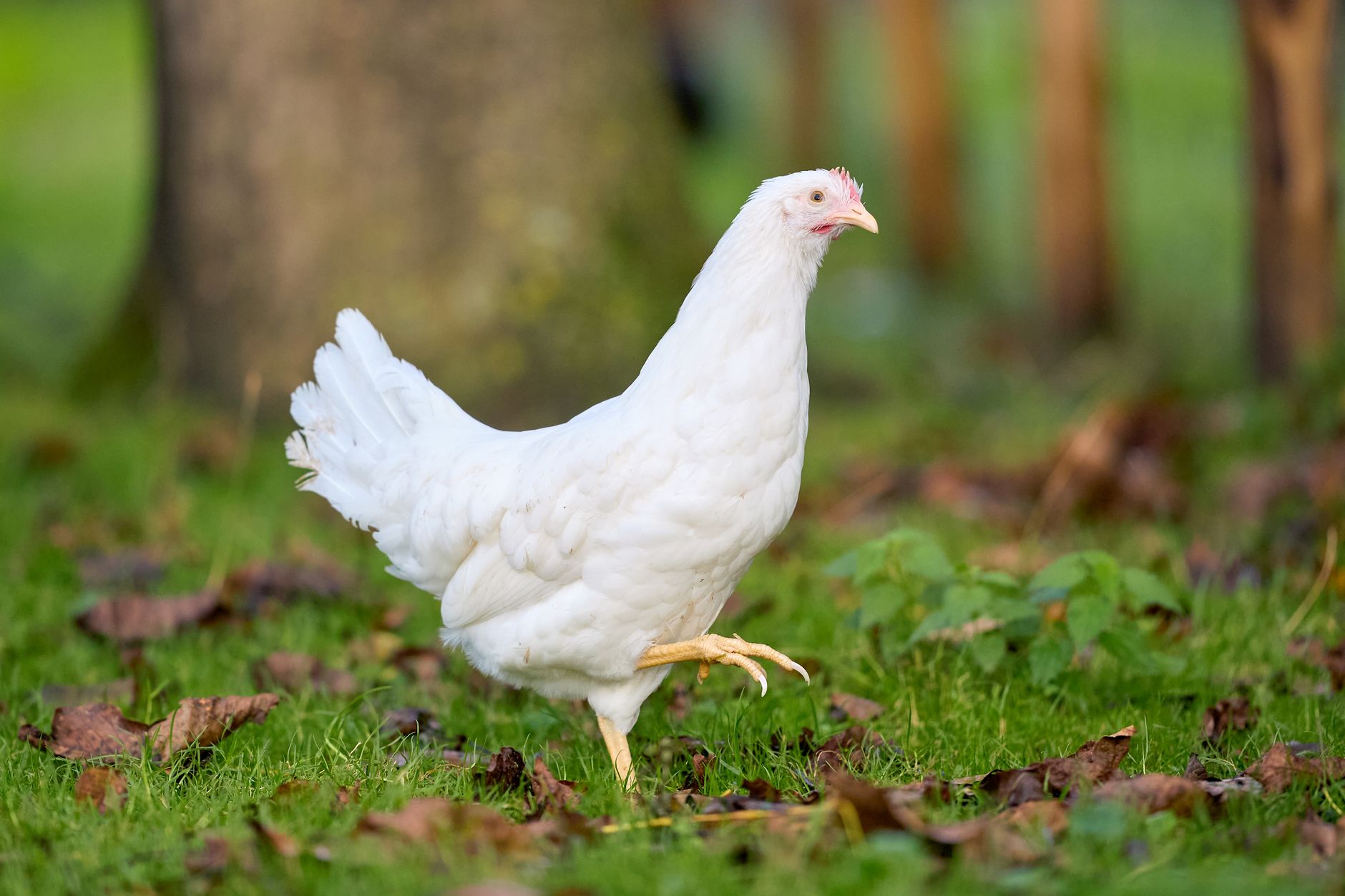
If you’ve ever owned White Leghorn chickens, you might already know exactly where I’m going with this.
My White Leghorns are bullies.
Not just a little bossy. Not simply “assertive.” They are the chickens that seem to wake up every morning and choose chaos.
They chase other hens away from treats. They make sure everyone knows where they stand in the pecking order. They bully roosters. They can be pushy at the feeder, dramatic about personal space, and remarkably confident for relatively lightweight chickens.
And while every chicken has her own personality, after spending time with White Leghorns, I’ve realized that some of what looks like bullying is closely connected to the traits that make this breed so successful.
So, if you’ve been wondering why White Leghorn chickens can be aggressive or bully other chickens, you’re definitely asking a reasonable question.
Let’s talk about this incredibly productive—and sometimes incredibly bossy—chicken breed.
What Is a White Leghorn Chicken?
White Leghorns are probably one of the most recognizable chicken breeds in the world. Picture the classic white chicken with a bright red comb, yellow legs, and an almost permanently alert expression. There’s a good chance you’re picturing a Leghorn.
Leghorns originated from Mediterranean-type chickens from Italy and became famous largely because of one thing:
Eggs. Lots and lots of eggs.
White Leghorns are exceptional layers and commonly produce around 280–320 large white eggs per year, although actual production varies based on genetics, age, nutrition, daylight, stress, and living conditions.
They tend to mature relatively early and have been heavily favored in commercial egg production because they’re efficient birds. They don’t need to carry a huge body around to produce an impressive number of eggs. A typical Leghorn hen is relatively lightweight, active, alert, and efficient.
But those same characteristics help explain why living with them can sometimes feel like supervising a tiny gang of feathered troublemakers.
Why Are White Leghorn Chickens So Bossy?
First, I don’t want to give every White Leghorn a bad reputation. Plenty of people have friendly, relatively peaceful Leghorns. Breed influences behavior, but it doesn’t determine an individual chicken’s entire personality. That said, Leghorns are generally known for being active, alert, independent, quick, and sometimes flighty.
That confidence and high activity level can translate into behavior that looks downright rude in a mixed flock.
Leghorns Tend to Be Highly Active Chickens
One of the biggest differences I’ve noticed is just how much energy these chickens have. White Leghorns were developed as productive, efficient birds. They are excellent foragers and naturally spend a lot of time moving, scratching, exploring, and looking for food. A chicken with that much energy needs somewhere to put it.
If Leghorns have plenty of room to forage and explore, much of that energy can be directed toward normal chicken behavior. Put that same energetic chicken in a smaller area with slower, quieter birds?
Well…
Suddenly Susan’s tail feathers become today’s entertainment.
This is one reason adequate space and enrichment can be especially important when keeping active breeds.
They’re Alert—and FAST
Have you ever tried catching a Leghorn that absolutely does not want to be caught?
Good luck.
Leghorns tend to be extremely alert and quick. Their Mediterranean heritage contributed to a bird that is good at noticing changes in its environment and responding quickly. Those traits can be beneficial.
They can make excellent foragers. They’re attentive to what’s happening around them, and their lighter bodies can make them surprisingly agile. But in a flock, that speed also gives them an advantage.
Throw a handful of treats into the run and some chickens seem to think:
“Oh! A snack!”
The Leghorn has already eaten three pieces and stolen a fourth.
The Chicken Pecking Order Is Very Real
Here’s another important part of the story. Chickens naturally establish a social hierarchy. We call it the pecking order because, well…there can be quite a bit of actual pecking involved.
Every flock establishes relationships determining which chickens have priority access to resources and which birds yield to others.
You’ll see it around:
- Feeders
- Waterers
- Treats
- Roosting spots
- Nest boxes
- Dust-bathing areas
- Favorite shady spots
Some chickens are perfectly content being lower in the hierarchy. Others apparently wake up wanting to become CEO. My Leghorns seem much more interested in management. Their naturally assertive, energetic personalities can make them particularly noticeable when the flock is establishing or maintaining its hierarchy.
Are White Leghorns Aggressive?
This is where I’d make an important distinction. Being assertive isn’t necessarily the same thing as being dangerously aggressive. A Leghorn chasing another chicken away from a treat or giving her a quick peck may simply be normal pecking-order behavior.
That’s very different from relentless bullying.
Normal flock behavior might include an occasional peck, short chase, warning squawk, or one chicken making another move away from a feeder.
True bullying becomes concerning when one bird is repeatedly targeted and cannot escape.
Watch for:
- Constant chasing
- Feather pulling
- Preventing another chicken from eating or drinking
- Cornering a submissive bird
- Bloody wounds
- Significant feather loss
- A chicken hiding most of the day
- A bird losing weight
- A chicken refusing to enter the coop
- Multiple chickens repeatedly attacking the same bird
Once blood appears, intervention becomes especially important because chickens can continue pecking an injured area.
Mixed Flocks Can Make Personality Differences Really Obvious
This is something I think gets overlooked when people talk about “aggressive chicken breeds.” Sometimes a chicken isn’t extraordinarily aggressive. She’s simply much more assertive than everybody around her.
Put an energetic Leghorn with other equally active, confident chickens and her behavior might not seem remarkable. Put that same Leghorn with extremely docile chickens, and suddenly she looks like the neighborhood menace. This is why breed temperament matters when building a mixed flock. Silkies, Polish chickens, Cochins, and other particularly docile or visually impaired birds can sometimes have a harder time with highly assertive flockmates.
That doesn’t mean these breeds can never live together. It just means we need to watch flock dynamics rather than assuming everyone will work it out.
White Leghorns Aren’t Bad Chickens—They’re Just Very Much Leghorns
If there’s one thing I’ve learned from raising chickens, it’s that breed characteristics matter, but individual personalities matter just as much.
My experience with White Leghorns has definitely been that they’re among the more assertive members of the flock. But the very traits that sometimes make them challenging are also part of what makes them such successful chickens.
They’re alert because they’re attentive to their environment. They’re fast because they’re lightweight and active. They’re competitive because they’re energetic foragers. They’re independent because that’s simply part of the Leghorn personality.
So when one of mine charges across the run because another chicken had the audacity to discover a particularly delicious piece of food first, I try to remember:
She’s not necessarily being evil. She’s being a Leghorn.
Although…
Sometimes I’m still pretty sure she’s being a jerk.
And if you have White Leghorns of your own, you probably know exactly what I mean.




Leave a Reply