

I know. It’s August – actually, it’s almost September!
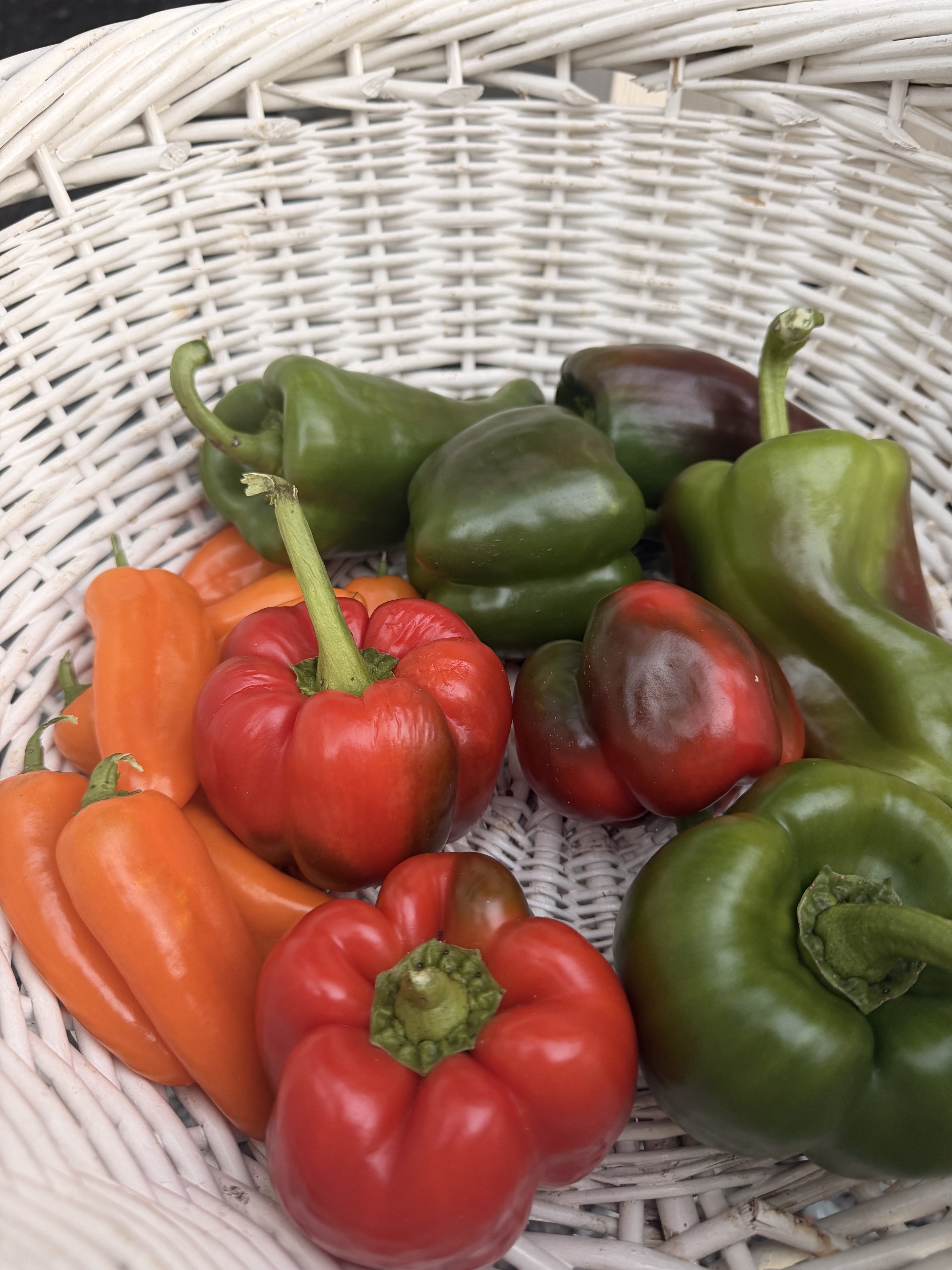
The tomatoes are still coming in, peppers are producing, the garden is absolutely overgrown in at least one place, and if you’re anything like us, you’re trying to keep up with harvesting, preserving, animal chores, and everything else that happens on a homestead this time of year.
So naturally, this is when I’m going to tell you to start thinking about winter gardening.
It may seem early, but August is actually one of the best times to start thinking about how you’re going to extend your growing season. And here’s the best part: you don’t necessarily need a fancy greenhouse to do it.
A greenhouse is wonderful—and we love having one—but season extension can be as elaborate or as simple as you want it to be.
You can use a greenhouse.
You can build a cold frame.
You can cover a raised bed.
You can use hoops and frost cloth.
You can repurpose old windows.
You can even protect a few containers in a sunny spot.
The goal isn’t necessarily to grow tomatoes in January. The goal is to figure out how you can squeeze a little more food out of your garden after everyone else has called it quits for the year.
And August is when that planning needs to begin.
Why Think About Winter Gardening in August?
One of the biggest mistakes we made when we first started thinking about season extension was assuming we could wait until it got cold.
By then, you’re already behind. Plants grow differently as the days get shorter.
Even if you can keep a plant warm enough to survive, that doesn’t mean it will grow at the same rate it did in May or June. Less daylight and cooler temperatures dramatically slow growth. That’s why many fall and winter crops need to be started while there’s still plenty of warmth and sunlight available.
Think of it this way:
You’re not necessarily trying to grow everything throughout the winter.
Instead, you’re using August and early fall to grow plants to a useful size and then using protection to keep them alive and harvestable much longer. That small distinction can completely change how you approach your fall garden.
What Does “Extending the Growing Season” Actually Mean?
Season extension simply means creating conditions that allow you to grow or harvest plants beyond your area’s normal outdoor growing season.
That might mean gaining:
- A few extra weeks in the fall
- Several additional months of harvesting
- Fresh greens throughout much of the winter
- An earlier start in spring
- Or, depending on your setup and climate, nearly year-round production
You don’t have to jump straight into four-season gardening. Even extending your garden by three or four weeks can mean a surprising amount of additional food.
Option #1: Use a Greenhouse
Let’s start with the obvious one. If you have a greenhouse, August is the time to start getting it ready.
Our greenhouse is one of my favorite tools on the homestead because it gives us flexibility. We can use it for seedlings in the spring and then transition it into growing cool-weather crops as summer winds down.
But there’s something important to understand:
A greenhouse doesn’t automatically mean a heated greenhouse.
An unheated greenhouse can still provide significant protection.
During sunny days, the greenhouse traps solar heat. At night, temperatures will fall, but plants are protected from wind and frost and generally experience a much gentler environment than plants sitting completely exposed in the garden.
For many cold-tolerant vegetables, that’s exactly what they need. You can also add another layer of protection inside the greenhouse. For example, hoops covered with frost cloth over a greenhouse bed essentially create a protected environment within another protected environment.
It’s like putting a little greenhouse inside your greenhouse. That extra layer can make a substantial difference on especially cold nights.
Option #2: Build a Simple Cold Frame
No greenhouse? A cold frame may be one of the best inexpensive alternatives. A cold frame is basically a miniature greenhouse.
It consists of a box or raised structure with a clear top that allows sunlight in while trapping heat around your plants.
And you don’t have to buy one. You can make a cold frame using things you may already have around the homestead:
- Old windows
- Scrap lumber
- Clear polycarbonate panels
- Plexiglass
- Reclaimed doors with glass
- Clear plastic over a sturdy frame
Place the cold frame somewhere that receives plenty of winter sunlight, preferably facing south. Suddenly, you’ve created a little protected growing environment without investing in a full greenhouse.
One word of caution: cold frames can get surprisingly hot on sunny days.
Even when the outside temperature feels chilly, temperatures inside a closed cold frame can climb quickly. Make sure you have a way to prop the lid open and provide ventilation.
Option #3: Use Low Tunnels
This might be one of the easiest ways to extend your growing season.
Install hoops over an existing garden bed and cover them with frost cloth, row cover, or greenhouse plastic.
That’s it. You have essentially created a low tunnel greenhouse.
Hoops can be made from materials such as PVC pipe, metal conduit, or purpose-made garden hoops. One of the advantages of this method is that you don’t have to completely change your garden. The plants can stay right where they’re growing.
When temperatures begin dropping, add the protective covering.
Depending on the material you use, low tunnels can help protect plants from:
- Frost
- Cold winds
- Sudden temperature drops
- Light snow
- Some pest pressure
They’re also relatively inexpensive, which makes them a great option if you’re experimenting with season extension for the first time.
Option #4: Frost Cloth and Row Covers
Sometimes you don’t even need a structure.
If the forecast is calling for your first frost but temperatures are expected to warm back up afterward, simply covering your plants overnight may buy you several additional weeks of growing time.
Frost cloth is designed specifically for this. You can drape it over plants or support it with hoops or stakes.
The important thing is to secure the edges so cold air can’t easily move underneath it. Depending on the weight of the material, frost cloth can provide several degrees of frost protection.
That may not sound like much, but there is a huge difference between a plant experiencing 30°F and remaining at 34°F.
Those few degrees can save your garden.
Option #5: Use What You Already Have
This is where homesteaders can get creative. You don’t have to order an expensive “season extension system.” Look around your property.
What do you already have?
Maybe it’s:
- An old window
- Clear plastic
- Leftover PVC
- Scrap lumber
- A clear storage tote
- An unused raised bed
- A sheltered porch
- An old storm door
- A sunny basement window
- A small shelving unit that can be wrapped in greenhouse plastic
A large clear storage tote can even work as a temporary miniature greenhouse over small plants.
You don’t have to create something worthy of Pinterest. It just needs to work.
That’s one of my favorite things about homesteading. You learn very quickly that the “right” solution isn’t always the expensive solution.
Sometimes it’s whatever you already have sitting behind the shed.
What Should You Grow?
Here’s where fall gardening gets fun.
There are plenty of vegetables that actually prefer cooler weather.
Some even taste better after experiencing cold temperatures.
Great crops for fall and winter season extension include:
Kale
Kale is incredibly cold tolerant and is one of the first crops I’d recommend for someone experimenting with winter gardening.
Collard Greens
Another tough leafy green that can handle cooler temperatures beautifully.
Spinach
Spinach loves cool weather and can perform extremely well under protection.
Arugula
Arugula grows quickly, making it especially useful when you’re getting a later start.
Lettuce
Choose cold-tolerant varieties and provide protection when temperatures drop.
Bok Choy
Baby bok choy is especially useful because it grows relatively quickly and doesn’t require much space.
Radishes
Radishes mature quickly, making them perfect for squeezing in additional harvests before winter.
Carrots
Carrots can tolerate cold temperatures surprisingly well. With protection and mulch, they can often remain in the ground and be harvested as needed.
Beets
Both the roots and greens are edible, making beets an especially productive cool-season crop.
Swiss Chard
Chard can tolerate chilly conditions and may continue producing well into fall with protection.
Green Onions
Green onions take up very little space and are another great crop for protected beds.
Think in Layers of Protection
One of the best ways to approach winter gardening is to stop thinking about one solution and start thinking about layers.
For example:
Outside temperature → greenhouse → raised bed → hoops → frost cloth → plants
Each layer creates a slightly more protected environment.
You can use the same strategy without a greenhouse:
Outside temperature → low tunnel → frost cloth → plants
Or:
Outside temperature → cold frame → plants
The colder your climate becomes, the more valuable those layers can be.
Don’t Forget About the Ground
One of the advantages of growing directly in the ground or in larger raised beds is that the soil itself stores heat.
You can help conserve that heat by adding mulch around established plants.
Materials such as:
- Straw
- Shredded leaves
- Pine needles
- Clean garden mulch
can help insulate the soil and protect plant roots.
Just make sure you aren’t piling wet mulch directly against plant stems where it could encourage rot.
Watering Changes as Temperatures Drop
Your winter garden won’t need the same watering schedule as your July garden. Plants use less water when temperatures are cooler, and soil stays moist longer. Overwatering can actually become a bigger problem than underwatering.
Check the soil rather than automatically watering according to a schedule.
If you’re using a greenhouse or cold frame, also pay attention to humidity. Ventilation is important even when it’s cold outside.
Your Greenhouse Doesn’t Have to Be Tropical
I think this is one of the biggest misconceptions about greenhouse gardening.
People imagine stepping into a greenhouse in January and finding it 75 degrees inside with tomatoes climbing toward the ceiling.
Can you create that environment?
Sure.
But maintaining it can require supplemental heat, electricity, insulation, lighting, and a considerable amount of money.
For many homesteaders, that’s unnecessary.
Instead, think of your greenhouse as a season extender rather than a tropical bubble.
If it allows you to harvest spinach, kale, lettuce, carrots, and other vegetables weeks—or months—longer than you could outside, it’s doing its job.
August Season-Extension Checklist
Here’s what I’d start doing now:
- Decide which fall and winter vegetables you want to grow.
- Check your average first frost date.
- Count backward from that date using each crop’s days to maturity.
- Start slower-growing fall crops.
- Direct sow fast-growing crops as space becomes available.
- Clean and prepare your greenhouse if you have one.
- Inspect greenhouse panels, doors, vents, and seals.
- Decide which outdoor beds you’ll continue using into fall.
- Gather hoops, frost cloth, row cover, or plastic.
- Build a cold frame if you don’t have a greenhouse.
- Save leaves or straw for insulating beds later.
- Start paying attention to nighttime temperatures as fall approaches.
Most importantly, don’t wait for the first frost warning to start thinking about frost protection.
Start Small This Year
If you’ve never tried extending your growing season, don’t feel like you need to transform your entire garden.
Pick one bed.
Seriously.
Take one raised bed and plant it with spinach, kale, lettuce, radishes, carrots, or another cold-tolerant vegetable.
Put hoops over it.
Buy some frost cloth.
See what happens.
You’ll learn more from managing that one little bed through your first fall and winter than you will from trying to create an elaborate winter garden all at once.
Then next year, expand it.
That’s how so many things on a homestead grow—one experiment at a time.
The Garden Doesn’t Have to End With the First Frost
For years, gardening was presented as something with a very definite beginning and end.
Plant in spring.
Harvest in summer.
Clean everything up in fall.
Wait until next year.
But it doesn’t necessarily have to work that way.
With a greenhouse, cold frame, low tunnel, frost cloth, or just a little ingenuity, you may be able to keep harvesting long after your traditional summer garden has finished.
And that’s why we’re talking about winter gardening while it’s still August.
Because by the time that first freezing night appears in the forecast, you don’t want to be running around the homestead at 9 p.m. trying to figure out how to cover everything with old bedsheets.
Although, let’s be honest.
We’ve probably all done that too.
This year, we’re planning ahead.
We’re going to use the greenhouse, use what we already have, experiment with cold-tolerant crops, and see just how far we can stretch our growing season.
Because if we can pull fresh spinach, kale, carrots, or greens from the garden when everyone else has already put their garden to bed?
I’d call that a win.







Leave a Reply