
Because growing your homestead isn’t always about doing more. Sometimes, it’s about making the most of what you already have.
There is something incredibly exciting about expanding your homestead. Maybe you’ve been dreaming about adding more chickens, starting your first beehive, building a greenhouse, or doubling the size of your vegetable garden. Perhaps you’re even thinking about turning your homesteading passion into a small business.
I get it. Believe me, I do!
Here at J & J Homestead, we’re constantly thinking about what comes next. There’s always another project, another animal we’d love to raise, or another opportunity to try something new. Just when we think we’ve settled into a comfortable routine, we come up with another idea!
And while that excitement is one of the things I absolutely love about homesteading, we’ve learned something important along the way.
Just because you can expand your homestead doesn’t necessarily mean you should. At least, not right now.
Every expansion comes with additional responsibilities, expenses, and demands on your time. And sometimes, those little additions turn into much bigger commitments than you originally anticipated.
Before you build another chicken coop, order more seeds, or bring home another adorable animal, here are five questions worth asking yourself.
1. Do I Have the Time to Take Care of More?
This is probably the most important question of all, and one that is incredibly easy to underestimate.
When you’re excited about adding something new to your homestead, it’s easy to focus on the fun parts. More chickens mean more eggs! A bigger garden means more vegetables! Another beehive means more honey!
But what about the additional work?
Every animal starts as a baby and that requires so much time and effort. Each animal (baby or adult) needs to be fed, watered, monitored, and cared for. Every new garden bed needs planting, watering, weeding, and harvesting. And every new project adds something else to your already busy schedule.
Here on our homestead, we’re balancing full-time jobs, caring for our animals, maintaining our gardens, managing beehives, running our little farmstand, and enjoying the hobbies that we love. Some days, it feels like there simply aren’t enough hours to accomplish everything we’d like to do.
And that’s an important reality to acknowledge.
Before expanding, ask yourself:
- Can I comfortably manage the additional daily chores?
- What happens when I’m sick, exhausted, or away from home?
- Will this expansion take time away from something else that matters to me?
- Am I prepared for the extra responsibilities during the winter or summer months?
A good rule of thumb? Don’t just consider how much work something requires on a beautiful spring morning. Think about how much work it will require on a freezing January morning when the waterers are frozen and you have to leave for work!
That’s when the reality of homesteading really kicks in.
2. Can I Afford the Expansion AND the Ongoing Expenses?
Oh, this is a big one!
It’s so easy to get caught up in the initial excitement of a new project without fully considering the long-term costs.
Let’s use chickens as an example.
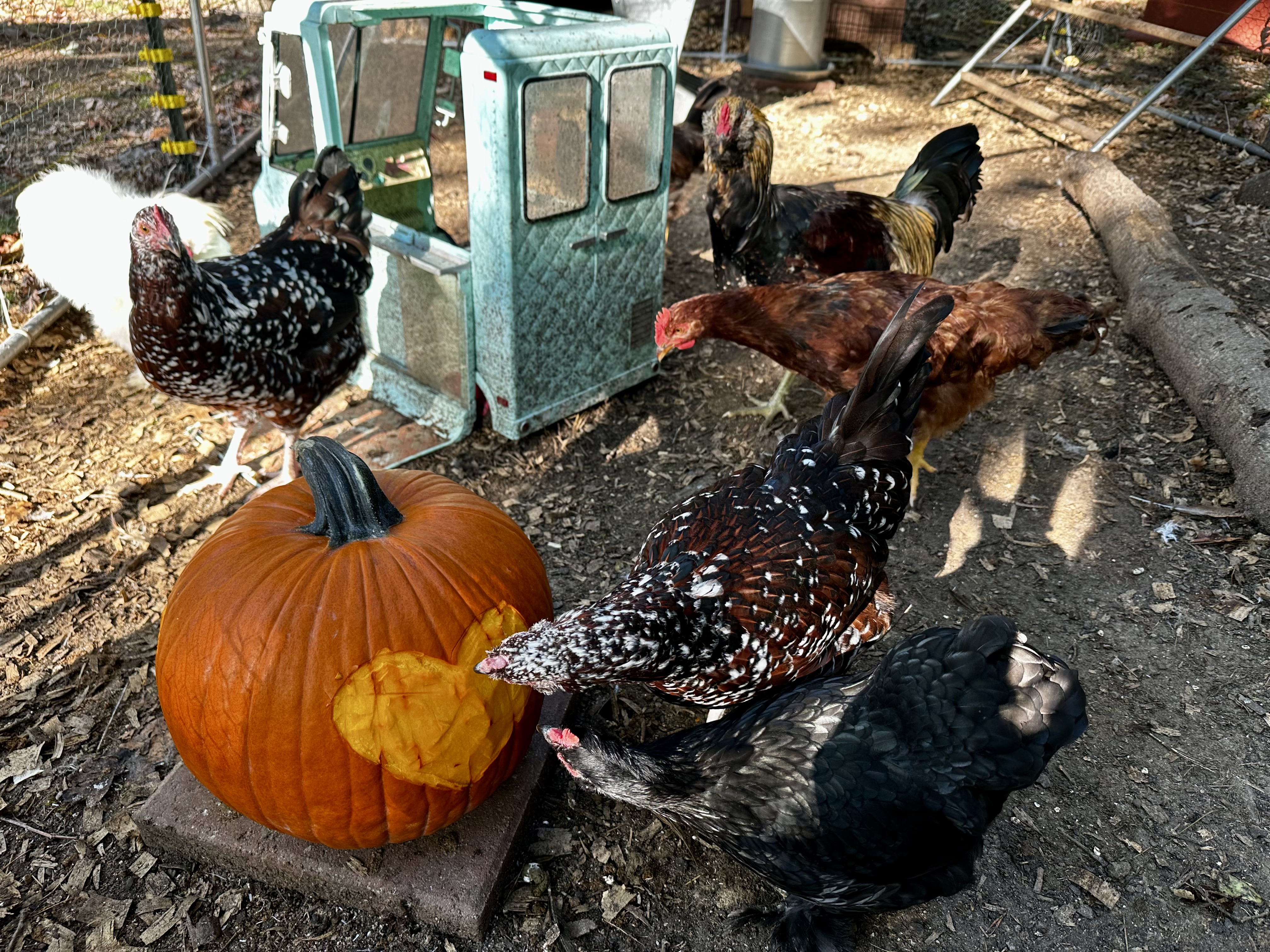
Those adorable little chicks might only cost a few dollars each. But those chicks are just the beginning!
You’ll need appropriate housing, predator protection, feeders, waterers, bedding, and feed. And eventually, you may find yourself purchasing medications, supplements, replacement equipment, and all sorts of things you never anticipated needing.
And don’t even get me started on the cost of building a secure chicken run!
We’ve learned firsthand that raising animals involves considerably more than their initial purchase price.
The same goes for gardening. Expanding your garden might mean purchasing additional soil amendments, irrigation equipment, fencing, seeds, tools, and preservation supplies.
Before you expand, consider both your startup costs and your recurring expenses.
Ask yourself whether the expansion will eventually pay for itself, whether you’re comfortable funding it as a hobby, and whether you have enough money set aside for unexpected problems.
Here’s something we’ve learned: The cheapest part of bringing an animal home is often the animal itself!
And while the rewards of homesteading aren’t always measured in dollars, understanding the financial commitment will help you make much better decisions.
3. Do I Have the Infrastructure to Support Growth?
This is something we’ve learned through experience.
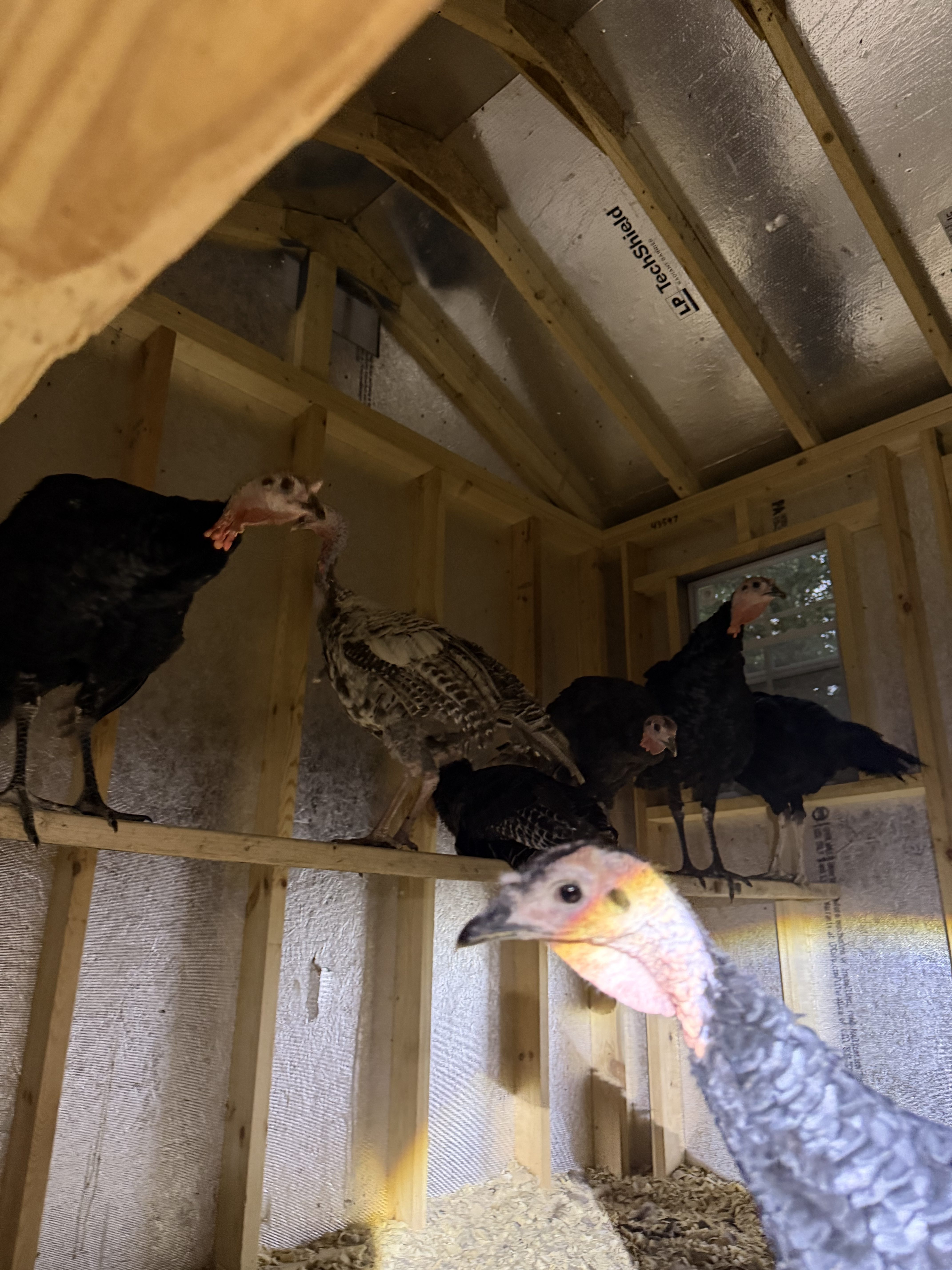
It’s one thing to decide you want more chickens or turkeys. It’s another thing entirely to make sure they have enough room, adequate shelter, and a safe environment.
When we expanded our poultry operation, it wasn’t simply a matter of bringing home additional birds. We had to think about the size of our runs, predator protection, feeding stations, and how the different flocks would interact.
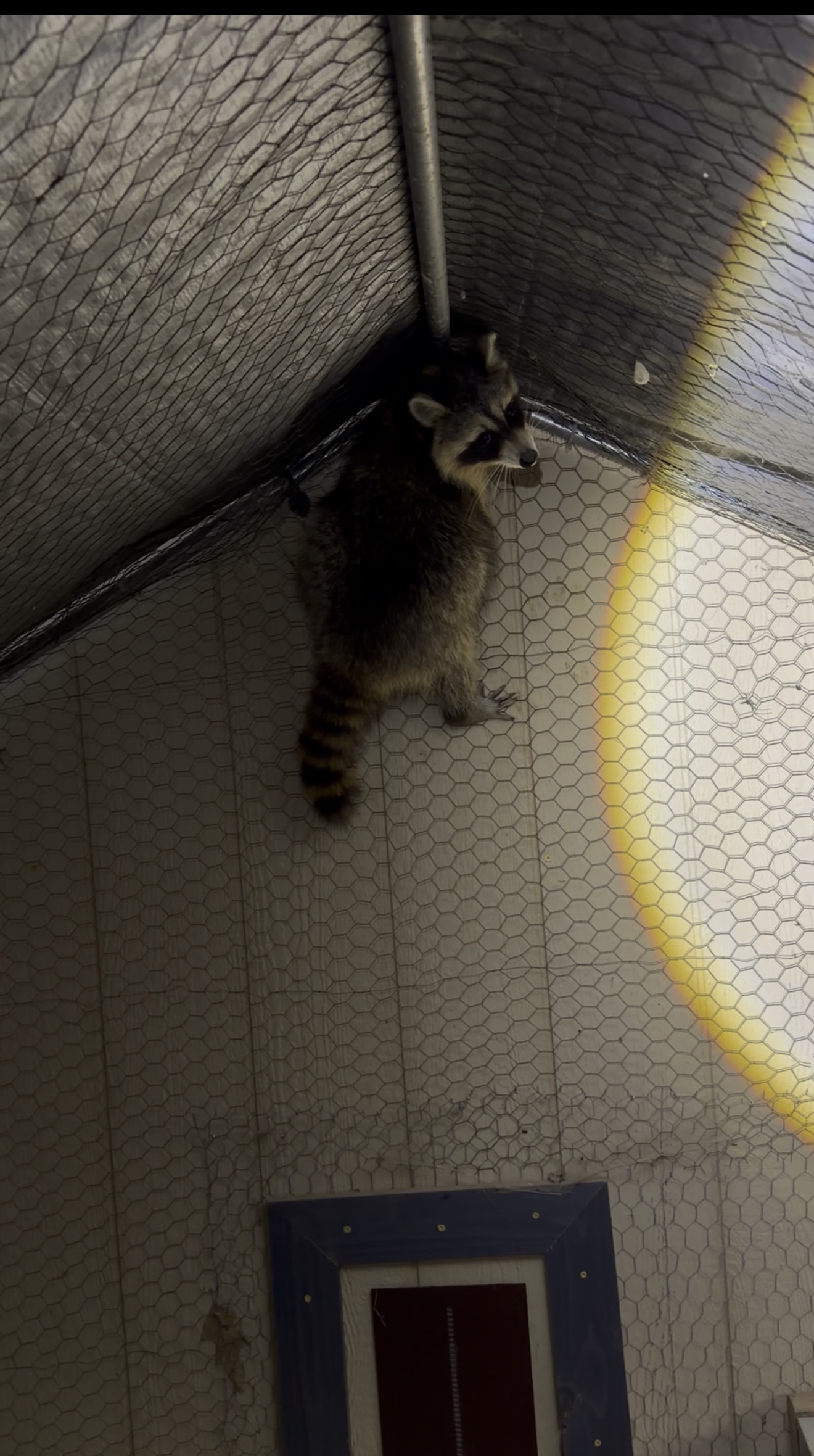
And as we’ve learned, predators are always looking for an opportunity!
The same principle applies to almost every area of homesteading.
Want a bigger garden? Do you have enough water available to keep everything healthy during a summer heat wave?
Thinking about expanding your beekeeping operation? Do you have the equipment, storage space, and time to manage additional hives?
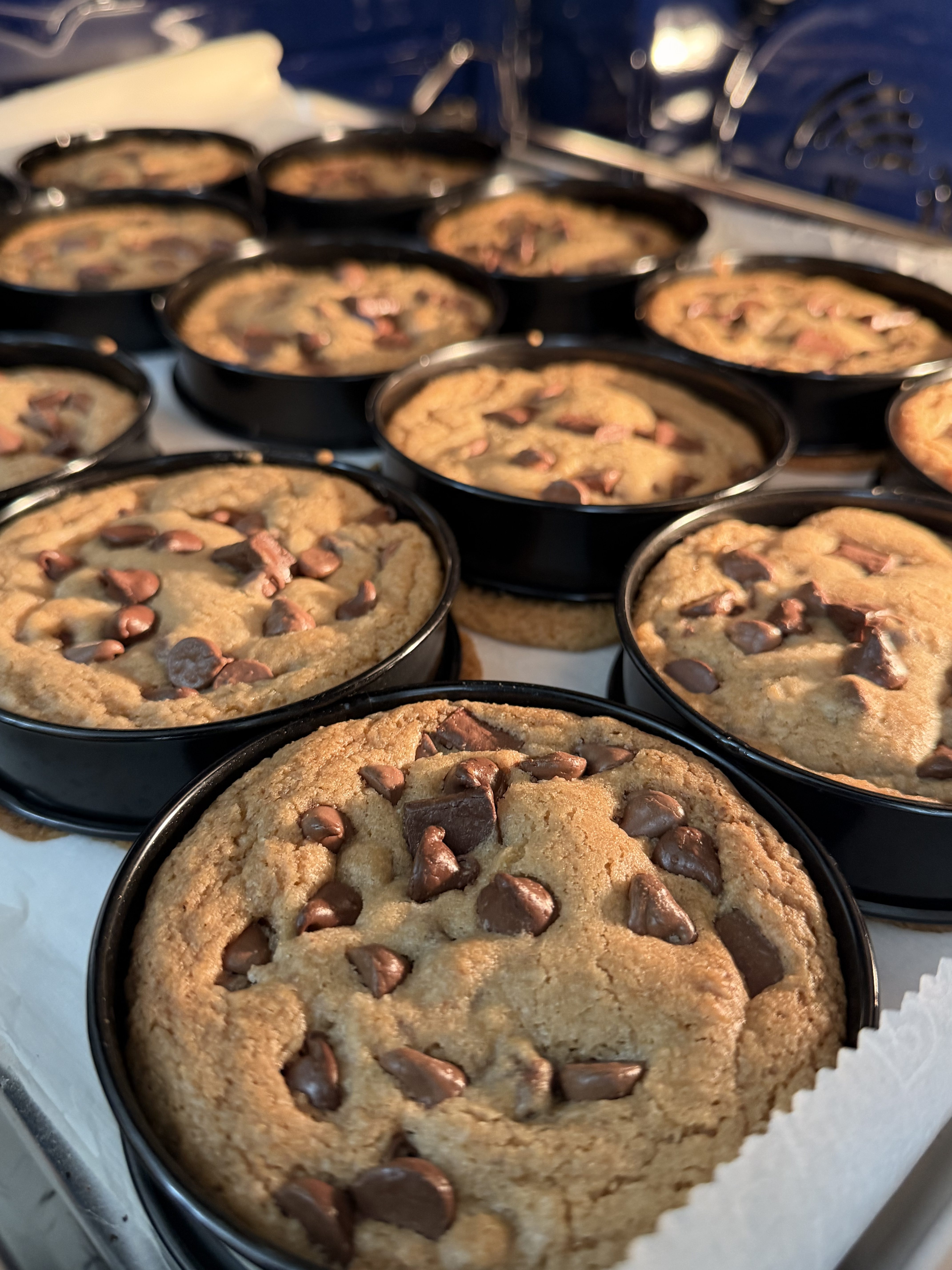
Want to sell more products at a farmstand? Do you have the kitchen capacity, storage, packaging supplies, and time to keep up with demand?
Sometimes, the best investment you can make isn’t adding something new. It’s improving the systems you already have.
Perhaps your next homesteading project should be installing better irrigation, reinforcing your chicken runs, organizing your feed storage, or improving your greenhouse ventilation.
Those improvements might not be quite as exciting as bringing home a new animal, but they can make an enormous difference in how smoothly your homestead operates.
Build the infrastructure first. Then grow into it.
Your future self will thank you!
4. Am I Expanding Because It Makes Sense, or Because I’m Excited About the Idea?
Now, this is where we need to have a little heart-to-heart!
If you’re anything like me, you’re constantly finding inspiration.
Maybe you see someone on social media raising beautiful heritage turkeys, and suddenly you’re researching turkey breeds.
Or you visit a gorgeous flower farm and start imagining rows of dahlias growing in your own garden.
Before you know it, you’ve mentally redesigned your entire homestead!
Sound familiar?
There’s absolutely nothing wrong with being inspired. In fact, that curiosity and willingness to learn are some of the greatest things about homesteading.
But there’s an important difference between having an exciting idea and having a practical plan.
One of the lessons we’re learning through operating our farmstand is that what we enjoy producing isn’t always what our customers want to purchase.
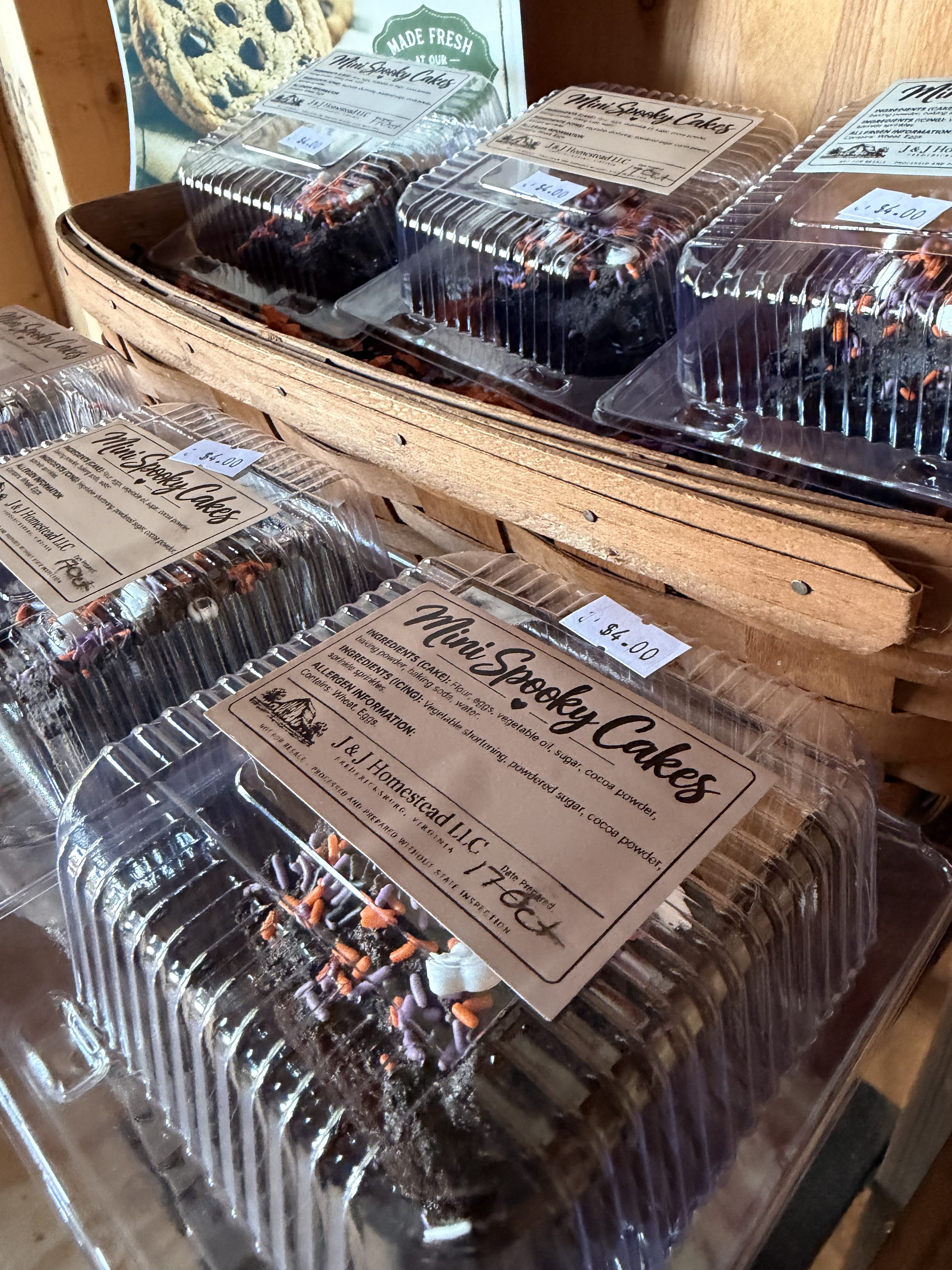
We’ve experimented with all sorts of creative baked goods and interesting flavors. Some have been wonderfully successful, while others haven’t sold nearly as well as we’d hoped.
And that’s okay! It’s all part of learning.
But it has taught us to be more thoughtful about where we invest our time, energy, and money.
Before expanding, ask yourself what you’re hoping to accomplish.
Is your goal to produce more food for your family? Increase your homestead income? Become more self-sufficient? Learn a new skill? Or simply enjoy a new hobby?
All of those are perfectly good reasons.
The important thing is to understand why you’re expanding.
And if you’re not entirely sure, give yourself permission to wait.
Sometimes the best ideas are the ones that still make sense after you’ve had a few weeks to think about them.
5. Will This Expansion Make My Homestead Better, or Just Bigger?
I saved my favorite question for last because I think it captures something important about the homesteading journey.
Bigger doesn’t always mean better.
A larger garden isn’t necessarily more productive if you can’t keep up with the weeds, watering, or harvest.
More chickens don’t automatically mean more eggs if overcrowding creates stress or if you’re struggling to maintain the flock.
And expanding a farmstand doesn’t guarantee increased profits if you’re spending more on supplies and producing more than you can sell.
Sometimes, growth looks a little different than we originally imagined.
Maybe it’s learning to grow more vegetables in the space you already have.
Maybe it’s improving your chicken coop so it’s easier to clean and maintain.
Maybe it’s finding ways to reduce waste, improve your soil, or become more efficient with your daily chores.
For us, this is something we’re thinking about as we look toward the next growing season.
We have so many exciting ideas for J & J Homestead, including expanding our garden and experimenting with new flowers and products for the farmstand.
But we’re also learning to evaluate those ideas through the lens of everything we’ve experienced this year.
What’s working?
What hasn’t worked quite as well?
Where are we spending too much time?
And which improvements would genuinely make our homestead more enjoyable and sustainable?
Because ultimately, we didn’t start homesteading just to create an endless list of chores.
We started because we love this lifestyle, the opportunities to learn, and the satisfaction of creating something meaningful with our own hands.
And I never want to lose sight of that.
Sometimes the Best Way to Grow Is to Slow Down
Here’s something I wish someone had told me when we first started homesteading.
You don’t have to do everything at once.
You don’t need chickens, ducks, turkeys, goats, bees, a greenhouse, an enormous vegetable garden, and a roadside farmstand to call yourself a homesteader.
You don’t even need to own acres of land!
Homesteading isn’t a competition to see who can produce the most food, raise the most animals, or complete the most projects.
It’s about learning new skills, becoming more resourceful, and creating a lifestyle that works for you.
And that lifestyle is going to look different for everyone.
Some seasons of homesteading are meant for growing. Others are meant for improving, learning, and enjoying what you’ve already built.
Both are valuable.
Here at J & J Homestead, we’ve certainly made our share of mistakes along the way. We’ve taken on projects that were more complicated than expected, learned lessons the hard way, and occasionally wondered what on earth we were thinking!
But we’ve also experienced the incredible satisfaction of watching our little homestead grow into something we could never have imagined when we first started.
And that’s what makes this journey so special.
Final Thoughts: Grow With Purpose, Not Just Enthusiasm
As you start dreaming about your next homesteading project, I encourage you to ask yourself these five questions.
Not because you should stop dreaming big, but because thoughtful planning will help those dreams become successful realities.
There’s nothing wrong with wanting more chickens, a larger garden, or a new adventure. Goodness knows we’ll continue dreaming up new projects here!
Just make sure that every addition contributes something meaningful to the life you’re trying to create.
The goal isn’t to build the biggest homestead. It’s to build a homestead that makes you happy, supports your goals, and gives you a life you genuinely enjoy.
And sometimes, that means knowing when to grow and when to simply appreciate how far you’ve already come.

Leave a Reply