
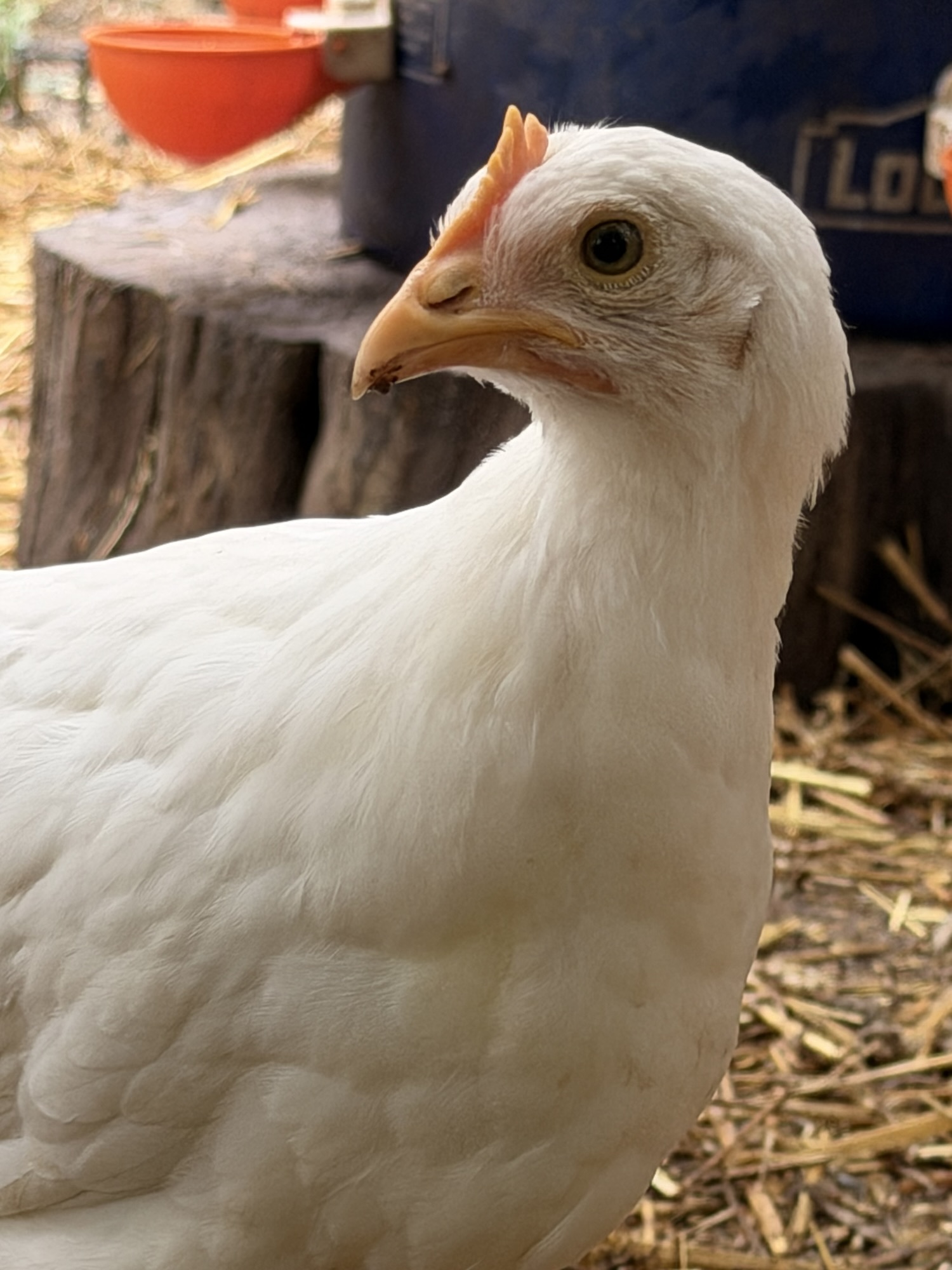
Homesteading often comes with hard lessons—usually learned the hard way. In the summer of 2024, I experienced one of those lessons firsthand. At our local Tractor Supply, I spotted eight Sussex chickens. Loving the breed, I eagerly bought them all, keeping five and gifting the rest to a fellow homesteader.
Within a few months, my Sussex pullets were happily integrated into our flock. We maintain a roomy, clean chicken coop and run, and everything seemed perfect—until the chickens turned five months old. That’s when everything changed.
The First Signs of Marek’s Disease
One by one, the Sussex chickens began showing troubling symptoms:
- Loss of coordination
- Paralysis in wings and legs
- Rapid weight loss
- Irregular pupils
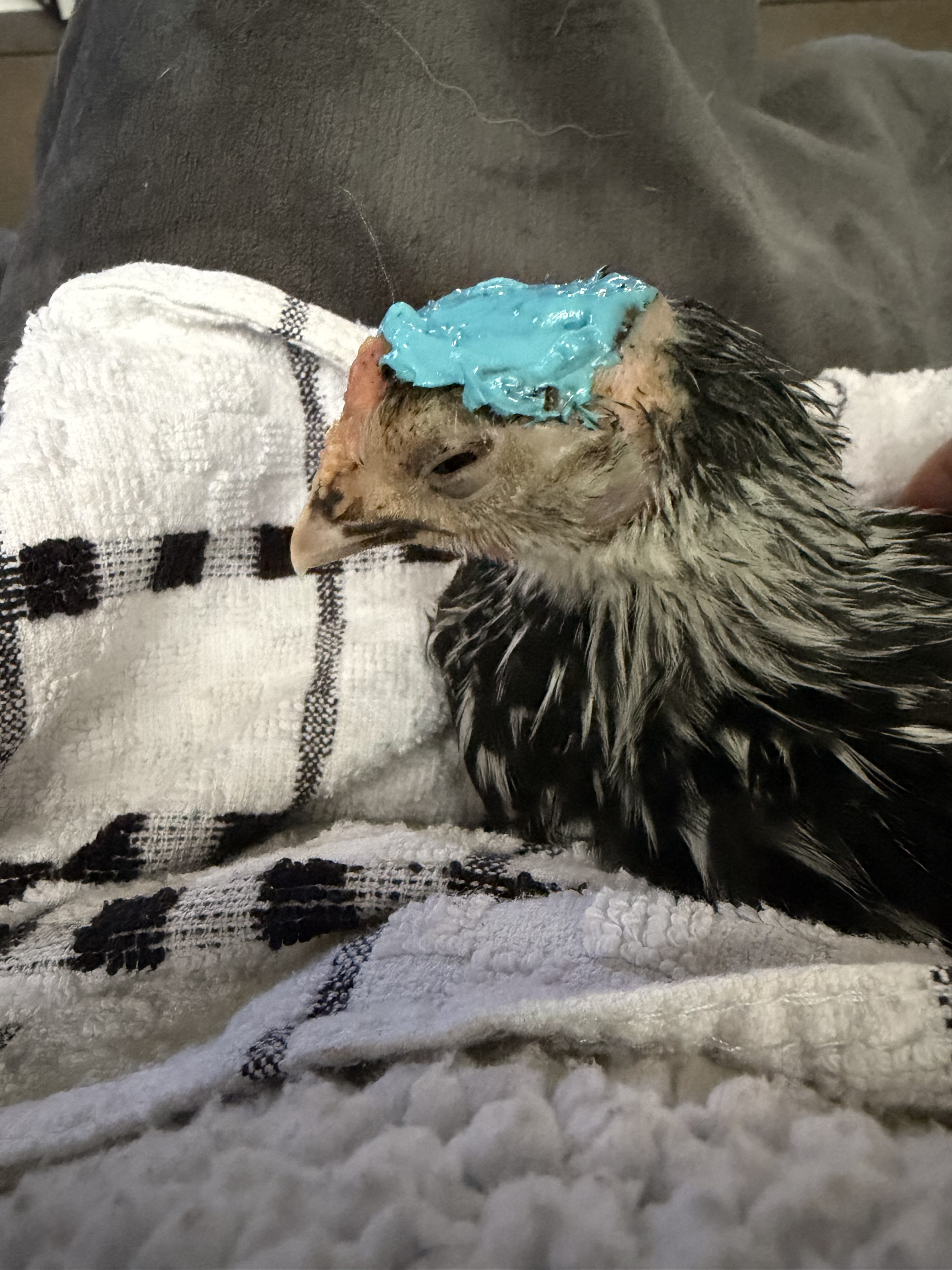
We quarantined the first sick bird immediately. I tried every recommended treatment—parasite control, electrolytes, force feeding nutrients—but the disease spread. Watching each chicken decline was heartbreaking.
Desperate for answers, I reached out to the Virginia Department of Agriculture’s Regional Animal Health Laboratory, which offers affordable necropsies. Two weeks later, the results confirmed my fear: Marek’s Disease. The necropsy showed lymphomas affecting multiple organs—kidneys, heart, pancreas, intestines, and even the brain. This disease is not recoverable. Ultimately, I lost all five Sussex chickens.
What I Learned
The biggest surprise? The hatchery that supplied those Sussex chicks did not vaccinate for Marek’s Disease. In contrast, the chicks I had purchased online had all been vaccinated—and remained healthy.
That moment changed everything for us: from now on, every chick we buy or hatch will be vaccinated.
The good news is simple: Marek’s Disease is preventable through vaccination.
Why You Should Vaccinate Chicks
- Lifelong protection: Vaccination at one day old builds resistance before the virus can attack.
- Peace of mind: Even if the virus is in your environment (and it often is), vaccinated birds are far less likely to show symptoms.
- Stronger flocks: Preventing outbreaks means healthier birds, better egg production, and longer lifespans.
How to Vaccinate Against Marek’s Disease
- Order vaccinated chicks – Many hatcheries offer Marek’s vaccination as an add-on. This is the easiest route for small flock owners.
- DIY vaccination – If you hatch at home, purchase Marek’s vaccine (sold in large-dose vials) and follow directions carefully. It must stay cold and be used quickly. We order from Valley Vet Supply—great pricing and fast shipping.
- Timing matters – Vaccinate at hatch or within 24 hours. There are plenty of step-by-step videos online. My favorite is by Chicken Schmidt Farms.
- Practice good biosecurity – Remember, vaccinated birds won’t get sick, but they can still carry and shed the virus. Keep coops clean, limit visitors, and change shoes/clothes before handling your flock.
Final Thoughts
Raising healthy chickens means making tough but proactive choices. Vaccinating your chicks against Marek’s Disease is one of the most important steps you can take. It doesn’t just protect individual birds—it safeguards your entire flock and your homestead investment.
If you’re just starting out with poultry, don’t be intimidated. Vaccination is simple, accessible, and absolutely worth it for the peace of mind and protection it brings.


Leave a Reply