
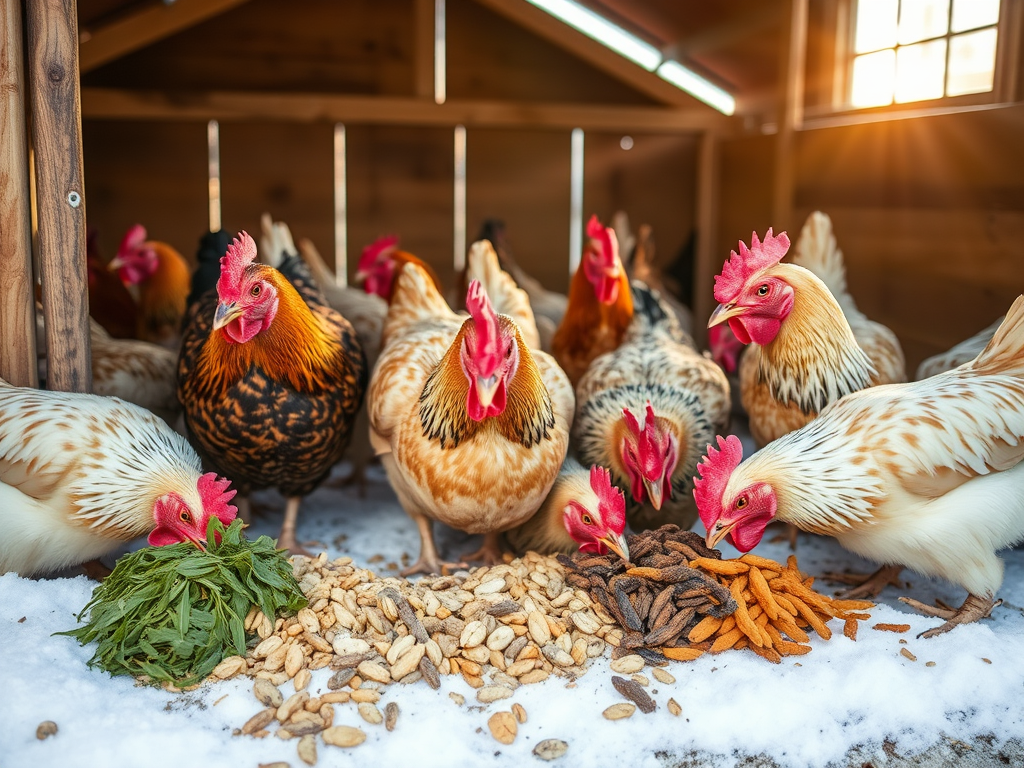
Winter Nutrition is Important
As the temperatures drop and daylight hours shrink, your backyard chickens face new challenges. Cold stress, reduced foraging opportunities, and increased energy demands all combine to put your flock at risk. The good news? With thoughtful nutrition and the right supplements, you can help your hens thrive all winter long.
In this post, we’ll explore why supplements matter, highlight top winter feed add-ons, and walk you through how to safely incorporate them into your flock’s diet. Whether you’re a seasoned flock keeper or a newbie with a handful of hens, these tips will help keep your birds healthy, productive and comfortable.
Why Winter Nutrition Needs Are Different
When winter comes:
- Chickens use more energy just to maintain body heat. According to one article, their feed intake can increase by as much as 25% in cold weather.
- Foraging drops off dramatically (fewer insects, worms and green plants). This limits natural sources of protein, minerals and vitamins.
- Molting (feather regrowth) often happens in late fall, increasing need for protein and nutrients.
- Digestion and gut health may suffer because of reduced movement, lower water intake (frozen waterers) and diets heavier in processed grains.
Because of all this, simply relying on a standard layer feed may not be enough. Supplements can fill nutrient gaps, support immune health, boost circulation and digestion, and help your flock maintain condition and productivity.
Top Winter Feed Supplements for Chickens
Below are some of the best supplements to consider for your flock in the cold months. Use them responsibly — they should complement, not replace, a high-quality base ration.
1. Dried Seaweed / Kelp
Seaweed is a powerhouse for winter flocks: it offers iodine for thyroid and metabolism support, polysaccharides for gut health and immunity, and helps with thermal regulation.
How to use: Sprinkle a small amount (e.g., a teaspoon per bird per week) of organic kelp powder into feed. Avoid over-supplementing iodine.
2. Increased Protein Sources
Winter and molt both drive up the need for protein (for feathers, muscle, immune system). One article explains that added protein helps maintain body condition and egg production.
Examples:
- Mealworms or black soldier fly larvae (dried)
- Cooked egg or egg bits
- Ground legumes or sprouted grains
3. Herbal & Spice Supplements (Garlic, Turmeric, Cayenne)
These herbs may offer antimicrobial, circulation-boosting and antioxidant benefits. For instance, garlic powder has been shown to increase growth rate and may act as a natural antibiotic for poultry.
How to use:
- Garlic powder: about ½ tsp per bird (or appropriate per bucket)
- Turmeric: supports anti-inflammatory wellness
- Cayenne pepper: helps circulation and yolk color (for layers)
4. Whole Grains / Scratch for Slow-Burn Energy
Cold weather means more calories needed. Whole grains (oats, barley, cracked corn) and scratch feed digest slowly, generating internal heat overnight.
Tip: Offer as late-day treat to help with overnight digestion and warmth.
5. Probiotics, Grit, Vitamins & Minerals
Gut health is key during confinement and cold weather. Digestive supplements, grit for feed breakdown, and vitamins/minerals (especially if foraging is limited) all help.
Important: Always ensure clean, unfrozen water is available — hydration supports digestion and immune health.
How to Safely Introduce Supplements
Here’s a practical plan to integrate supplements into your flock’s routine:
- Ensure a high-quality base feed first: a layer feed (or appropriate ration) with balanced vitamins and minerals. Supplements are extra, not a substitute.
- Introduce one supplement at a time, over 1-2 weeks, so you can monitor how your birds respond (eggs, weight, behavior).
- Use correct doses: Many sources suggest small amounts — e.g., ½ tsp powder per hen (or per 5-gallon bucket for multiple birds) as one homesteader noted.
- Feed at optimal times: Offer whole grains or scratch in late afternoon so digestion helps with heat generation overnight.
- Check water and environment: Make sure waterers are thawed, coop has proper ventilation (without drafts), and bedding is dry. A good environment magnifies supplement benefits.
- Avoid over-supplementing: Treats/supplements should generally remain under ~10% of total diet, so the birds still get main nutrition from their feed.
- Monitor and adjust: Watch for signs of improved lay rate, better yolk color, healthy feathering, good body condition. If something seems off (egg size drops, combs pale, feathers ragged) reassess diet and environment.
Checklist: Winter Supplement Planner
| Supplement | Benefit | How to Use |
|---|---|---|
| Dried Kelp/Seaweed | Iodine, metabolism, immunity | Sprinkle small amount weekly |
| Extra Protein (mealworms etc.) | Feather growth, immune support | Offer as treat or mix with feed |
| Herbs/Spices (garlic/turmeric) | Circulation, antimicrobial effects | Mix small amounts into feed |
| Whole Grains/Scratch | Slow-burn energy for warmth | Late-day treat feed |
| Probiotics, Grit, Vitamins | Gut health, digestion, mineral support | Provide free-choice or mix in feed |
Final Thoughts
Winter isn’t just a challenge for your flock—it’s an opportunity to support them in staying strong, healthy and productive through the harder months. By combining a solid everyday ration, targeted supplements, and a well-managed coop environment, you’ll equip your chickens to handle the cold and keep on laying.




Leave a Reply