

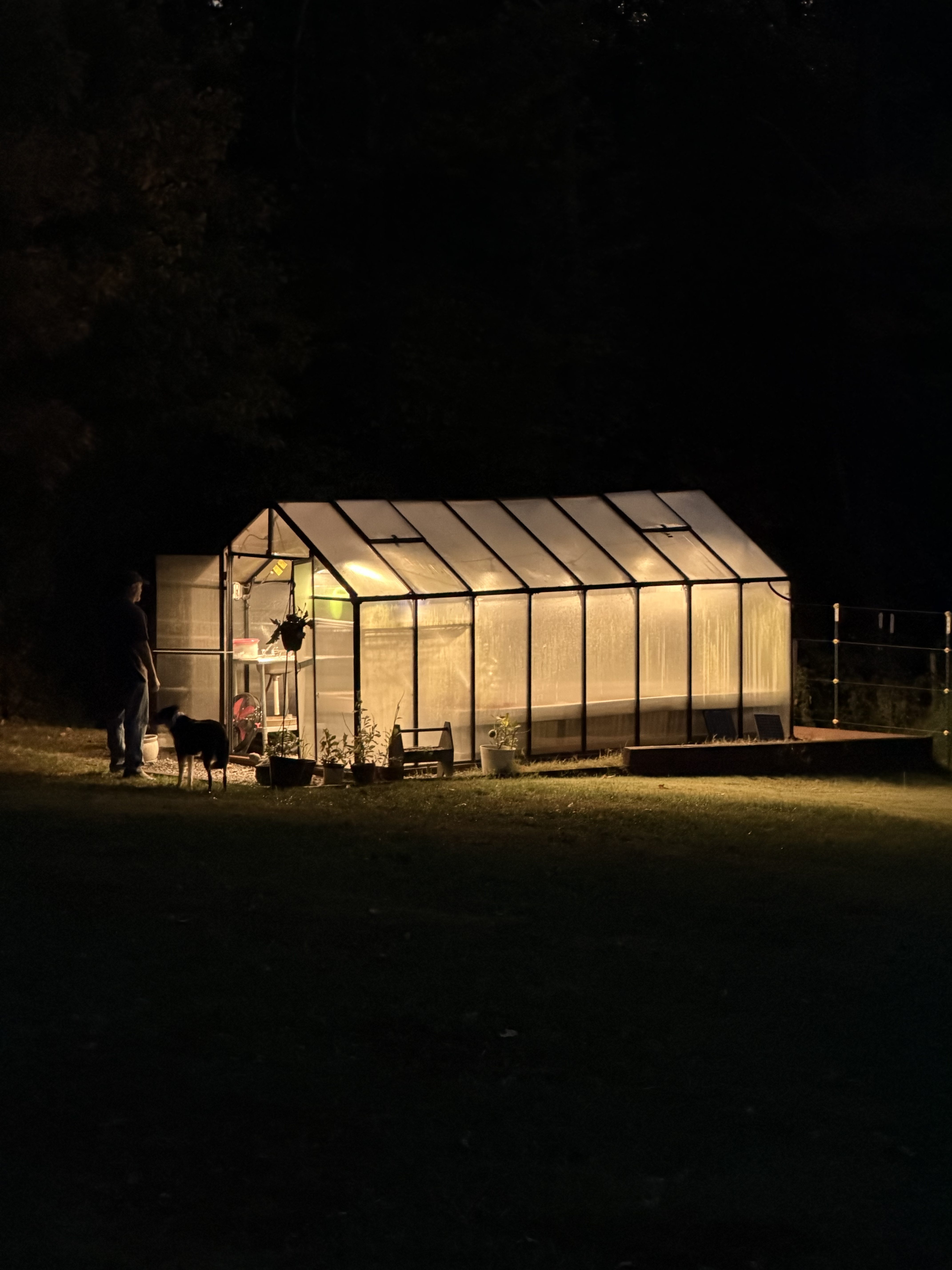
Last night, as cold as it was, I found myself looking up at the starry sky and couldn’t help but think about how—for ages—farmers have used the information in almanacs, especially astronomy, as a guide. Long before weather apps and digital calendars, people planned their days, seasons, and livelihoods by the sun, the moon, and the stars. That quiet moment outside felt like a small connection to everyone who has ever worked the land before us.
That’s the heart of the almanac—and why its wisdom still matters so much to homesteaders and gardeners today.
A Long Tradition of Watching the Sky and the Seasons
For more than two centuries, the Farmer’s Almanac served as a trusted companion for rural households. Its pages brought together astronomy, weather forecasts, planting guidance, and practical advice, all rooted in careful observation of natural cycles.
Farmers didn’t just glance at the almanac—they lived by it. When to plant, when to harvest, when to expect frost, and even when to butcher livestock were often influenced by the rhythms documented inside its covers.
Why Almanac Wisdom Still Resonates Today
Modern homesteaders may have access to far more technology, but the core challenges haven’t changed:
- Weather is unpredictable
- Growing seasons are precious
- Timing matters
- Preparation is everything
Almanacs encourage us to slow down, look up, and pay attention—to daylight length, moon phases, and seasonal shifts. That mindset fits beautifully with today’s homesteading values of intentional living and working with nature instead of against it.
Garden Planning the Old-Fashioned Way (That Still Works)
One of the most enduring aspects of almanac wisdom is garden planning.
Planting by the Moon
Almanacs traditionally guide gardeners to plant according to lunar phases:
- Waxing moon for above-ground crops
- Waning moon for root crops
Even if you don’t follow this method exactly, it naturally encourages better timing, patience, and awareness in the garden—things every gardener benefits from.
You can still explore planting calendars and seasonal guidance here:
👉 https://www.almanac.com/gardening
Astronomy, Weather, and Preparedness
Astronomy has always been a cornerstone of almanacs. Tracking the movement of celestial bodies helped farmers anticipate seasonal changes long before meteorology existed as we know it.
Today, long-range forecasts and seasonal outlooks still help homesteaders:
- Prepare coops and shelters for winter
- Adjust planting schedules
- Plan food preservation and storage
- Anticipate extreme weather
Used as guidance—not gospel—this information supports thoughtful preparation.
An Important Change: The Farmer’s Almanac Is Ending
There is, however, an important shift happening. The Farmer’s Almanac will cease publication in 2026, closing a chapter that has guided generations of growers and land stewards.
While that news carries a sense of nostalgia and loss, it doesn’t mean the end of almanac wisdom.
The Old Farmer’s Almanac Lives On
Thankfully, The Old Farmer’s Almanac will continue publishing its annual editions. Even better, it offers an extensive collection of online resources—planting calendars, weather insights, astronomy guides, and seasonal advice—available at:
👉 https://www.almanac.com
This ensures that the tradition of almanac-based planning remains accessible to modern homesteaders, whether you prefer a printed book on the kitchen table or an article pulled up on your phone.
Blending Old Wisdom with Modern Homesteading
The beauty of today’s homesteading journey is that we don’t have to choose between old and new. We can:
- Look to almanacs for seasonal rhythm and perspective
- Use extension services for science-based recommendations
- Rely on modern tools for precision and record-keeping
Together, they create a grounded, resilient approach to gardening and self-sufficiency.
Looking Up, Looking Ahead
Standing under a cold, star-filled sky makes it clear why almanacs have endured for so long. They remind us that we are part of something bigger—cycles that existed long before us and will continue long after.
While the Farmer’s Almanac may be ending, the wisdom it represents lives on. For homesteaders and gardeners, that connection to nature, time, and tradition is as valuable today as it has ever been.


Leave a Reply