
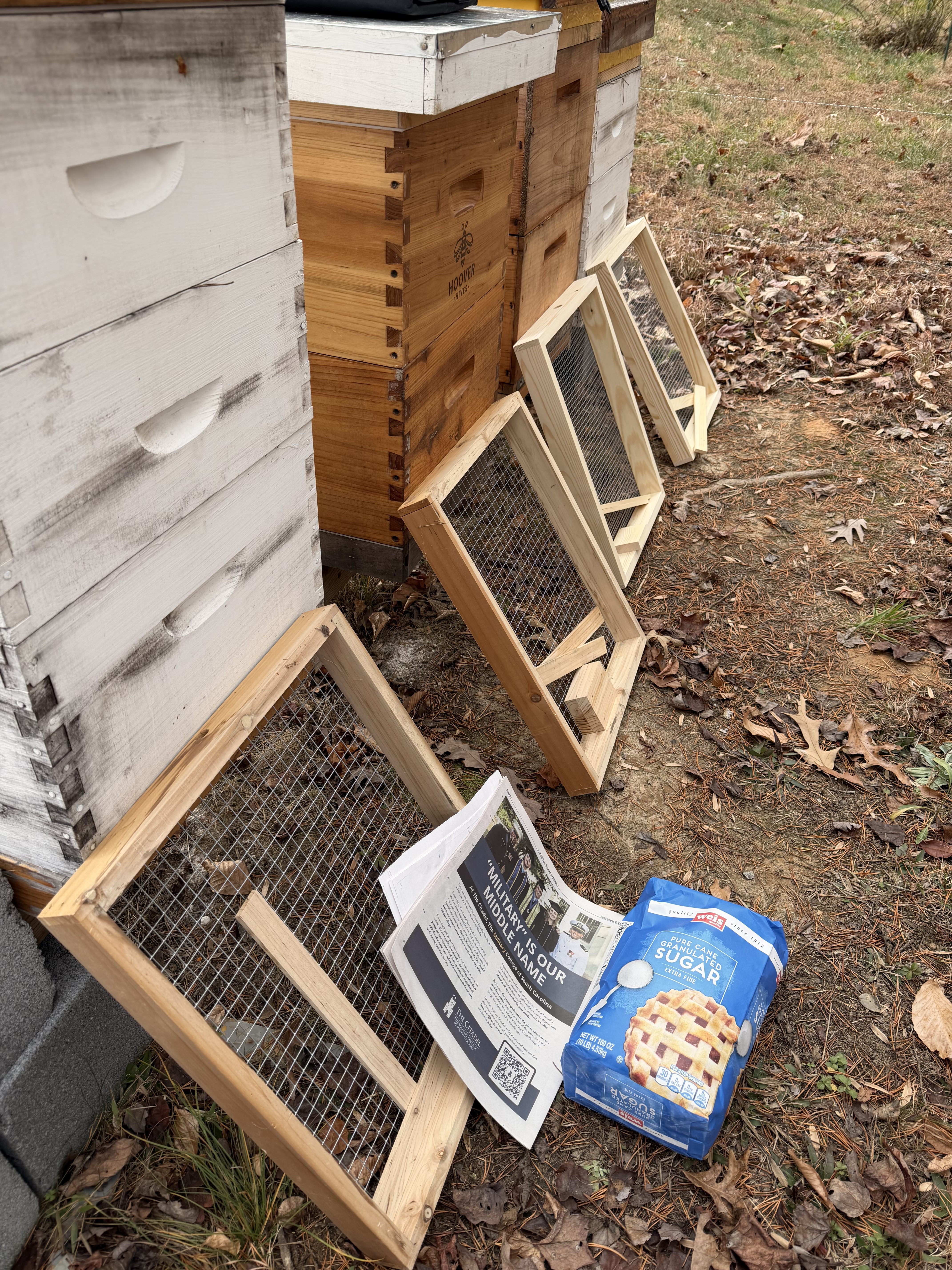
Where can you reduce clutter in your life?
Homesteads have a way of collecting things. Some of it is intentional—tools, buckets, fencing supplies, seed trays, canning jars, feed bins, and half-finished projects that will be very useful someday. Other items simply appear over time: an extra wheelbarrow that needs a tire, a stack of boards saved “just in case,” or a box of hardware whose purpose is long forgotten.
Clutter on a homestead doesn’t happen overnight, and it isn’t always a sign of disorganization. More often, it’s a sign of productivity. Things are being built, repaired, grown, harvested, preserved, and cared for. But when clutter starts to slow you down, cause stress, or make everyday tasks harder, it’s time to take a more intentional approach.
Controlling clutter on the homestead isn’t about creating a picture-perfect farmstead. It’s about making your space work for you—not against you.
Why Clutter Feels Different on a Homestead
Homestead clutter is unique because nearly everything has potential value.
That old bucket might be perfect for collecting eggs.
The broken gate could be fixed and reused.
The empty jars will come in handy at canning season.
Unlike a suburban home, where clutter often consists of excess consumer goods, homestead clutter is usually tied to self-sufficiency. That makes it harder to let go.
The goal isn’t minimalism—it’s functional organization.
Start With Function, Not Aesthetics
One of the biggest mistakes homesteaders make when trying to control clutter is starting with how things look instead of how things work.
Before organizing anything, ask yourself:
Do I use this regularly?
Does this item support the animals, garden, or household?
Is it accessible when I need it?
Does it slow me down to find or use?
Clutter becomes a problem when it interferes with daily chores, seasonal work, or safety—not simply because it looks messy.
Create Zones for Homestead Life
A powerful way to control clutter is to organize your homestead into zones, each with a clear purpose.
Common Homestead Zones
– Animal Care Zone: Feed, bedding, medications, tools, waterers
– Garden & Greenhouse Zone: Seeds, trays, soil, hand tools, fertilizers
– Processing & Preservation Zone: Canning supplies, dehydrators, jars
– Repair & Build Zone: Tools, fasteners, scrap materials
– Seasonal Storage Zone: Holiday items, seasonal fencing, heaters, fans
When items drift outside their zone, clutter multiplies quickly. A few minutes spent returning things to their proper zone at the end of the day can prevent weeks of buildup.
Use the “Seasonal Reality” Test
Homesteads run on seasons, and clutter often builds up when seasons change.
Ask:
Did I use this last season? Will I realistically use it in the next year? Do I own duplicates because I couldn’t find the original?
If something hasn’t been touched in two full growing seasons, it’s time to reassess whether it’s worth the space it occupies.
Storage That Matches the Work
Traditional household storage often fails on a homestead. Cardboard boxes, small drawers, and decorative bins don’t stand up to dirt, moisture, or heavy use.
Instead, prioritize:
Clear, stackable bins for visibility Labeled buckets and totes Pegboards for frequently used tools Shelving that keeps items off the floor Weather-resistant containers in barns and coops
Good storage reduces clutter not because it hides things, but because it makes returning items easy.
Control the “Someday” Pile
Every homestead has a “fix it later” pile. The danger comes when that pile grows without limits.
Set boundaries:
One designated repair shelf or bin A monthly or quarterly review A rule that unfinished projects must fit in a defined space
If it doesn’t fit, something has to go.
This keeps useful projects from turning into permanent clutter.
Build Decluttering Into the Homestead Rhythm
Clutter control works best when it’s routine, not reactive.
Consider:
A quick weekly reset of high-traffic areas Seasonal cleanouts before planting and harvesting Annual reviews of tools, supplies, and storage areas
Treat clutter control like any other homestead task—part of the cycle, not a one-time event.
Let Go Without Guilt
Letting go of homestead items can feel wasteful, but holding onto everything can cost you time, energy, and mental clarity.
If an item:
Creates stress Takes up space needed for active projects Hasn’t served a purpose in years
It may be more valuable to someone else—or simply no longer needed.
Clutter doesn’t make you more prepared. Intentional systems do.
A Homestead That Works With You
A clutter-controlled homestead doesn’t mean empty shelves or spotless barns. It means knowing where things are, being able to move freely, and focusing your energy on what matters—caring for animals, growing food, and building a sustainable life.
Order on the homestead isn’t about perfection. It’s about peace, efficiency, and making room for the work you love.



Leave a Reply