

If you’ve ever wondered why one flock produces beautiful eggs with thick shells while another struggles with thin shells, inconsistent laying, or poor egg quality, the answer often begins in the feed bucket.
One of the biggest misconceptions in backyard chicken keeping is that once hens start laying, they can eat the same thing for the rest of their lives. In reality, a chicken’s nutritional needs change dramatically as she grows from a fluffy chick into a productive laying hen and eventually into an older bird.
The good news is that feeding laying hens well isn’t complicated. Understanding what your flock needs during each stage of life can lead to healthier birds, stronger eggshells, richer yolks, and more consistent egg production.
At J & J Homestead, we’ve learned that good nutrition is one of the best investments you can make in your flock. Healthy hens simply lay better eggs.

Why Nutrition Matters More Than Breed
While genetics certainly influence egg production, nutrition determines whether a hen can reach her full potential.
Every egg requires an enormous amount of nutrients to produce. In fact, creating an eggshell alone requires a significant amount of calcium every single day. If a hen cannot obtain enough calcium from her diet, she’ll begin pulling it from her own bones, eventually weakening her skeletal system and producing poor-quality shells.
Protein, vitamins, minerals, amino acids, healthy fats, and clean water all work together to produce strong shells, firm whites, vibrant yolks, and healthy hens.
Feeding the proper diet throughout each stage of life builds the foundation for years of productive egg laying.
Feeding Chicks: Hatch to About 6 Weeks
Everything starts here.
Baby chicks grow incredibly fast. During their first several weeks, their bodies are developing muscles, feathers, bones, organs, and immune systems. They need a nutrient-dense starter feed designed specifically for rapid growth.
Choose a quality chick starter containing approximately 20% protein. This higher protein level supports healthy development and prepares future laying hens for adulthood.
At this age, avoid offering many treats. Every bite of scratch grains or table scraps replaces valuable nutrients found in their complete feed. Chicks should receive fresh water at all times, and if they consume anything other than commercial feed, they’ll also need chick grit to aid digestion.
Although it may be tempting to start offering “special treats,” their complete starter ration truly provides everything they need.
Growing Pullets: Approximately 6 to 18 Weeks
As chicks mature into awkward teenage chickens, their nutritional needs begin to shift.
During this stage, most backyard flocks transition to a grower feed containing around 15-17% protein. This feed continues supporting steady growth without encouraging premature egg production.
One mistake many new chicken keepers make is switching to layer feed too early.
Layer feed contains substantially more calcium than growing birds require. Feeding excessive calcium before hens begin laying can place unnecessary stress on developing kidneys and may negatively impact long-term health. Most poultry nutrition experts recommend waiting until birds are close to laying or when the first eggs begin appearing before making the switch.
This is also the stage when your birds develop strong skeletal structure, which becomes especially important once they begin producing eggs almost daily.
The Beginning of Lay: Around 18 to 22 Weeks
One morning, you’ll walk into the coop and discover that first tiny egg.
Once your flock begins laying, it’s time to transition gradually to a quality layer ration.
A complete layer feed typically contains around 16-18% protein along with elevated calcium levels designed specifically for egg production.
Calcium becomes one of the most important nutrients because every eggshell requires roughly two grams of calcium. Most of that calcium comes directly from the hen’s daily diet, while the remainder may be drawn from specialized bone reserves if needed.
Rather than mixing feeds indefinitely, make a gradual transition over about a week to help prevent digestive upset.
Peak Egg Production
The first two years are often the most productive years of a hen’s life.
During this period, consistency is everything.
Provide unlimited access to a balanced layer feed, along with fresh, clean water every day. Remember that eggs are made up primarily of water, so even short periods without access can dramatically reduce production.
Many experienced chicken keepers also offer free-choice oyster shell in a separate container.
This is especially helpful because hens regulate their own calcium intake remarkably well. Birds producing larger eggs often consume more oyster shell than lighter-producing hens. Providing it separately also allows roosters or non-laying birds to avoid consuming unnecessary calcium.
At our homestead, we’ve found that offering oyster shell free-choice gives our laying hens exactly what they need without forcing every bird to consume extra calcium.
Feeding Older Laying Hens
As hens age, egg production naturally slows.
You may notice larger eggs, thinner shells, or occasional shell defects. This isn’t necessarily a sign of poor health—it’s simply part of aging.
Older hens often benefit from continued access to oyster shell, as calcium requirements increase with age while shell quality naturally becomes more difficult to maintain. Research has shown that slightly higher dietary calcium levels in older hens can improve shell strength and reduce cracked eggs.
Even if production decreases, older hens still deserve a high-quality balanced diet. Many continue laying reliably for years, even if not at the remarkable pace they maintained during their first seasons.
What About Free-Ranging?
One of the greatest joys of raising backyard chickens is watching them forage.
Grass, weeds, seeds, insects, worms, and even the occasional frog provide enrichment and additional nutrients.
However, free-ranging should supplement a complete diet—not replace it.
Even excellent foragers cannot reliably consume enough balanced protein, calcium, vitamins, amino acids, and energy to sustain optimal egg production throughout the year.
Think of foraging as nature’s bonus rather than the main course.
Can Hens Eat Kitchen Scraps?
Absolutely—in moderation.
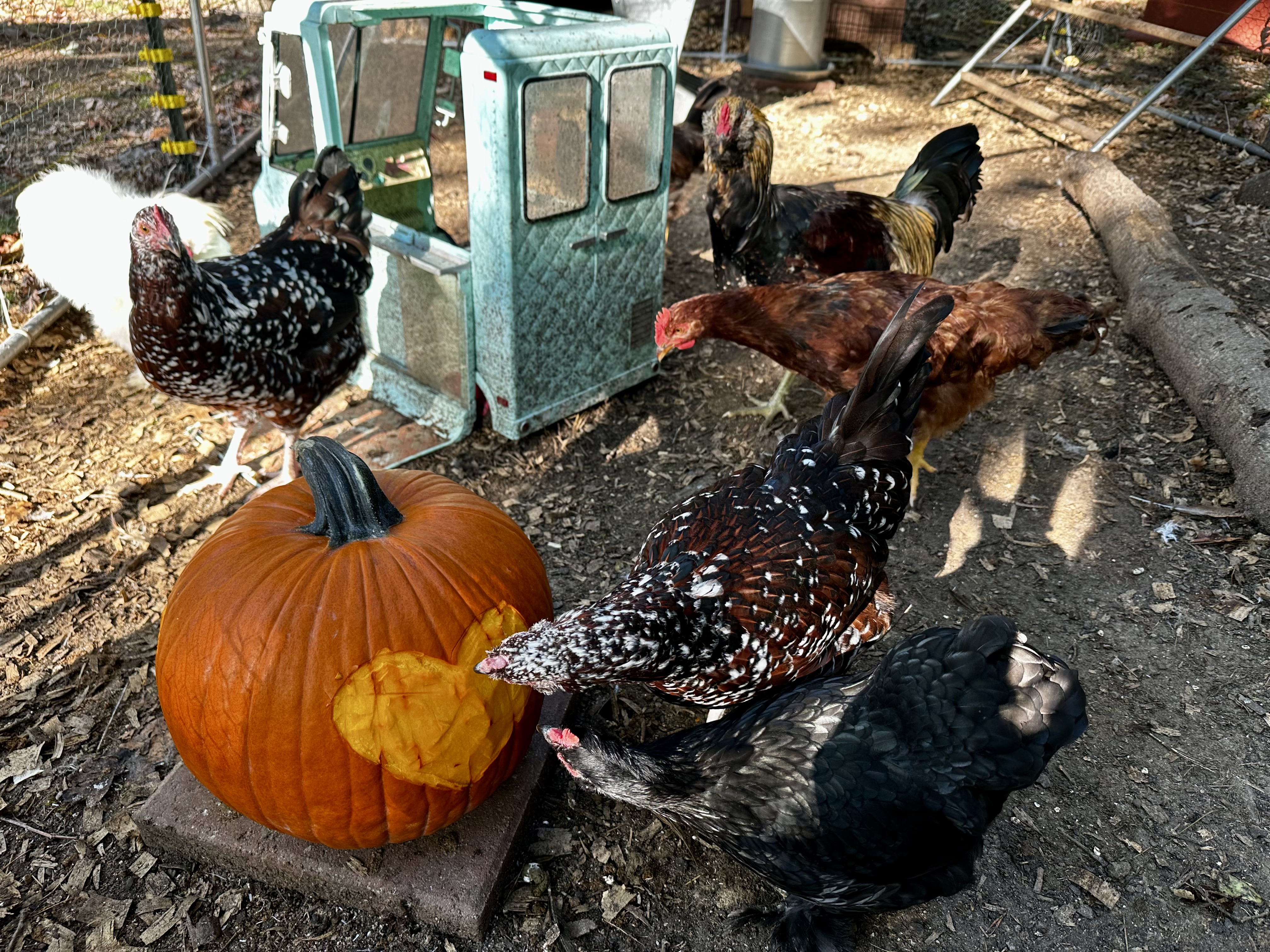
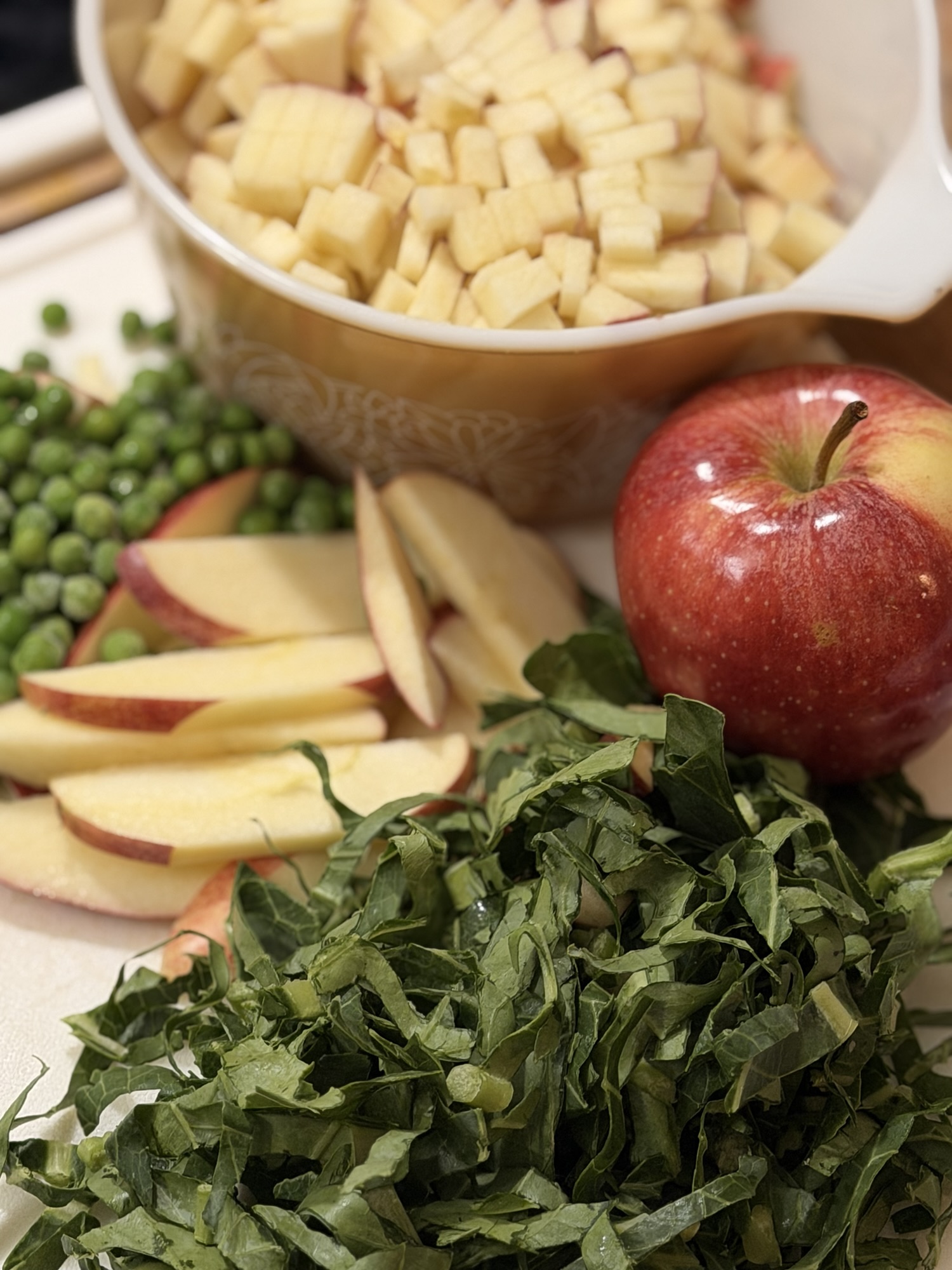
Vegetable trimmings, watermelon, pumpkins, cucumbers, squash, berries, and leafy greens all make wonderful occasional treats.
Scratch grains can also be offered sparingly, especially during colder months when birds need additional calories.
The key is remembering that treats should remain just that: treats.
Most poultry nutritionists recommend limiting treats to no more than about 10% of the total diet so hens continue eating enough complete feed to meet their nutritional needs.
Common Feeding Mistakes
Many egg production issues can be traced back to a few common mistakes.
Switching to layer feed too early, offering excessive treats, forgetting supplemental oyster shell, neglecting fresh water, or purchasing poor-quality feed can all affect egg production.
Another common issue is storing feed improperly. Feed loses nutritional value over time, especially if exposed to moisture, heat, or rodents. Buying manageable quantities and storing them in sealed containers helps maintain freshness.
The Secret Ingredient: Fresh Water
Ask any experienced poultry keeper what the most important nutrient is, and many will answer without hesitation: water.
A hen deprived of water—even briefly during hot weather—can stop laying almost immediately.
Always provide clean, cool water and check it frequently during summer heat and winter freezing temperatures.
Healthy hydration supports digestion, nutrient absorption, body temperature regulation, and ultimately egg production.
Final Thoughts
Great eggs begin long before they’re laid.
They start with healthy chicks receiving the right nutrition from day one. They continue with balanced grower feed during adolescence, quality layer feed during peak production, and thoughtful supplementation as hens age.
While there are countless supplements, homemade feed recipes, and secret tricks promoted online, the reality is refreshingly simple.
Feed a high-quality complete ration appropriate for your birds’ age, provide fresh water every day, offer free-choice oyster shell for laying hens, and let good nutrition do the rest.
Your hens will reward you with healthier lives, stronger shells, brighter yolks, and baskets full of beautiful farm-fresh eggs.
Frequently Asked Questions
When should I switch chickens to layer feed?
Most backyard chickens should transition to layer feed around 18 weeks of age or when the first eggs appear, whichever comes first.
Should I give laying hens oyster shell if they already eat layer feed?
Yes. Many poultry keepers provide oyster shell free-choice because hens naturally regulate how much additional calcium they need, especially during heavy production or later in life.
Can laying hens eat scratch grains every day?
Yes, but only in moderation. Scratch grains should complement a balanced diet, not replace a complete layer feed.
Do free-range chickens still need commercial feed?
Yes. While free-ranging adds valuable nutrients and enrichment, it rarely supplies a complete nutritional profile year-round for consistent egg production.

Leave a Reply