
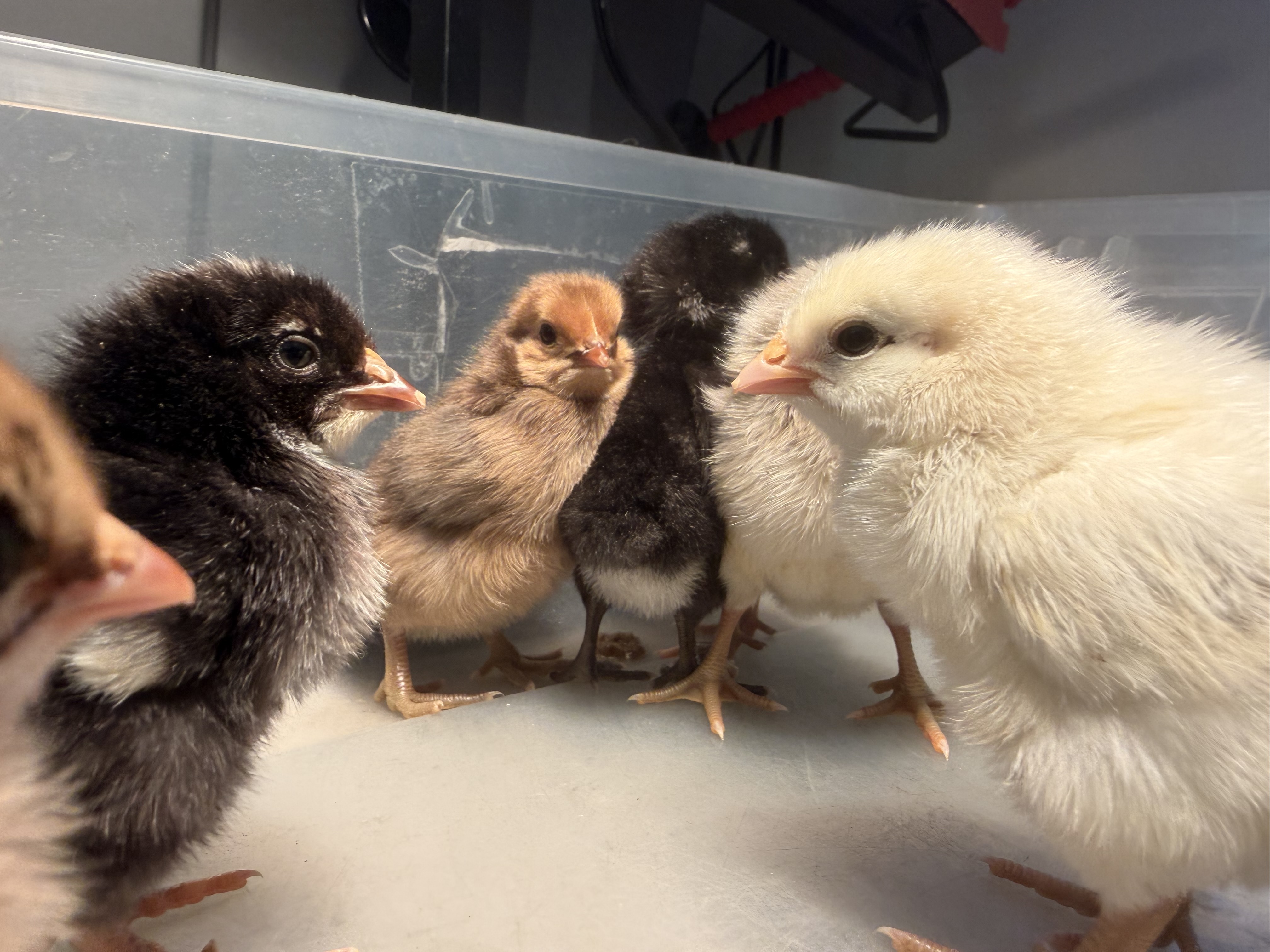
One of the biggest misconceptions about homesteading is that, eventually, you’ll figure it all out.
The truth?
You never stop learning.
Whether you’re raising chickens, harvesting honey, tending a garden, preserving food, or running a farmstand, every season brings something new to teach you. Even if you’ve been doing something for years, conditions change. Weather changes. Animals surprise you. Plants have different needs. Customers ask different questions. Predators find new ways to challenge your flock. Every year is different, and that’s exactly what makes homesteading such a rewarding journey.
At J & J Homestead, we’ve learned that one of the most valuable skills you can develop isn’t knowing every answer—it’s being willing to keep learning.
Every Season Teaches Something New
This year has been full of reminders that experience doesn’t mean you’ve seen everything.
We’ve harvested honey before, but every harvest is different. The weather influences when we harvest. The bees behave differently depending on nectar flow. Some years the frames come out easily. Other years they don’t. Every harvest teaches us something we can carry into the next season. This year we had some challenges, but we worked through them.
The same is true with raising poultry.
We’ve cared for chickens for years, yet every new flock brings its own personalities and challenges. Introducing new birds, dealing with predators, medical issues, managing extreme heat, or raising turkey poults—all of these experiences add another layer to what we’ve learned.
Running our farmstand has been no different.
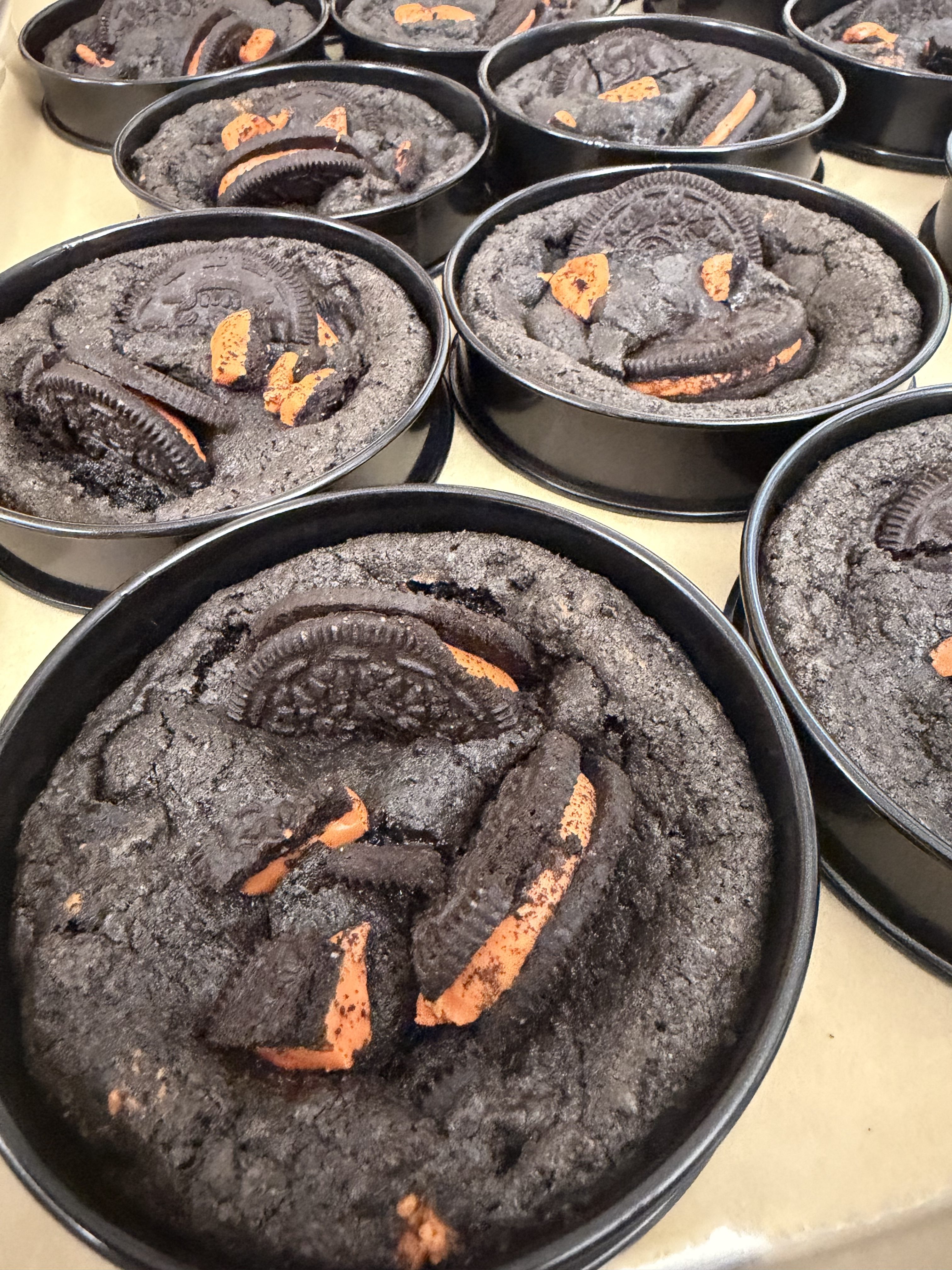
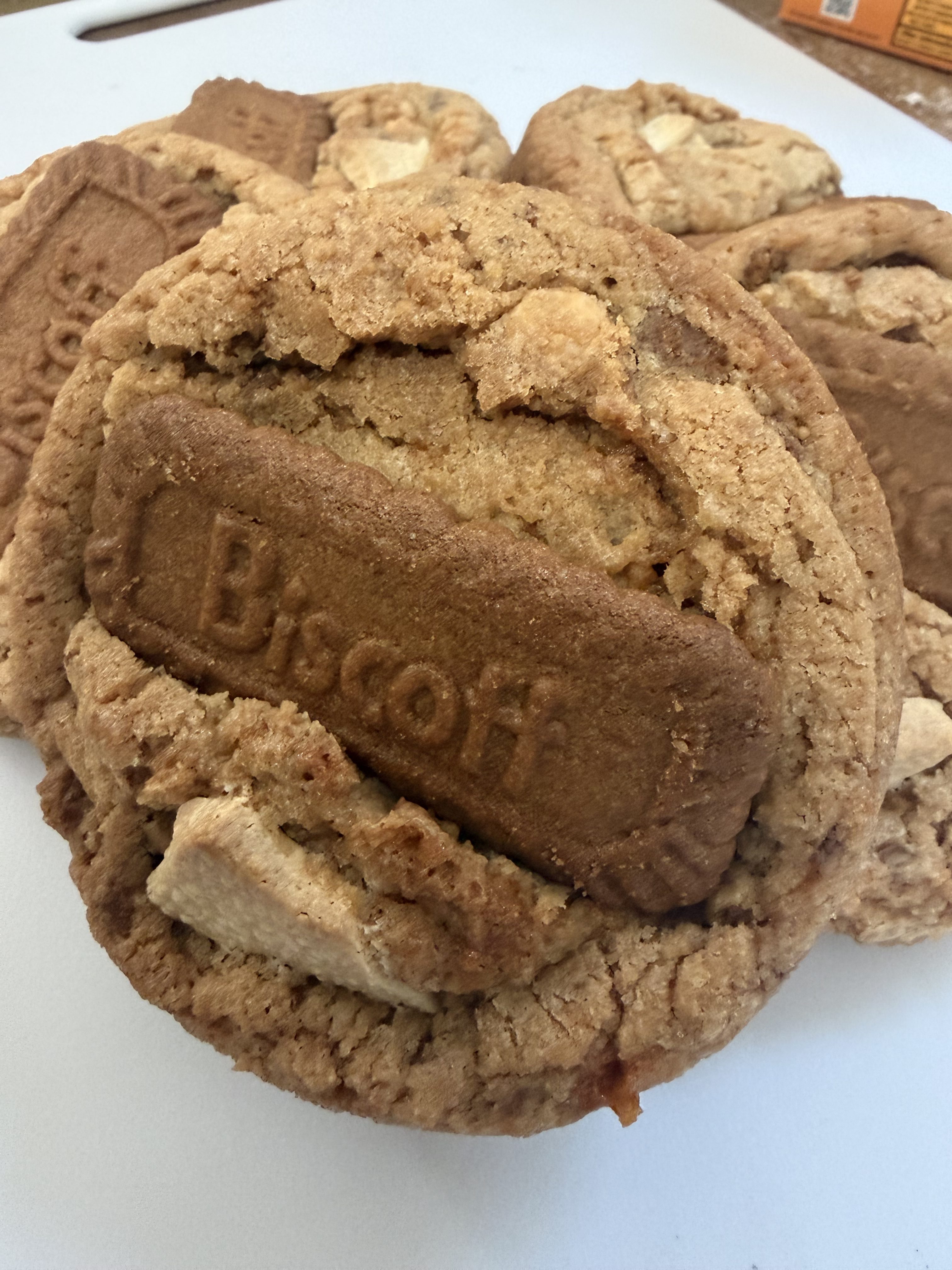
We quickly discovered that customers wanted things we hadn’t expected. Some products sold out immediately while others took longer to catch on. We adjusted our baking schedule, expanded our hours, and listened closely to the feedback people shared in our guestbook.
None of those lessons came from reading a book.
They came from doing the work.
Experience Doesn’t Mean You Stop Learning
One of my favorite things about homesteading is that nature keeps us humble.
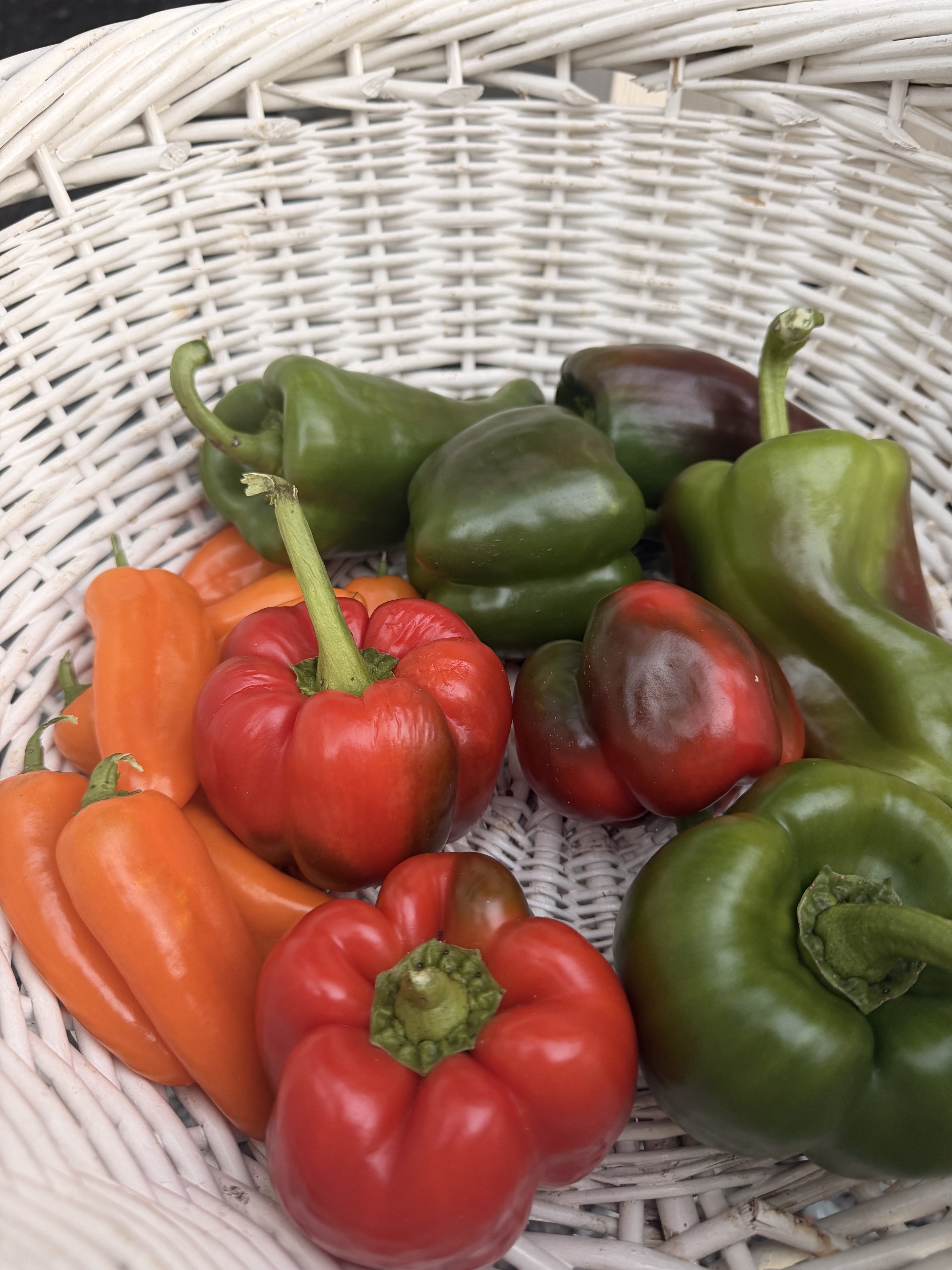
You might have successfully grown tomatoes for ten years, but one unusually wet spring brings a completely different set of diseases.
Your chickens may have sailed through every summer until an extended heat wave forces you to rethink how you provide shade, airflow, and hydration.
Your bees may produce a record honey crop one season and much less the next because of weather patterns completely outside your control.
That’s not failure.
That’s farming.
The goal isn’t to avoid every mistake. The goal is to learn from every experience.
Keep Notes for Your Future Self
One habit that has become incredibly valuable for us is keeping detailed notes.
Every year, we write down what worked, what didn’t, and what we’d do differently next time.
When we harvest honey, we make notes about:
- The weather conditions.
- What time we started.
- Which equipment worked best.
- How we transported the honey frames.
- What we’d change next year.
When we’re raising poultry, we note:
- Feed changes.
- Health observations.
- Brooder temperatures.
- Integration techniques.
- Predator prevention improvements.
For the garden, we record:
- Planting dates.
- Harvest dates.
- Pest problems.
- Fertilizer schedules.
- Which varieties performed best.
And for the farmstand, we keep track of:
- Customer favorites.
- Busy days.
- Products that sold quickly.
- New ideas from our guestbook.
- Seasonal trends.
These notes have become conversations with our future selves.
Instead of trying to remember exactly what worked last year, we simply open our notebook.
It’s amazing how many little details we’d otherwise forget.
Give Yourself Grace
This may be the most important lesson of all.
Give yourself permission to learn.
Social media often shows polished gardens, overflowing egg baskets, beautiful farmstands, and perfectly bottled honey. (Social media can also beat you up for mistakes that you have made.)
What you don’t always see are the mistakes that happened before those pictures were taken.
The tomatoes that didn’t make it.
The recipe that failed.
The fence that wasn’t predator-proof enough.
The hive inspection that took twice as long as expected.
The birds that taught you an unexpected lesson.
Every experienced homesteader has stories like these.
The difference isn’t that they’ve avoided mistakes.
The difference is that they’ve learned from them.
Homesteading Is About Progress, Not Perfection
Some of our biggest improvements at J & J Homestead have come from asking one simple question after every project:
“What should we do differently next time?”
Sometimes the answer is a better tool.
Sometimes it’s a different schedule.
Sometimes it’s simply starting earlier in the morning.
Every small improvement adds up over time.
That’s how experience is built—not by getting everything right the first time, but by making each season a little better than the last.
The Learning Never Ends
One of the beautiful things about homesteading is that there is always another skill to develop.
Maybe this year you’re learning to care for bees.
Next year you might be learning food preservation.
Perhaps you’ll try raising turkeys, planting fruit trees, improving your soil, or expanding your garden.
There will always be another project waiting.
Another lesson to learn.
Another challenge to solve.
And honestly, I hope that never changes.
Because if there’s nothing left to learn, the adventure is over.
So wherever you are on your homesteading journey—whether you’re collecting your very first egg or harvesting honey for the tenth season—remember to give yourself grace.
Take notes.
Celebrate the victories.
Learn from the setbacks.
And trust that every challenge is making you a better homesteader.
After all, the learning isn’t something that gets in the way of the journey.
The learning is the journey.



Leave a Reply