
If you’ve kept chickens for any length of time, you’ve probably heard the word coccidiosis. It’s one of those diseases that every poultry keeper hopes they’ll never have to deal with, but sooner or later, most of us either experience it ourselves or help another chicken owner through it.
One of the biggest lessons I’ve learned on the homestead is that preparation beats panic every single time. We keep a poultry first aid kit stocked with the supplies we hope we’ll never need, and one of those medications is Corid.
Understanding coccidiosis, recognizing the symptoms early, and beginning treatment quickly can save birds and prevent a small problem from becoming a flock-wide emergency.
What Is Coccidiosis?
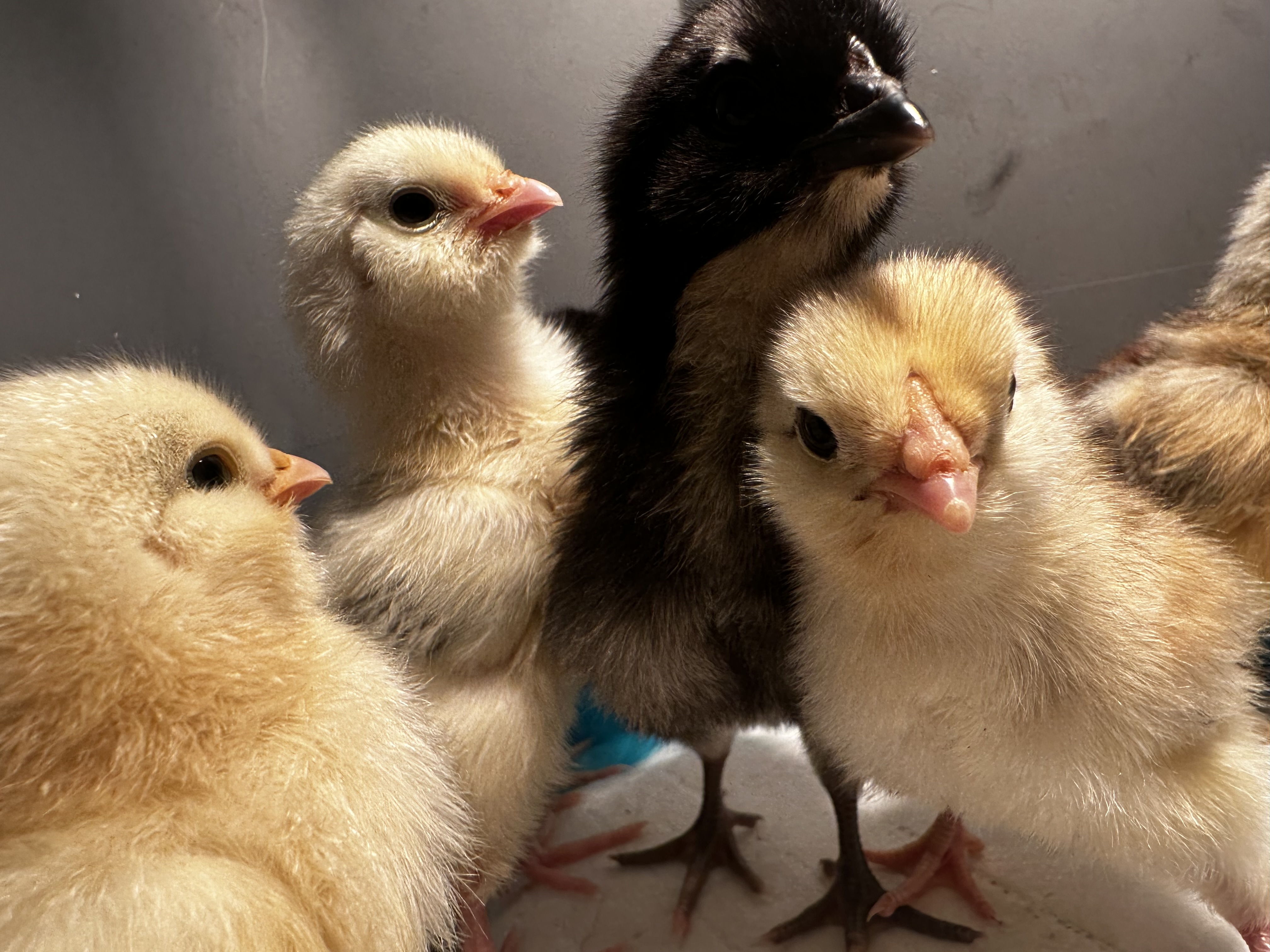
Coccidiosis is an intestinal disease caused by microscopic parasites known as Eimeria species. These parasites naturally exist in the environment, especially in soil and poultry litter. Healthy adult chickens often develop immunity after low-level exposure, but young chicks between three and eight weeks of age are particularly vulnerable, especially during periods of stress.
The parasite reproduces inside the intestinal lining, damaging the digestive tract and making it difficult for birds to absorb nutrients and water. In severe cases, the disease can become fatal if left untreated.
The good news is that coccidiosis is treatable, especially when caught early.
Recognizing the Symptoms
One of the challenges with coccidiosis is that the symptoms can begin subtly.
Watch for:
- Lethargy or birds that isolate themselves
- Fluffed-up feathers
- Loss of appetite
- Weight loss
- Pale combs
- Drooping wings
- Watery droppings
- Bloody droppings (with certain species of coccidia)
- Reduced growth in young birds
- Dehydration
Not every chicken will show bloody droppings. In fact, many cases don’t, so waiting for blood before taking action can delay treatment.
Whenever I notice a young bird acting “off” or “not chickening right” I pay close attention. Chickens naturally hide illness, so even small behavioral changes deserve investigation.
Why Young Chickens Are Most at Risk
Chicks hatch without immunity to coccidia. As they grow, they gradually build natural resistance through low-level exposure to the parasites.
Stress can increase the risk dramatically, including:
- Moving to a new coop
- Heat stress
- Wet bedding
- Overcrowding
- Shipping from hatcheries
- Introducing new birds
That’s one reason why keeping brooders and coops clean and dry is so important. Moist environments allow coccidia to multiply much more rapidly.
Diagnosing Coccidiosis
Although symptoms can strongly suggest coccidiosis, the most reliable diagnosis comes from a fecal examination performed by a veterinarian.
A fecal float or microscopic examination can identify large numbers of coccidia oocysts and help distinguish coccidiosis from other illnesses that may cause diarrhea or lethargy.
If multiple birds become ill or you’re uncertain about the diagnosis, contacting a veterinarian is always the safest course of action.
Treating Coccidiosis with Corid
One of the most common treatments available to backyard chicken keepers is Corid (amprolium).
Amprolium works by interfering with the parasite’s ability to utilize thiamine (Vitamin B1), preventing it from reproducing and allowing the chicken’s immune system to eliminate the infection.
The medication is typically administered in drinking water so that the entire flock receives treatment, since birds exposed to one infected chicken have often already encountered the parasite.
When treating with Corid:
- Follow the label directions exactly.
- Mix fresh medicated water daily.
- Make the medicated water the flock’s only drinking source.
- Ensure every bird is drinking normally.
- Complete the full treatment course even if birds begin improving after a few days.
Many veterinarians also recommend avoiding vitamin supplements containing thiamine while administering amprolium because they may reduce the medication’s effectiveness. Follow your veterinarian’s advice regarding supportive care and when vitamin supplementation should resume after treatment.
Supportive Care Matters
Medication is only one part of recovery.
Sick birds often become dehydrated quickly, especially during hot weather.
Supportive care should include:
- Fresh, clean water available at all times.
- Easy access to feed.
- Reducing stress.
- Keeping birds warm if they’re chilled.
- Separating severely ill birds if they’re being bullied.
- Maintaining clean, dry bedding.
After treatment is complete, many keepers choose to provide poultry vitamins or probiotics to help birds recover, although this should be done according to veterinary guidance and after amprolium treatment has concluded.
Can Chickens Recover?
Fortunately, yes.
When caught early, many chickens recover completely and develop improved immunity to the particular species of coccidia they encountered.
The key is early recognition and prompt treatment.
Waiting until birds become extremely weak significantly reduces the chances of a successful recovery.
Preventing Future Outbreaks
Like many poultry diseases, prevention begins with good management.
Some of the best prevention practices include:
- Keeping bedding dry.
- Cleaning waterers regularly.
- Avoiding overcrowding.
- Providing good ventilation.
- Reducing unnecessary stress.
- Practicing good biosecurity when introducing new birds.
- Monitoring chicks closely during their first several weeks of life.
It’s also worth remembering that complete elimination of coccidia from the environment isn’t realistic. Instead, the goal is maintaining healthy conditions that allow birds to build natural immunity without becoming overwhelmed by the parasite load.
Keep a Poultry First Aid Kit Ready
One lesson homesteading has reinforced for us is that emergencies rarely happen when stores are open.
Our poultry first aid kit stays stocked with supplies we hope never to use, including Corid, electrolytes, wound care products, dewormers, and other basic health supplies.
Having those items available means we can begin supportive care immediately while determining whether veterinary assistance is needed.
It’s one of those investments that may sit untouched for months, but when you need it, you’ll be incredibly glad it’s there.
Final Thoughts
Raising chickens comes with incredible rewards, but it also comes with responsibility. Diseases like coccidiosis can sound intimidating, especially for new chicken keepers, but they don’t have to be overwhelming.
By learning the symptoms, maintaining a clean environment, and keeping appropriate supplies on hand, you’ll be well prepared if coccidiosis ever appears in your flock.
Every challenge on the homestead becomes another opportunity to learn. With knowledge, preparation, and quick action, many cases of coccidiosis can be successfully treated, allowing your flock to return to doing what chickens do best—scratching, foraging, and filling the coop with fresh eggs.




Leave a Reply