
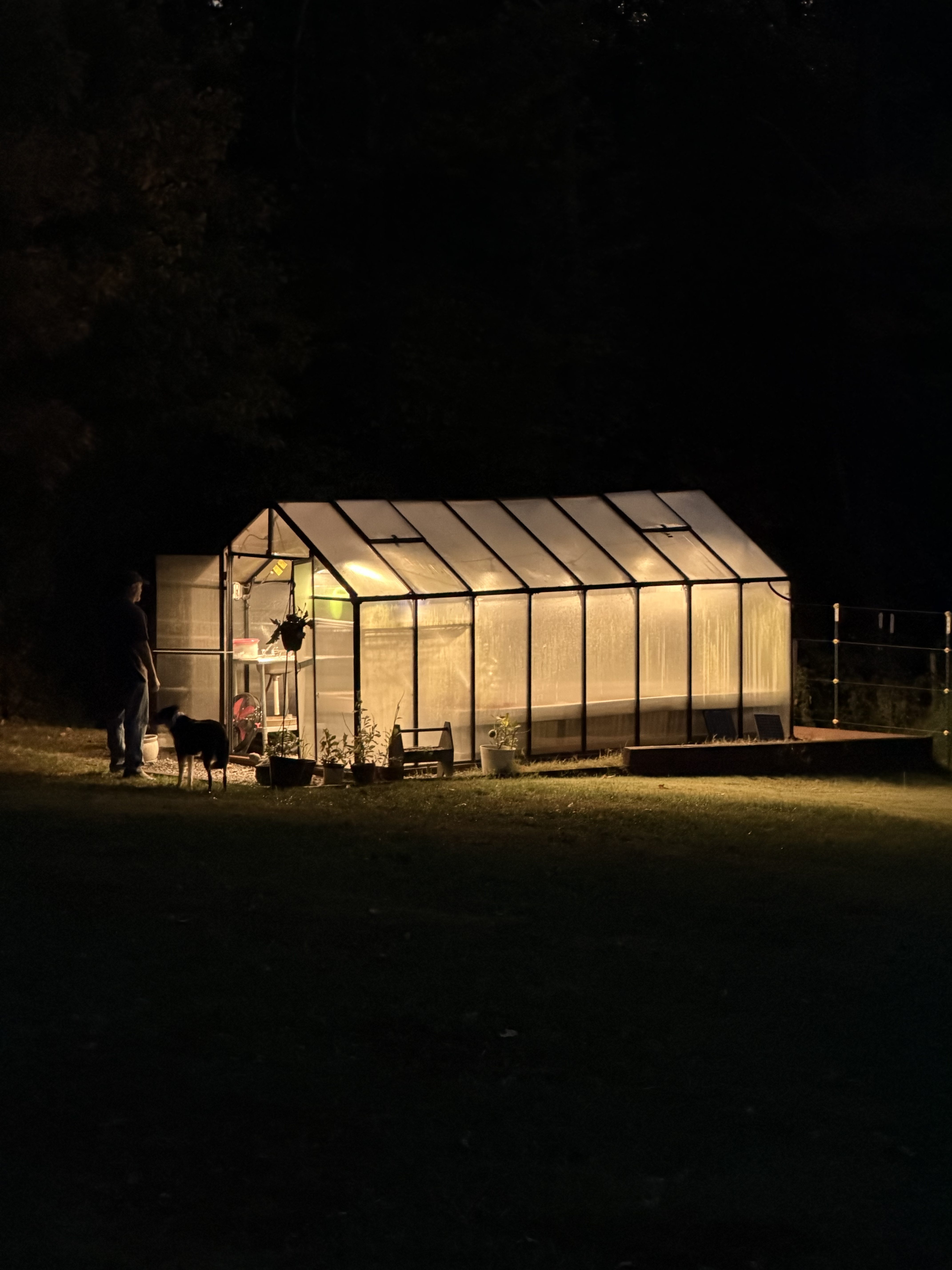
If there’s one thing I wish every new homesteader understood, it’s this: homesteading isn’t about doing everything—it’s about building the right systems.
I see it all the time. Someone decides they want to raise chickens, grow a garden, or maybe even keep bees. They’re excited, motivated, and ready to jump in. Then they ask for advice and hear the same responses over and over:
“Just start.”
“Watch some YouTube videos.”
“You’ll figure it out.”
While there’s some truth in those statements, they’re missing something incredibly important. Most new homesteaders don’t struggle because they lack passion. They struggle because they don’t have a plan.
At J & J Homestead, we’ve learned through experience—both the successes and the mistakes—that simple systems make all the difference. They don’t remove the challenges, but they make those challenges manageable and help you build confidence one step at a time.
Start With One Thing, Not Everything
One of the biggest mistakes new homesteaders make is trying to build their dream homestead all at once.
They buy chickens, plant a large garden, order bees, start canning, and begin researching goats—all in the same season. Honestly, that’s pretty much what I did – but add ducks to the list!
It sounds exciting, but it’s also incredibly overwhelming.
Instead, choose one area to focus on first. Maybe it’s raising a small flock of laying hens. Maybe it’s growing vegetables in a backyard garden. Maybe you’re fascinated by beekeeping.
Whatever you choose, give yourself permission to become comfortable with it before adding something new.
Every successful homestead is built one project at a time. Mastering one skill creates confidence for the next.
Build Your Routine Before You Build Your Homestead
People often assume they need endless free time to homestead.
The truth is, most of us don’t have it.
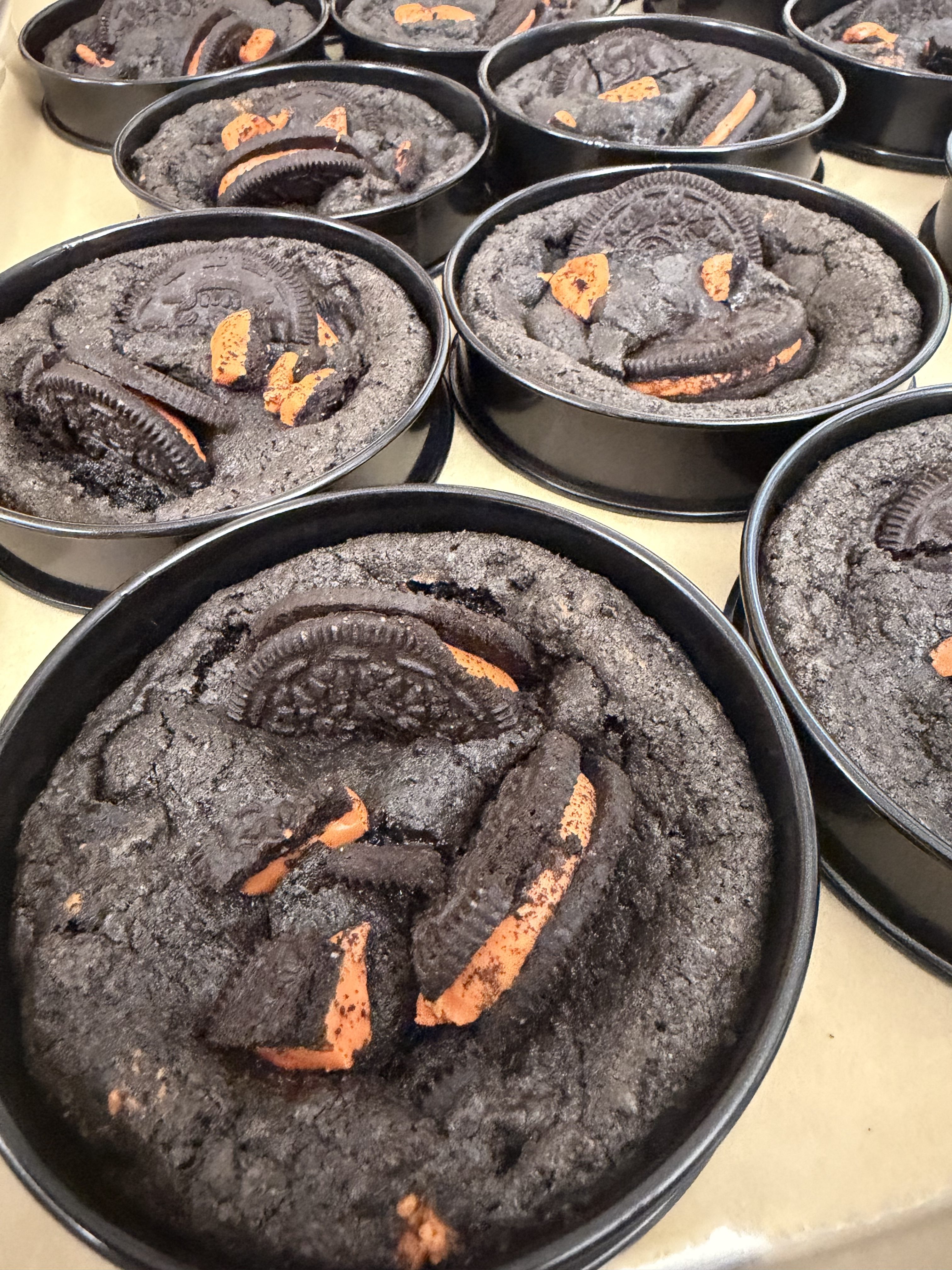
Like many families, we balance a full-time career with everything happening on the homestead. Our mornings begin around 4:00 a.m. because that’s the routine that works for us. Those quiet early hours allow us to bake for the farmstand, care for the animals, write blog posts, and stay ahead of the day’s responsibilities.
The secret isn’t having more hours.
It’s having a routine that fits your life.
Even thirty consistent minutes each day can accomplish far more than spending an entire weekend trying to catch up after a week of falling behind.
Find Your Homesteading Community
One conversation can save you months—or even years—of frustration.
Some of the best lessons we’ve learned didn’t come from books or online videos. They came from conversations with other homesteaders who were willing to share what worked, what didn’t, and what they wished they had known earlier.
One of my favorite experiences happened when a customer from our farmstand reached out with questions about how we raise our chickens. That conversation quickly turned into an exchange of ideas about goats, rabbits, poultry, gardening, and the realities of homestead life. We both walked away having learned something new.
That’s one of the things I love most about this lifestyle.
Homesteaders genuinely want to help one another succeed.
Don’t be afraid to ask questions. Join local groups, visit farmstands, attend agricultural events, or simply introduce yourself to someone whose work you admire.
Expect Mistakes—They’re Part of the Journey
Your first garden may struggle.
Your first batch of chicks may teach you lessons you never expected.
Your bees may decide to swarm.
None of these things mean you’re failing.
They’re simply tuition for your homesteading education.
Every experienced homesteader has stories about crops that didn’t produce, animals that got sick, equipment that broke, or projects that didn’t turn out as planned.
The difference is that successful homesteaders keep learning instead of giving up.
Every challenge teaches something valuable that makes the next season better.
Keep Records of Everything
One habit has become invaluable on our homestead: writing things down.
We keep notes about planting dates, harvest yields, incubation schedules, weather patterns, animal health, baking recipes, and observations from the garden.
We also take plenty of photographs.
Over time, those records become your personal homesteading handbook.
Instead of relying on memory, you can look back and see exactly when tomatoes produced their best harvest, what feed changes improved egg production, or which varieties handled your local weather the best.
Your homestead is unique.
The notes you collect today become your greatest resource tomorrow.
You Don’t Need Perfection to Begin
One of the biggest myths about homesteading is that you need acres of land, expensive equipment, or years of experience before you can start.
You don’t.
You need a willingness to learn.
You need realistic expectations.
Most importantly, you need a simple plan that grows alongside your skills.
That’s exactly how we started.
We didn’t know everything. We certainly made mistakes. But each season taught us something new, and every lesson became another building block toward the homestead we have today.
If you’re dreaming about homesteading, don’t wait until everything feels perfect.
Start with one manageable step, build routines that fit your life, learn from others, embrace the inevitable mistakes, and keep good records along the way.
Those five systems won’t just help you get started—they’ll help you keep going long after the excitement of the first season wears off.
The beautiful thing about homesteading isn’t becoming an expert overnight.
It’s becoming just a little more capable every single season.




Leave a Reply