
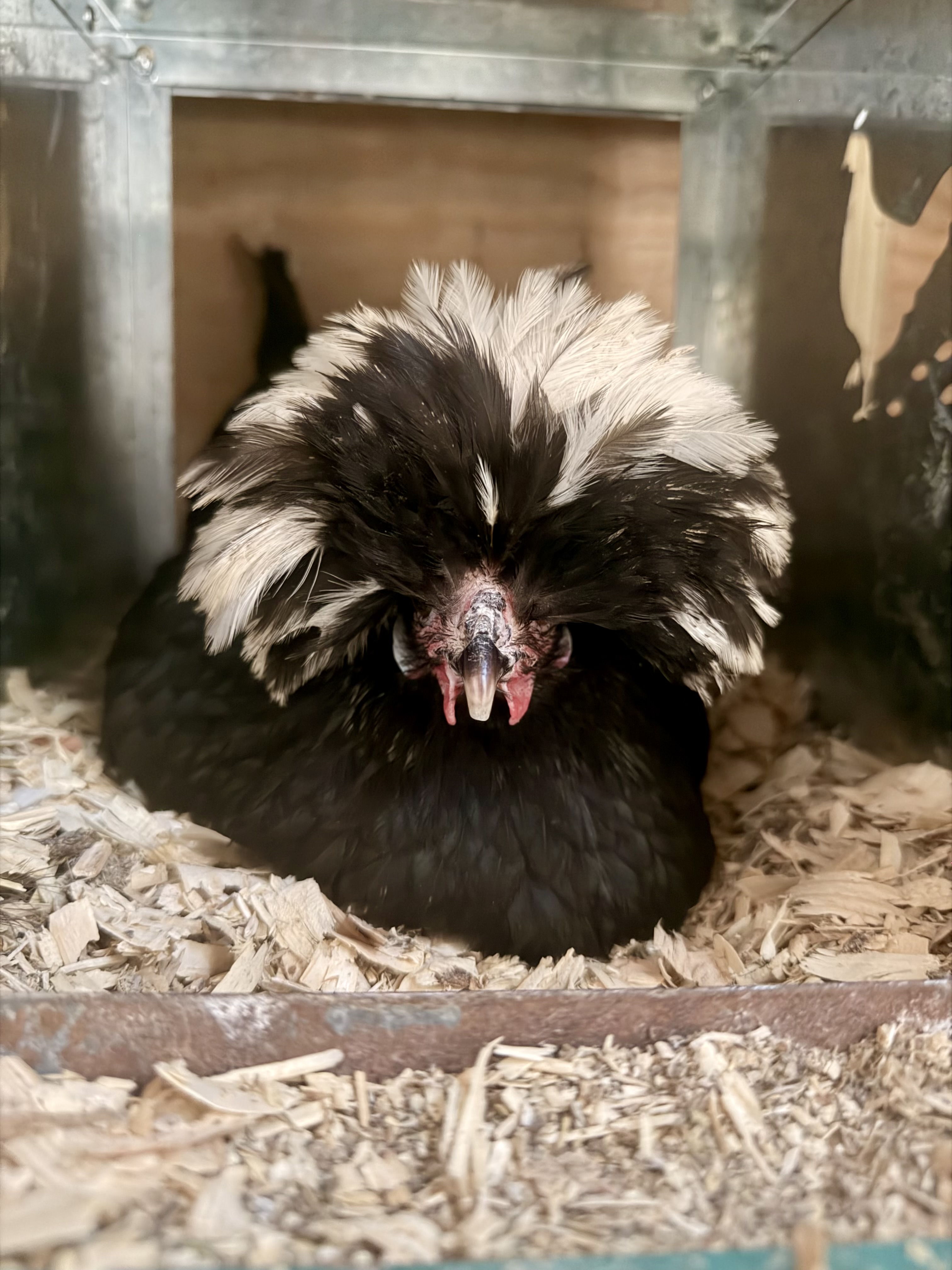
If you’ve stepped outside in Fredericksburg, Virginia over the past few days, you’ve probably noticed it immediately. The sky looks hazy, the air smells different, and the familiar blue summer sky has been replaced with a smoky veil. Even though the Canadian wildfires are many, many miles away, the smoke has traveled all the way to Virginia, affecting both people and animals.
As homesteaders, it’s impossible not to wonder what this means for our chickens and turkeys.
While there isn’t much we can do to remove the smoke from the air, we can take intentional steps to help our birds cope with the additional environmental stress. Interestingly, much of what we’re doing is already part of our summer heat routine—we’re simply paying even closer attention while the air quality remains poor.
Wildfire Smoke Adds Another Layer of Stress
Smoke doesn’t only affect humans. Poultry have incredibly efficient respiratory systems that make them more sensitive to airborne particles than many other animals. Fine particulate matter can irritate their respiratory tract, especially if they’re already dealing with summer heat and humidity.
Fortunately, healthy birds are remarkably resilient when they’re well cared for. Our goal isn’t to eliminate every risk—because that’s impossible—but to reduce unnecessary stress wherever we can.
That’s why our focus has remained on three simple but important priorities:
- Hydration
- Air movement
- Overall immune support
Those same priorities have helped our flock thrive through Virginia’s hottest days, and they’re just as important while wildfire smoke lingers.
Plenty of Fresh Water—With Electrolytes
The first thing we pay attention to is water.
Fresh, cool drinking water is always essential, but it becomes even more important during periods of poor air quality and extreme heat. Birds that stay well hydrated are better able to regulate their body temperature and continue eating and behaving normally.
One thing we’ve learned over the years is to never rely on a single water source during stressful weather.
Every one of our chicken and turkey runs has two separate waterers available. That way, if one becomes dirty, gets knocked over, or runs low, the birds always have another clean source available.
We also continue adding electrolytes to their water during these difficult weather conditions.
Electrolytes help replace minerals lost during heat stress, encourage birds to continue drinking, and support normal muscle and nerve function. When temperatures climb into the 90s and the air quality isn’t ideal, every extra sip of water matters.
We’ve noticed that birds with easy access to cool, clean water remain more active and recover from the hottest parts of the day much more quickly.
Keeping Air Moving with Fans
Our next priority is airflow.
We already run large fans around our poultry runs throughout the summer, but they’ve become even more valuable while the smoke hangs over our area.
The fans serve several purposes.
First, they provide a cooling breeze that helps our chickens and turkeys dissipate body heat. Birds cannot sweat like humans, so moving air plays an important role in helping them stay comfortable.
Second, the constant airflow helps prevent stagnant air from settling around the runs. While outdoor fans won’t remove wildfire smoke from the environment, they do help keep fresh air circulating rather than allowing warm, still air to build up around the birds.
We’ve found that our turkeys especially enjoy standing directly in front of the fans during the hottest part of the afternoon. It’s become one of their favorite places to spend the day.
Supporting the Flock with Oregano Oil
One small addition we’ve made to our routine is supplementing their drinking water with a few drops of oregano oil.
Oregano has been used by many poultry keepers as a natural supplement because it contains compounds like carvacrol and thymol, which have antimicrobial and antioxidant properties. While oregano oil isn’t a treatment for respiratory illness or smoke exposure, many homesteaders use it to support overall flock health during periods of stress.
For us, it’s another way of helping support our birds’ natural defenses while they’re dealing with challenging environmental conditions.
As with any supplement, moderation is important, and we always make sure fresh drinking water remains readily available.
Watching the Flock Closely
Perhaps the most important thing we’re doing isn’t adding anything at all.
We’re watching.
Whenever weather changes dramatically—whether it’s extreme heat, winter storms, or now wildfire smoke—we spend a little more time simply observing the flock.
Are they drinking normally?
Are they eating?
Are they moving around the run?
Are they breathing comfortably?
Healthy birds tell you a lot through their behavior. Catching subtle changes early gives you the best opportunity to respond before a small issue becomes a larger one.
So far, our chickens and turkeys have continued acting like themselves, and that’s exactly what we want to see.
Sometimes the Best Care Is Consistency
One of the biggest lessons we’ve learned through homesteading is that unusual situations rarely require completely new systems.
More often than not, they require us to become more intentional about the systems we already have.
The same habits that help our flock through Virginia’s hottest summer days—plenty of fresh water, added electrolytes, good airflow, thoughtful supplementation, and careful observation—are the same habits helping them through this stretch of smoky skies.
Homesteading often reminds us that preparation beats panic.
When we build strong daily routines, we’re much better prepared when unexpected challenges arrive.
Today, that challenge happens to be smoke drifting south from Canadian wildfires. Tomorrow it may be another heat wave, heavy rain, or an early frost.
Our job remains the same: provide the best care we can, pay attention to what our animals are telling us, and adjust as needed.
That’s the rhythm of homesteading—and one of the reasons we love it so much.





Leave a Reply