
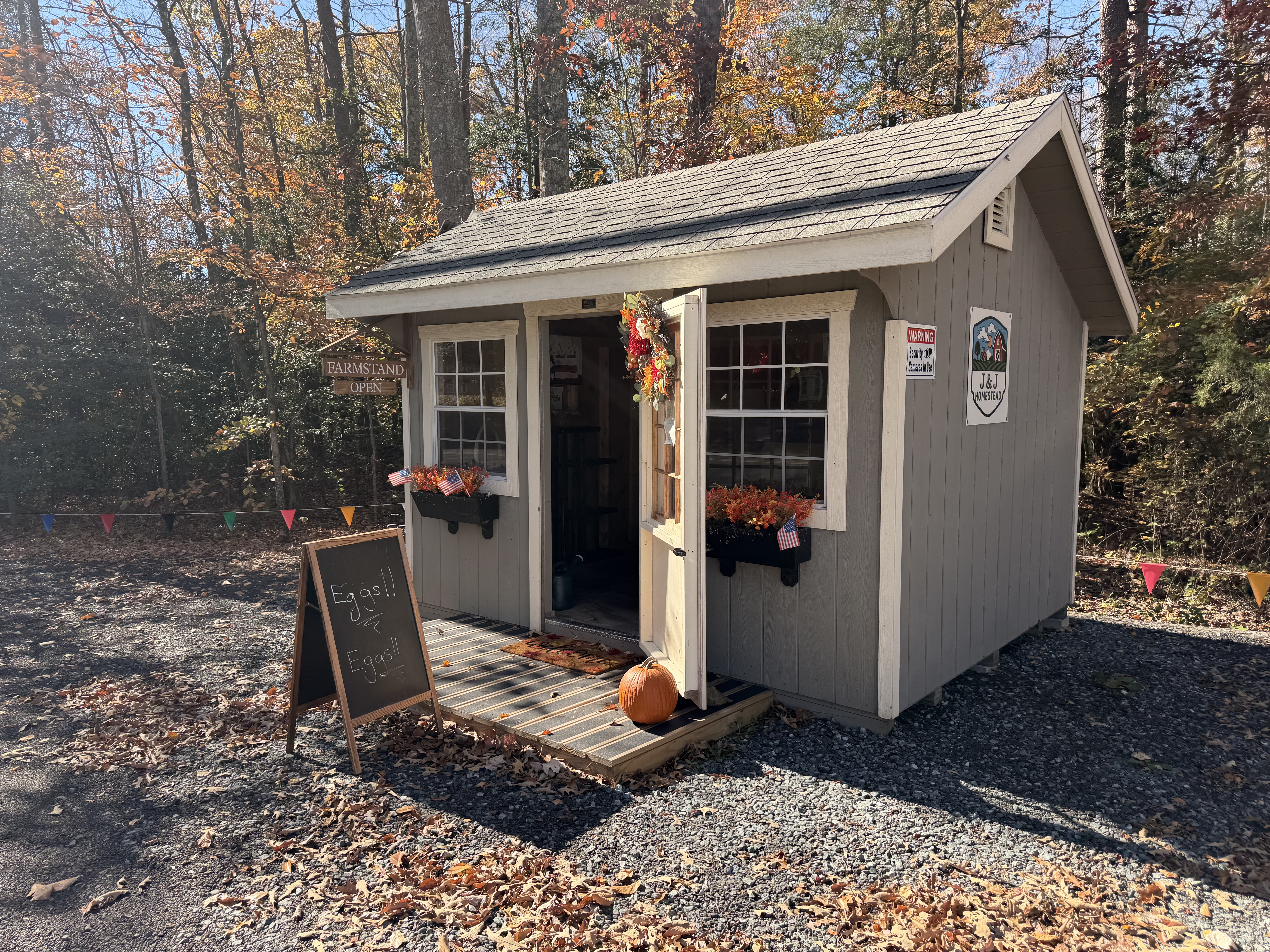
When the vegetable harvests begin to disappear and the temperatures start dropping, does a small farmstand have to close for the season? We’re hoping to prove that it doesn’t!
When we first opened the J & J Homestead farmstand in March, we had a pretty simple vision. We wanted to share the things we were already producing on our homestead: fresh eggs from our chickens, honey from our bees, and vegetables from our garden.
And then something unexpected happened.
Baking became one of the biggest parts of our little farmstand!
What started as a few homemade cookies and breads grew into an assortment of baked goods, new recipes, creative flavors, and plenty of lessons about what customers actually want to buy.
Now, as we head into our first winter operating the farmstand, we’re facing a brand-new challenge.
Can a small, seasonal farmstand survive the winter when the garden is no longer producing?
We certainly plan to find out!
The Challenge of Running a Farmstand in the Winter
One of the wonderful things about operating a small farmstand is that the seasons naturally determine what we have available.
During the spring and summer, our garden provides an assortment of fresh vegetables. We have zucchini, yellow squash, tomatoes, peppers, and whatever else happens to be growing that week.
But as anyone who gardens knows, those harvests don’t last forever.
Here in Virginia, November brings shorter days, colder temperatures, and the inevitable slowdown in garden production. While our greenhouse helps us extend the growing season, it can’t replace the abundance of a summer garden.
And that presents a challenge for a small farmstand.
Without baskets of fresh vegetables to attract customers, we need to give people another reason to stop by.
Fortunately, this first year has taught us something important: A successful farmstand doesn’t necessarily have to sell the same things all year long. It just needs to offer something people are excited to bring home.
That’s where our winter plans come in.
1. Holiday Baking: Turning Our Farmstand Into a Little Christmas Bake Shop
If there is one thing we’ve learned about our farmstand this year, it’s that people love homemade baked goods!
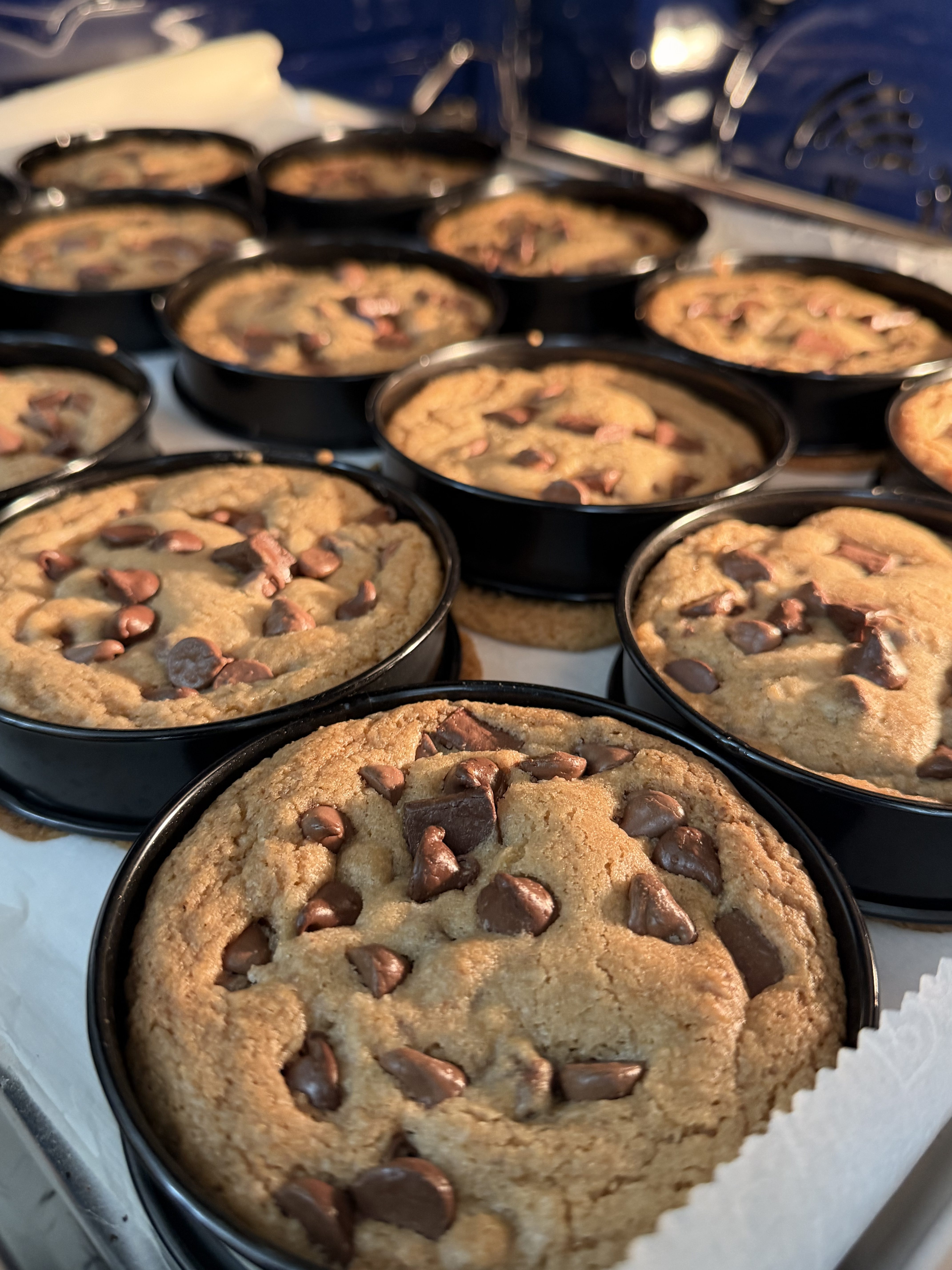
Our chocolate chip cookies, s’mores cookies, and apple fritter bread have been some of our most popular offerings.
And if there’s ever a time of year when people appreciate something freshly baked, it’s the holidays.
This winter, we’re planning to lean into that enthusiasm and give our farmstand a little Christmas bake shop personality.
We’re thinking about offering a rotating selection of seasonal treats, including:
- Classic Christmas sugar cookies
- Gingerbread cookies
- Snickerdoodles
- Peppermint-inspired cookies
- Hot chocolate cookies
- Cinnamon and spice breads
- Mini holiday loaves
- Festive cookie assortments
Of course, we’ll continue offering some of our year-round favorites, too.
After all, there’s no reason to stop making chocolate chip cookies just because it’s cold outside!
We’re also looking forward to experimenting with new holiday flavors. Some will undoubtedly be winners, and others might not sell quite as well as we hope.
And that’s okay.
One of the biggest lessons we’ve learned this year is that just because we love a creative recipe doesn’t mean our customers will love it, too.
Winter baking will be another opportunity to learn what works, what doesn’t, and which products deserve a permanent place in our farmstand.
2. Seasonal Treats That Change With the Calendar
Something else we’re excited about is making the farmstand feel a little different throughout the winter.
Rather than offering the exact same baked goods every weekend, we want to embrace the season and give customers something new to look forward to.
For example, November might feature apple, cinnamon, maple, and pumpkin-inspired treats.
December could bring Christmas cookies, gingerbread, chocolate peppermint flavors, and gift-worthy baked goods.
Then, once the holidays are behind us, we can transition into the comforting flavors of January and February.
Think oatmeal cookies, cinnamon breads, chocolate treats, and perhaps a few Valentine’s Day specials!
We love the idea of creating little themed weekends, almost like transforming the farmstand into a miniature seasonal bakery.
But we also know that it’s important not to get carried away.
Running a small farmstand means balancing creativity with the reality of how much time, money, and effort goes into producing everything.
For us, that means keeping a few tried-and-true favorites available while introducing a smaller number of seasonal specials.
It’s a balance we’re still learning!
3. Homemade Gift Baskets: A New Opportunity for the Holidays
This is one of the ideas I’m especially excited about.
Over the years, we’ve collected some beautiful vintage Longaberger baskets, and I’ve been thinking about how wonderful they could be as holiday gift baskets.
There’s something so special about receiving a gift filled with homemade, locally produced items.
Instead of another generic gift from a big-box store, imagine giving someone a beautiful basket filled with treats made right here on our homestead.
We’re considering combinations that might include:
- Freshly baked cookies
- Mini loaves of homemade bread
- J & J Homestead honey
- Holiday-themed treats
- Festive packaging and ribbons
Some baskets could be smaller, perfect for teachers, neighbors, coworkers, or hostess gifts.
Others could be larger assortments designed for families or holiday gatherings.
And because our farmstand is small, we have the flexibility to experiment with different combinations and see what customers enjoy.
We may even offer a limited number of baskets by preorder so we can better plan our baking and avoid making products that don’t sell.
Of course, we’ll need to account for the cost of the baskets, packaging, ingredients, and the time it takes to put everything together.
And any food we include will need to meet the appropriate cottage food labeling and storage requirements.
But I love the thought of turning the things we already make into something that feels extra special for the holiday season.
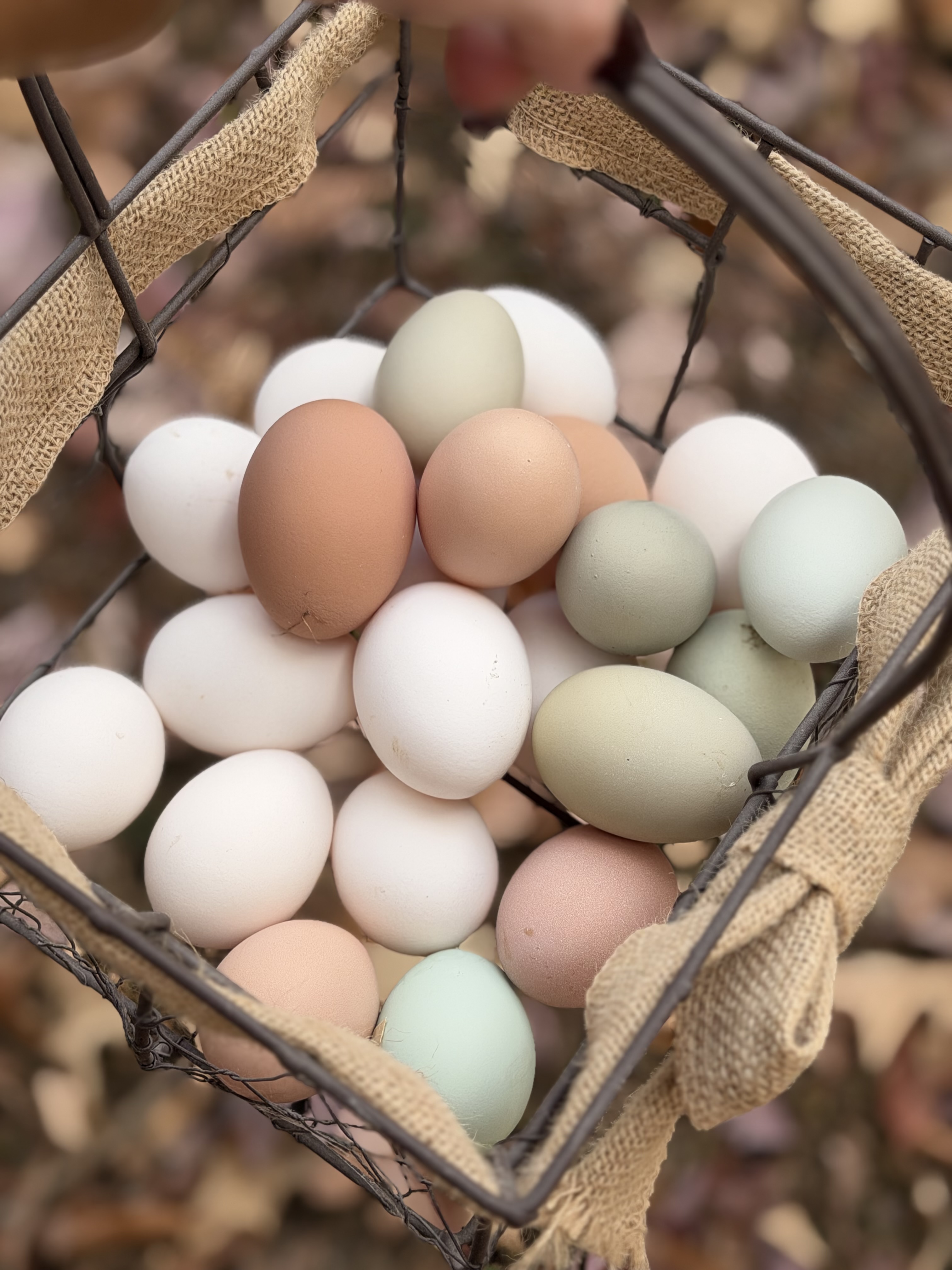
4. Fresh Eggs: Our Homestead Staples
While baking may take center stage this winter, we haven’t forgotten where this whole adventure began.
Our chickens are such an important part of J & J Homestead.
One of the things we’re especially thankful for this year is our younger flock of chickens.
Each spring, we enjoy adding new chicks to our homestead, and this year our Leghorns have been a wonderful example of why that practice can be so beneficial.
While our older hens are beginning to slow their egg production as the days get shorter, our younger hens are just getting started.
Our Leghorns, which hatched in May, have already begun laying, along with some of our Hamburgs and other young hens.
That means we’re hoping to continue offering fresh eggs throughout the winter, even if our daily production is lower than it is during the warmer months.
For us, eggs provide continuity while our baked goods bring seasonal variety.
That may be exactly what our little farmstand needs to keep going.
5. Making the Farmstand Feel Warm and Inviting, Even When It’s Cold Outside
There’s another part of our winter farmstand plans that has nothing to do with what we’re selling.
It’s about the experience.
During the summer, fresh produce practically advertises itself. Beautiful tomatoes, colorful peppers, and freshly harvested vegetables naturally catch people’s attention.
Winter is different.
We want the farmstand to feel welcoming, festive, and worth visiting, even when the weather isn’t particularly inviting.
We’re thinking about holiday decorations, seasonal signage, and displays that highlight our freshly baked treats and gift options.
I would love for someone driving by to think, “Oh, I wonder what they have in there this weekend!”
Of course, since our farmstand is self-serve, we’ll also need to be mindful of freezing temperatures and how they affect the products we put outside.
Not everything can safely or practically sit in an unheated farmstand during the winter.
We’ll be watching the weather carefully, adjusting what we offer, and making sure our products are stored appropriately.
We may need to shorten our operating hours or limit certain items during particularly cold weekends.
And we’re okay with that.
One of the advantages of operating a small business from our homestead is having the flexibility to adapt.
6. Learning to Bake Smarter, Not Just More
This may actually be our most important winter lesson.
When we first opened the farmstand, I assumed that having plenty of products available would be one of the keys to success.
And while having a good selection certainly matters, we’ve also learned that more inventory doesn’t automatically mean more sales.
There have been weekends when products sold out quickly.
And there have been weekends when we were left with far more baked goods than we anticipated.
It’s a tough lesson, especially when you consider the cost of ingredients, packaging, electricity, and all the hours spent baking.
As we head into winter, we want to become more intentional about what we’re producing.
That means paying closer attention to which products consistently sell, experimenting with smaller batches of new flavors, and considering preorders for larger holiday assortments.
We’re also interested in finding ways to make the most of our baking time.
After all, we’re balancing this little business with full-time jobs, caring for our animals, maintaining the homestead, and everything else that comes with everyday life.
The goal isn’t necessarily to make more products.
The goal is to make the right products, in the right quantities, for the customers who want them.
And if winter helps us become better at that, it will be a valuable season regardless of how much we sell.
7. Staying Connected With Our Customers Through the Winter
One of the biggest challenges for any seasonal farmstand is staying on people’s minds when they aren’t necessarily looking for fresh vegetables.
That’s why we want to continue sharing what’s happening at J & J Homestead through our website, social media, and weekly updates.
We’ll be showing off our seasonal baking experiments, announcing holiday offerings, sharing what will be available in the farmstand, and giving customers a little glimpse into winter life on the homestead.
We also want to hear from our customers.
What holiday cookies would they love to see?
Would they be interested in homemade gift baskets?
Are there certain baked goods they would enjoy purchasing throughout the winter?
We’re discovering that customer feedback is one of the most valuable resources a small business can have.
And sometimes, the best product ideas come from simply listening to the people who support you.
So, Can a Small Farmstand Really Survive the Winter?
We don’t know yet!
And I think that’s part of what makes this adventure so interesting.
This is our first winter operating the J & J Homestead farmstand, and we’re still learning what it takes to keep a small, seasonal business going throughout the year.
We know that winter won’t look like summer.
There won’t be overflowing baskets of zucchini and squash, and we won’t have the same variety of freshly harvested vegetables to offer.
But there will be homemade cookies, festive breads, jars of honey, fresh eggs when our hens cooperate, and hopefully some beautiful holiday gift baskets.
More importantly, there will be opportunities to experiment, learn, and grow.
Maybe our holiday baking will be a tremendous success.
Maybe we’ll discover that certain winter weekends just aren’t worth opening.
Or maybe we’ll find that winter gives us the opportunity to build an entirely new side of our little business.
Whatever happens, we’ll be sharing the experience along the way.
Because that’s what J & J Homestead has always been about.
Not having all the answers.
Not pretending that everything we try is going to work.
But being willing to learn, make mistakes, adapt, and keep growing.
A small farmstand doesn’t have to look the same in December as it does in July. And maybe that’s the secret to keeping it going.
Here’s to our first winter season at J & J Homestead, and all the lessons that are still ahead!
Thank you for being part of our adventure!
Leave a Reply