
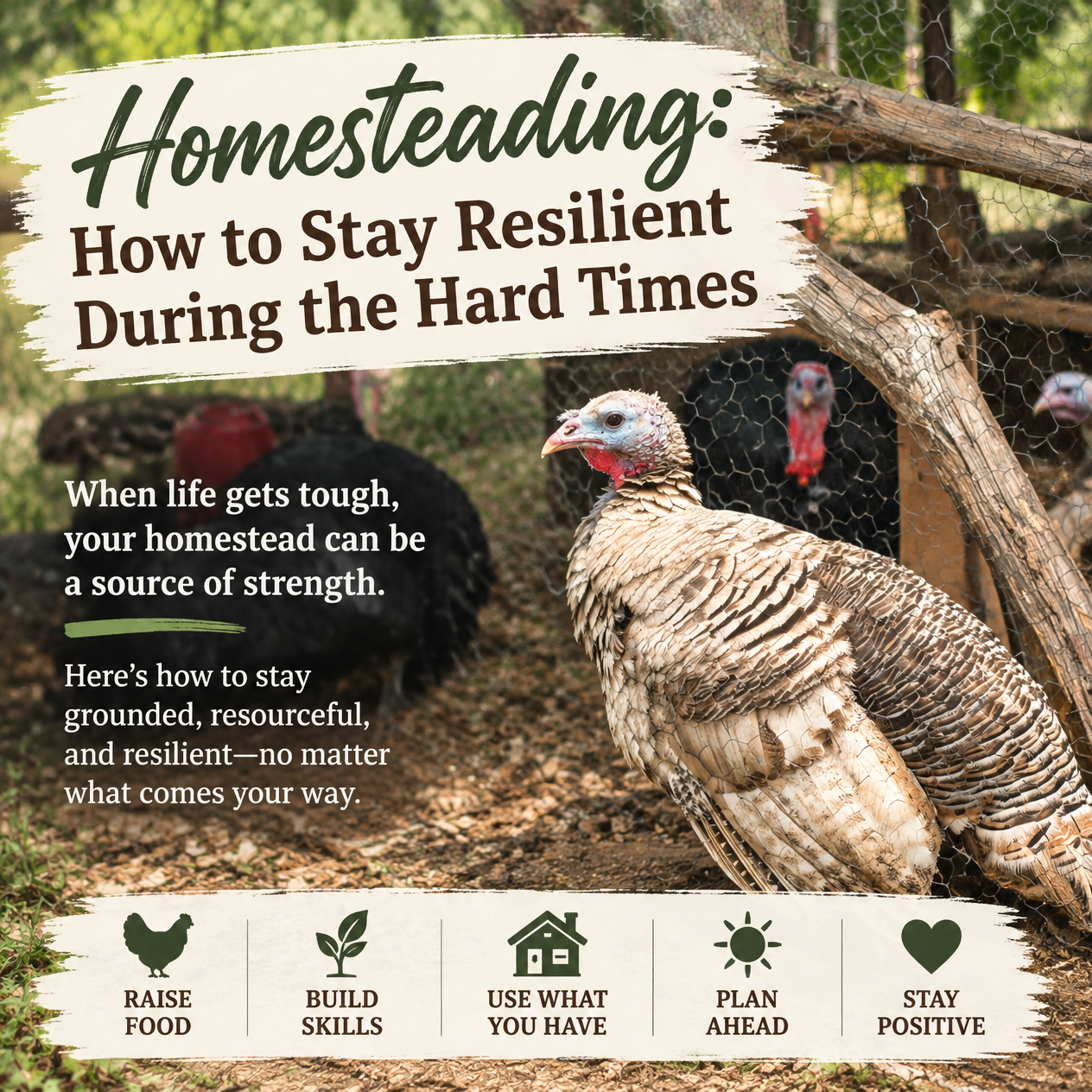
How do you stay resilient in hard times?
There is something incredibly rewarding about homesteading. Watching your garden grow, collecting fresh eggs each morning, harvesting honey from your own bees, and sharing the fruits of your labor with others. These are the moments that make all the early mornings, long days, and hard work worthwhile.
But there’s another side of homesteading that we don’t always talk about.
The hard days.
The days when predators find a way into your chicken run. When the garden you’ve spent months nurturing is damaged by a storm. When a chicken you’ve raised and cared for suddenly becomes sick. When the bees don’t survive, the equipment breaks, or the farmstand doesn’t have a single customer.
Those days can be heartbreaking, frustrating, and downright exhausting.
Here at J & J Homestead, we’ve experienced our share of setbacks. And if there’s one thing that homesteading has taught us, it’s that resilience isn’t about never having a bad day. It’s about learning how to move forward when those days inevitably happen.
So today, let’s talk about something that every homesteader needs, but that you won’t find on a shelf at your local farm supply store.
Resilience.
1. Accept That Things Will Go Wrong (Because They Will!)
One of the biggest lessons we’ve learned on our homesteading journey is that no matter how carefully you plan, things won’t always go the way you expect.
You can build the strongest chicken run, only to discover that a determined predator has found a weakness.
You can spend weeks planning and planting your garden, only to have extreme heat, insects, or a sudden storm undo your hard work.
You can invest time and money into raising animals, only to experience an unexpected loss.
And you can spend hours baking delicious treats for your farmstand, only to discover that the cookies you were absolutely certain would be a hit aren’t nearly as popular as you imagined.
We’ve experienced every one of these challenges in some form.
And while it’s tempting to view these moments as failures, they aren’t necessarily failures at all.
They’re part of the learning process.
Homesteading doesn’t reward perfection. It rewards persistence, adaptability, and a willingness to learn.
The sooner we accept that setbacks are inevitable, the easier it becomes to approach them as problems to solve rather than reasons to give up.
2. Remember Why You Started Homesteading
When things become overwhelming, it’s easy to lose sight of why you started this journey in the first place.
Maybe you wanted to grow your own food.
Maybe you dreamed of becoming more self-sufficient.
Perhaps you wanted to raise animals, create a simpler lifestyle, or build something meaningful for your family.
For us, homesteading has always been about learning, growing, and sharing that journey with others.
It started with the desire to create something of our own. Over time, it has grown into a homestead filled with chickens, turkeys, bees, gardens, a greenhouse, and even a little farmstand.
But none of that happened overnight.
And none of it happened without challenges.
On particularly difficult days, I find it helpful to remember the excitement of those early milestones. Our first eggs. Our first successful garden harvest. Our first honey harvest. And the day we finally opened our farmstand.
Those memories remind us that even when things seem difficult, we’ve already accomplished so much.
Sometimes resilience begins with remembering why the journey matters to you.
3. Focus on What You Can Control
One of the hardest parts of homesteading is recognizing just how much is outside our control.
We cannot control the weather.
We cannot prevent every illness.
We cannot guarantee that every seed will germinate, every chick will thrive, or every customer will stop by the farmstand.
And we certainly cannot predict every challenge that comes our way.
But we can control how we prepare and respond.
When we experienced predator problems, we reinforced our poultry runs and reevaluated our security measures.
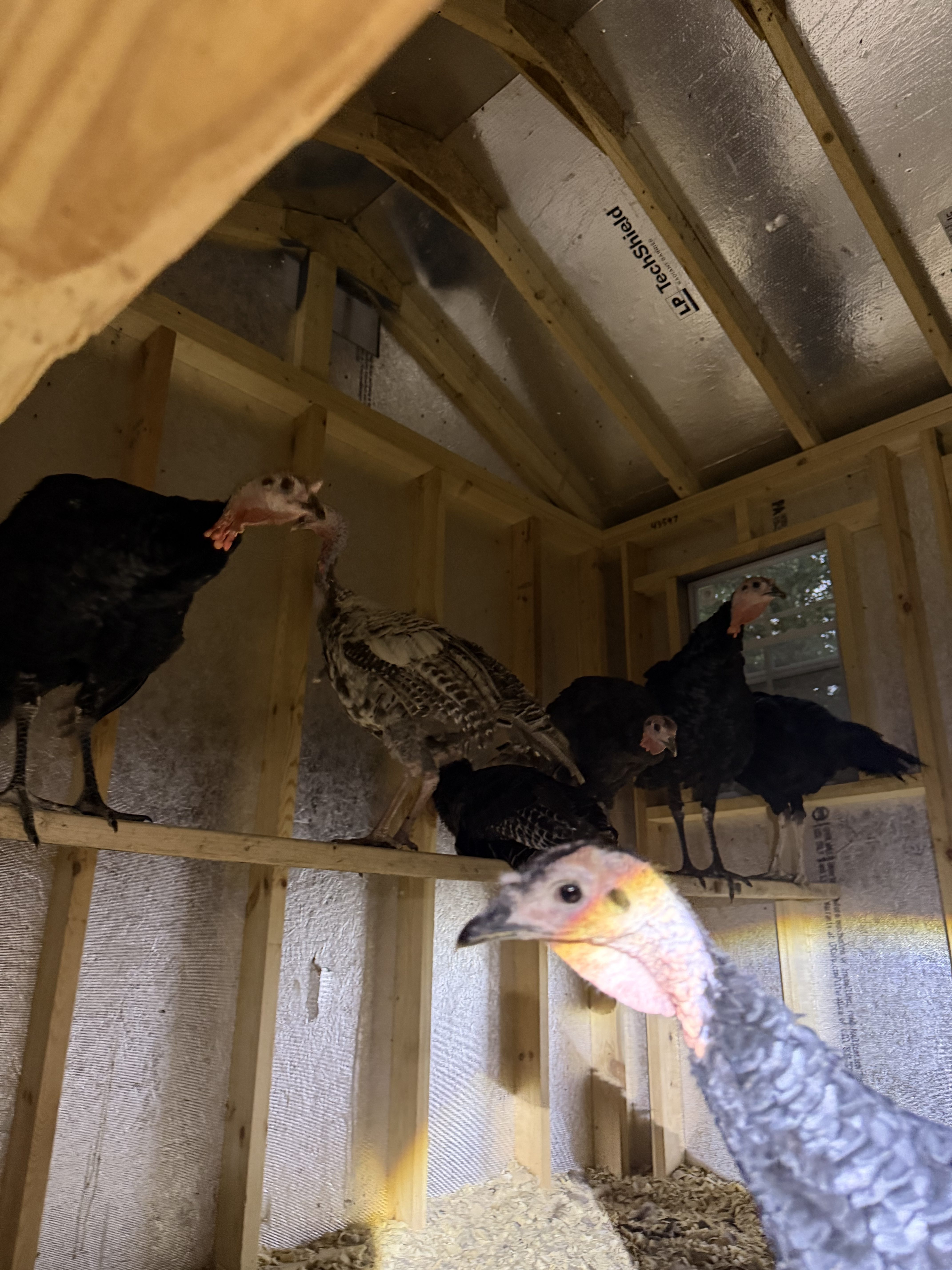
When summer temperatures became dangerously hot, we adjusted our routines to help keep our chickens and turkeys comfortable.
When our oven failed, it disrupted our farmstand baking plans. We couldn’t magically fix the situation overnight, but we could make adjustments and work toward reopening.
These experiences taught us something important.
You may not be able to control what happens on your homestead, but you can control the steps you take afterward.
Instead of asking, “Why does this keep happening to me?” try asking, “What can I do differently next time?”
That simple change in perspective can make a tremendous difference.
4. Give Yourself Permission to Slow Down
This might be one of the most difficult lessons for homesteaders to learn.
There is always something that needs to be done.
Always.
The chickens need feeding. The waterers need cleaning. The garden needs weeding. The greenhouse needs attention. The bees need checking. And if you’re running a small business alongside your homestead, there’s an entirely separate list of responsibilities waiting for you.
Add a full-time job to the mix, and it can sometimes feel like there simply aren’t enough hours in the day.
Sound familiar?
It’s incredibly easy to fall into the trap of believing that every waking moment must be productive.
But here’s something I’ve had to remind myself:
Rest is not the opposite of productivity. Rest is what allows us to keep going.
There have been weekends when we’ve had to adjust our farmstand schedule, change our plans, or simply take a break.
And that’s okay.
Your garden doesn’t need to be perfect.
You don’t need to expand your homestead every year.
You don’t need to turn every hobby into a business.
And you certainly don’t need to compare your progress to someone else’s perfectly curated social media account.
Sometimes the most productive thing you can do is sit down with a cup of coffee, look out over everything you’ve built, and appreciate how far you’ve come.
The chores will still be there tomorrow.
5. Learn From Your Mistakes, But Don’t Dwell on Them
If you’ve been homesteading for any length of time, you probably have a collection of stories that begin with:
“Well, that didn’t go quite as planned!”
We certainly do.
We’ve learned lessons about animal care, predator protection, gardening, beekeeping, baking, and running a small farmstand.
Some of those lessons were inexpensive.
Others were considerably more costly.
And a few were heartbreaking.
The important thing is what we do with that experience.
When something goes wrong, I try to ask three questions:
- What happened? Take an honest look at the situation without immediately assigning blame.
- What can we learn? Identify whether better preparation, equipment, timing, or management might help.
- What should we change? Turn that lesson into a practical improvement.
Sometimes there is a clear answer.
Other times, despite doing everything right, the outcome simply isn’t what we hoped for.
And that is an important distinction.
Not every loss is the result of a mistake.
Animals can become ill despite excellent care. Weather can destroy a healthy garden. A strong colony of bees can struggle despite our best efforts.
Learning from an experience is valuable.
Blaming yourself for every disappointing outcome isn’t.
6. Celebrate the Small Victories
I think one of the biggest mistakes we make as homesteaders is measuring success only by the big accomplishments.
A successful harvest.
A profitable farmstand weekend.
A new chicken coop.
An expanded garden.
Those milestones are wonderful, but they don’t tell the whole story.
Sometimes success is much smaller.
It’s discovering that one of your young hens has laid her very first egg.
It’s seeing a plant recover after weeks of struggling.
It’s finally figuring out a baking technique that has intimidated you for years.
It’s finding a wonderful new home for an animal that needs one.
Or simply making it through a difficult week with everyone fed, watered, and cared for.
Those moments matter.
In fact, they may matter more than we realize.
When you’re going through a particularly challenging season, make an effort to recognize one small accomplishment each day.
It doesn’t have to be impressive.
It just has to remind you that progress is still happening, even when it feels slow.
A resilient homestead is built through hundreds of small victories, not just a handful of big ones.
7. Build a Community You Can Lean On
Homesteading often encourages independence and self-sufficiency, but that doesn’t mean we have to do everything alone.
In fact, some of the most valuable resources we have are other people.
Experienced gardeners who can help identify a problem.
Fellow chicken keepers who have dealt with similar illnesses or predator challenges.
Beekeepers who understand the disappointment of losing a colony.
And other small business owners who understand how frustrating it can be to pour your heart into something and not see the results you expected.
One of the reasons we love sharing our experiences through J & J Homestead is that we believe there is tremendous value in learning together.
We don’t have all the answers.
Not even close!
But we’re always willing to share what has worked, what hasn’t, and what we’re still figuring out.
And sometimes, hearing someone else say, “We’ve been through that too,” is exactly the encouragement you need.
Self-sufficiency doesn’t have to mean isolation.
Build connections, ask questions, share experiences, and remember that there’s an entire community of people navigating the same challenges.
8. Know the Difference Between Perseverance and Pushing Too Hard
There is a fine line between being resilient and refusing to recognize when something needs to change.
And I think this is especially important for people who are naturally hardworking and determined.
Sometimes we become so focused on making something succeed that we forget to ask whether our approach is still working.
Maybe the garden has become too large to manage comfortably.
Maybe you’ve taken on more animals than your schedule can reasonably support.
Maybe your farmstand product selection needs to be simplified.
Or perhaps you’re trying to juggle too many responsibilities at once.
Resilience doesn’t always mean doing more.
Sometimes it means doing less, but doing it better.
We’ve learned this through our farmstand.
Just because we can bake a dozen different varieties of cookies doesn’t mean we should. Sometimes a smaller selection of dependable favorites makes better business sense than trying to offer everything imaginable.
It’s not about giving up on creativity or ambition.
It’s about finding a balance that allows the homestead, the business, and the people behind them to thrive.
There’s no shame in changing direction when circumstances call for it. That’s not failure. That’s growth.
9. Prepare for Hard Times Before They Arrive
One of the most practical ways to build homesteading resilience is through preparation.
We can’t eliminate every risk, but we can reduce the impact of many common challenges.
For us, that means thinking ahead.
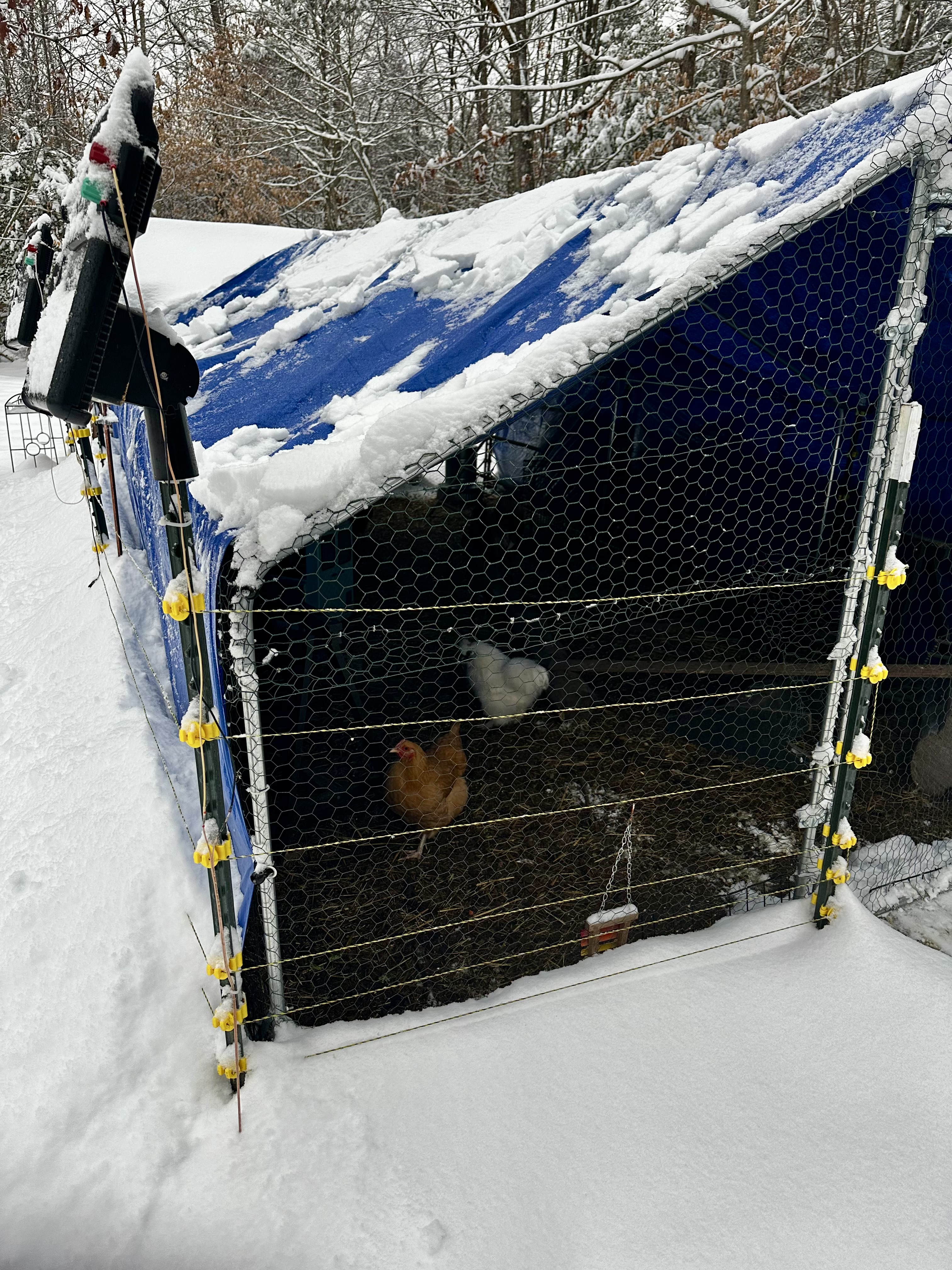
Before winter arrives, we inspect the coops, address ventilation concerns, check our water systems, and prepare to keep our animals comfortable through freezing temperatures.
Before summer, we evaluate shade, airflow, and water availability.
Before planting season, we review what worked in the garden the previous year and what we might do differently.
And throughout the year, we try to maintain essential supplies and equipment so we’re not scrambling when something unexpected happens.
A few practical ways to prepare your homestead include:
- Keeping an emergency supply of appropriate animal feed and essential first-aid materials.
- Inspecting fences, coops, and predator-proofing regularly.
- Maintaining backup plans for water, electricity, and extreme weather.
- Building a small financial cushion for unexpected repairs or veterinary expenses.
- Keeping records of planting dates, animal health concerns, expenses, and lessons learned.
- Having contact information readily available for veterinarians, experienced homesteaders, and local agricultural resources.
Preparation won’t guarantee that everything goes smoothly.
But it can help turn a potential crisis into a situation you’re better equipped to manage.
And that brings a tremendous amount of peace of mind.
10. Remember That Homesteading Is a Journey, Not a Destination
I think this may be the most important lesson of all.
There is no finish line in homesteading.
There is no magical moment when you’ve learned everything, mastered every skill, and finally have everything running perfectly.
There will always be something new to learn.
A new challenge to overcome.
A different technique to try.
Another season that surprises you.
And that’s part of what makes this lifestyle so rewarding.
When we first started J & J Homestead, we couldn’t have imagined all the directions this journey would take us.
We’ve celebrated wonderful successes.
We’ve experienced disappointing setbacks.
We’ve laughed, worried, learned, and occasionally wondered what on earth we were thinking!
But through all of it, we’ve continued moving forward.
Not because we’re especially good at avoiding problems.
But because we’ve learned that the challenges are just as much a part of homesteading as the rewards.
And perhaps that’s the greatest lesson homesteading teaches us.
Final Thoughts: Resilience Is Something We Grow
When I think about resilience on the homestead, I don’t picture someone who never gets discouraged, never makes mistakes, or never experiences loss.
I picture someone standing in the garden after a difficult growing season, already thinking about what they’ll plant next year.
Someone rebuilding a chicken run after losing a beloved bird.
Someone trying a new recipe after the first attempt didn’t turn out quite right.
Someone opening the farmstand again after a disappointing weekend, hopeful that the next one will be better.
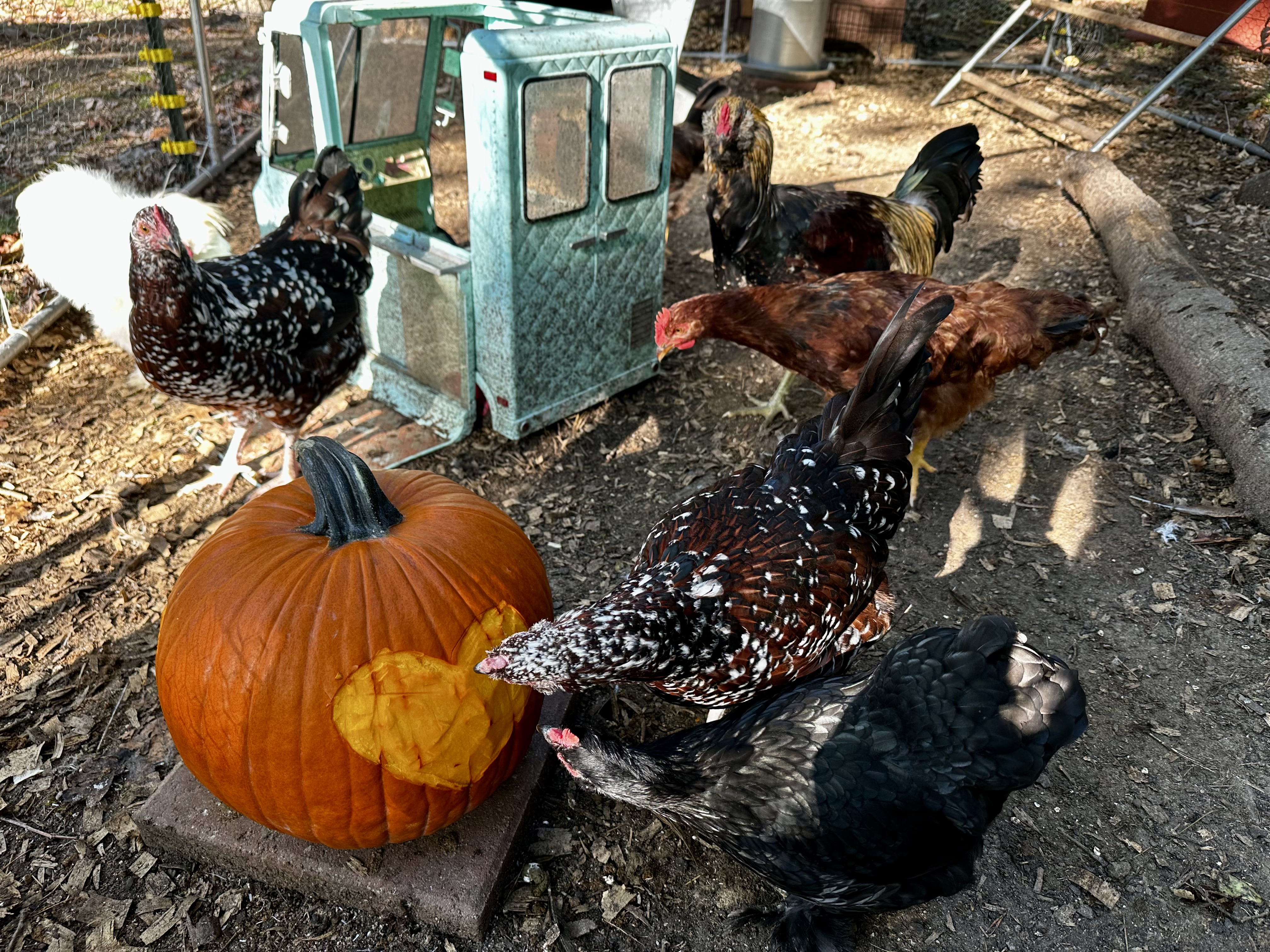
And someone who, after a particularly exhausting day, can still find joy in a freshly laid egg, a beautiful sunset, or the sound of happy chickens settling in for the evening.
That’s resilience.
It’s not about pretending the hard days aren’t hard.
It’s about allowing ourselves to feel the disappointment, learning what we can, adjusting when necessary, and finding the courage to try again.
Because the truth is, the most valuable thing we grow on our homestead might not be the vegetables in our garden or the food we produce.
It might be the resilience we develop along the way.
So if you’re going through a difficult season on your own homestead, remember this:
You don’t have to have everything figured out.
You don’t have to do everything perfectly.
And you certainly don’t have to accomplish everything today.
Just keep learning, keep growing, and take things one day at a time.
And if today happens to be one of those particularly hard days?
Sometimes a good cup of coffee, a little perspective, and a fresh start tomorrow are exactly what we need.


Leave a Reply