
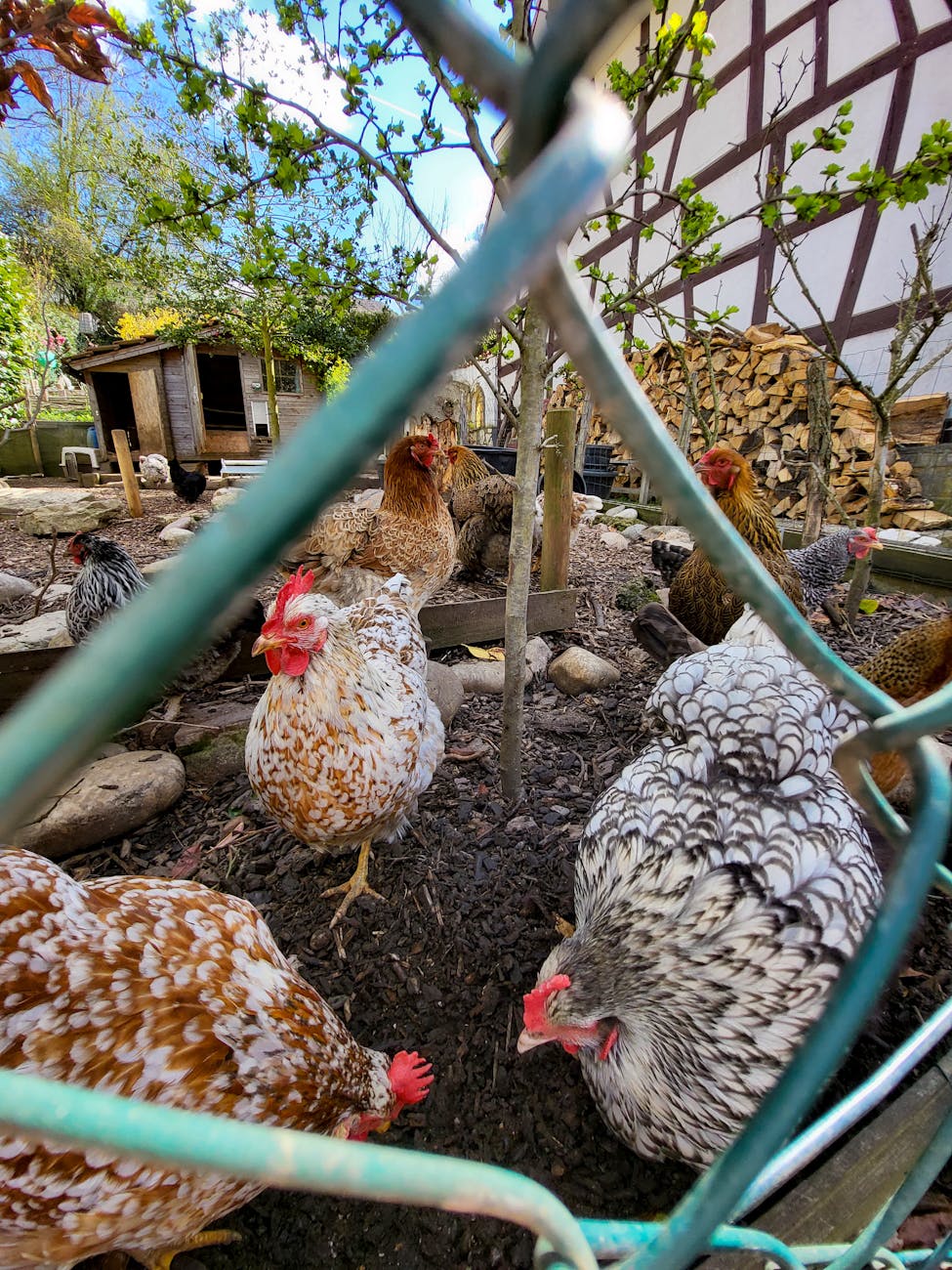
If there is one thing that homesteading in Virginia teaches you quickly, it is that the weather can change dramatically overnight. For the past several days, our homestead has been stuck in an intense 95+ degree heatwave that has tested both us and our animals. Thankfully, today appears to be the last day of it. Tomorrow, the forecast is finally calling for rain and nearly a 20-degree drop in temperatures. After this week, that cooler weather cannot come soon enough.
This heatwave has been exhausting for everyone on the homestead. From the chickens and turkeys to the garden and even us, it has felt like a nonstop battle against the sun. Every day has required constant monitoring, extra chores, and creative ways to help the animals stay cool and hydrated.
One of the biggest priorities during extreme heat is making sure livestock always have access to cool, clean water. Throughout this heatwave, we have worked tirelessly to keep waterers full and shaded. To help even more, I started making electrolyte ice cubes that Jason has been adding to the animals’ water daily. Not only do the ice cubes help cool the water down, but the added electrolytes help support hydration and recovery during periods of extreme heat stress.
We have also been giving the chickens and turkeys frozen peas as a cool afternoon treat. Frozen treats are one of my favorite tricks during summer weather because they encourage the flock to eat and move around while also helping lower body temperature. Plus, the birds absolutely love them.
Yesterday afternoon, temperatures climbed above 97 degrees here on the homestead. At that point, everyone received a quick misting to help cool them down. Chickens and turkeys can struggle tremendously in extreme heat because they cannot sweat like humans do. Instead, they rely on panting, shade, airflow, and cool water to regulate their body temperature. During heatwaves like this, even small cooling measures can make a huge difference.
Unfortunately, despite all of our efforts, we still experienced a heartbreaking loss yesterday morning when one of our Cornish Cross chickens passed away. While I can only speculate, Cornish Cross chickens already carry an immense amount of stress on their little bodies because of how rapidly they grow. Their hearts and legs work incredibly hard to keep up with that growth rate. Adding extreme heat into the equation only increases the strain on their health.
Losing animals is one of the hardest parts of homesteading, especially when you are doing everything possible to care for them well. Heatwaves can become dangerous very quickly, particularly for larger meat birds like Cornish Cross chickens. It serves as a reminder that even with preparation, nature can still be incredibly unforgiving.
Today, we are continuing every cooling trick we can think of. The electrolyte ice cubes are still going into the waterers. The frozen peas are ready for afternoon snacks. Shade remains a top priority, and we are watching everyone closely for signs of heat stress. In the meantime, we are also trying to keep the garden alive through the final stretch of this heatwave. The plants have needed constant watering just to survive these temperatures, and honestly, we are all counting down the hours until the rain finally arrives.
As difficult as this week has been, it also reminds me how resilient homesteading can make you. You learn to adapt quickly, pay close attention to your animals, and appreciate the small victories — like seeing rain clouds finally appear in the forecast.
And honestly, only in Virginia can you go from a brutal 97-degree heatwave one day to rain and temperatures 20 degrees cooler the next. Virginia weather truly keeps homesteaders on their toes.
Tips for Helping Chickens and Turkeys During a Heatwave
While we are certainly ready for cooler weather, this week reinforced several important heatwave strategies that can help backyard chicken keepers and homesteaders protect their flocks:
- Provide constant access to cool, clean water
- Add electrolytes during periods of extreme heat stress
- Use frozen treats like peas, watermelon, or berries
- Ensure plenty of shade and airflow in runs and coops
- Mist birds lightly during extreme temperatures
- Avoid handling or stressing birds during the hottest part of the day
- Monitor Cornish Cross chickens especially closely during heatwaves
Heatwaves are part of summer homesteading, especially here in Virginia, but preparation and close observation can make all the difference. Today, we are simply focused on getting through these last few hot hours and welcoming the rain when it finally arrives.


Leave a Reply