
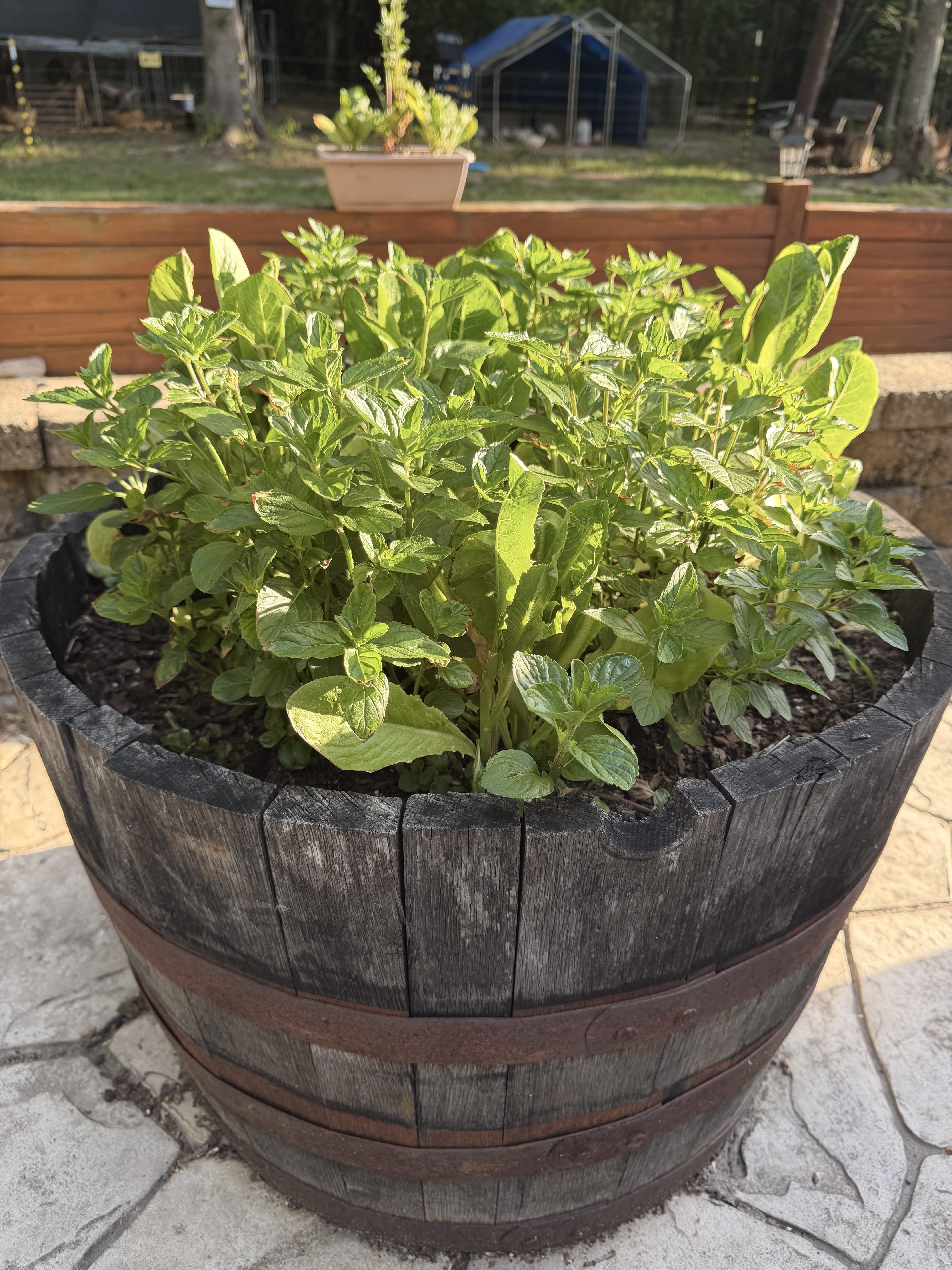
Have you spent any time scrolling through social media lately? If you’re anything like me, you’ve probably seen countless advertisements for gorgeous raised garden beds, elaborate gardening systems, and perfectly curated backyard gardens. They are beautiful, and there’s certainly nothing wrong with investing in quality garden beds if your budget allows.
But here’s something I think is important to remember: you don’t need expensive raised beds to grow an amazing garden.
In fact, one of my favorite things about homesteading is discovering just how creative people can be. Some of the best gardens I’ve ever seen weren’t built with expensive kits—they were built with imagination.
The truth is that anything can become a container garden.
Container Gardening Is for Everyone
One of the biggest misconceptions about gardening is that you need a large yard, expensive equipment, or hundreds of dollars invested before you can grow your own food.
That’s simply not true.
Whether you have five acres, a suburban backyard, a tiny patio, or an apartment balcony, container gardening makes fresh vegetables accessible to nearly everyone.
It’s also one of the easiest ways to get started if you’re new to gardening. Containers are easier to manage, require less weeding, and allow you to grow exactly what you want without dedicating an entire garden plot.
Look Around Before You Buy
Before heading to the garden center, take a walk around your property.
You might be surprised by what you already own that could become a productive planter.
Here at J & J Homestead, we’ve repurposed all kinds of containers over the years. Old whiskey barrels have become some of our favorite planters. By cutting them in half, we’ve created beautiful rustic containers that are perfect for mint (to literally keep it contained!), basil, tomatoes, and peppers.
We’ve also given old flower boxes a second life. Instead of filling them with decorative bulbs, we’ve planted lettuce, spinach, arugula, and other leafy greens. They’re shallow enough for these crops and make harvesting incredibly convenient.

Those containers that once held flowers now help feed our family—and our chickens and turkeys.
That’s one of the things I love most about homesteading: seeing everyday objects in a completely different way.
Creativity Is the Secret Ingredient
The real secret to successful container gardening isn’t buying the fanciest planter.
It’s creativity. If a container can safely hold soil, drain excess water, and provide enough room for roots to grow, it can probably become part of your garden.
Think beyond traditional pots.
Large buckets can grow peppers and tomatoes.
Livestock feed tubs can become miniature raised beds.
Stock tanks can produce an entire salad garden.

Old galvanized tubs make beautiful herb gardens.
Wooden crates can be lined and planted.
Laundry baskets can be used to grow crops of potatoes.
Even sturdy storage totes can be transformed into productive growing spaces with a few drainage holes.
The possibilities are nearly endless.
Drainage Matters More Than Appearance
There’s one thing every successful container has in common.
Drainage.
Plants don’t care whether they’re growing in an expensive cedar planter or a repurposed bucket. What they do care about is healthy roots. Without drainage holes, excess water collects around the roots and can quickly lead to root rot and unhealthy plants. A few holes drilled into the bottom of almost any container can completely transform it into a productive garden. Adding a layer of small rocks isn’t a substitute for drainage holes—it simply reduces the amount of soil available. Proper drainage is always the better solution.
Match the Container to the Plant
While creativity opens up endless possibilities, it’s still important to choose containers that fit your crops.
Leafy greens have relatively shallow roots and thrive in window boxes and smaller containers. Herbs also perform wonderfully in compact pots. Tomatoes, peppers, squash, cucumbers, and other larger vegetables appreciate deeper containers that provide plenty of room for root development.
Container Gardens Save More Than Money
Repurposing containers isn’t just budget-friendly
It’s also environmentally friendly. Every old barrel, flower box, bucket, or tub that’s given new life in the garden is one less item headed to the landfill. Container gardening allows us to reuse materials while producing fresh food for our families.
That’s a win-win in my book.
Don’t Let Your Budget Stop You
One of the greatest joys of gardening is watching something grow from a tiny seed into food you can harvest with your own hands.
That experience shouldn’t be limited by the cost of fancy raised beds.
Start with what you have. Borrow ideas from others. Visit yard sales. Check local online marketplaces.
Some of the most productive gardens begin with items that cost little—or nothing at all.
Start Small and Grow Over Time
If you’re just getting started, don’t feel pressured to build your dream garden all at once.
Plant a few herbs in a repurposed flower box. Grow tomatoes in an old whiskey barrel. Fill a livestock tub with peppers. See what works, learn as you go, and expand each season.
Before long, you’ll have a collection of unique containers, each with its own story and purpose. And chances are, your garden will be just as productive as one filled with expensive raised beds.
Because at the end of the day, plants don’t care what they’re growing in. They just need healthy soil, sunshine, water, and someone willing to give them a chance.
Sometimes, the best container garden isn’t the one you buy—it’s the one you create.

Leave a Reply